Planting
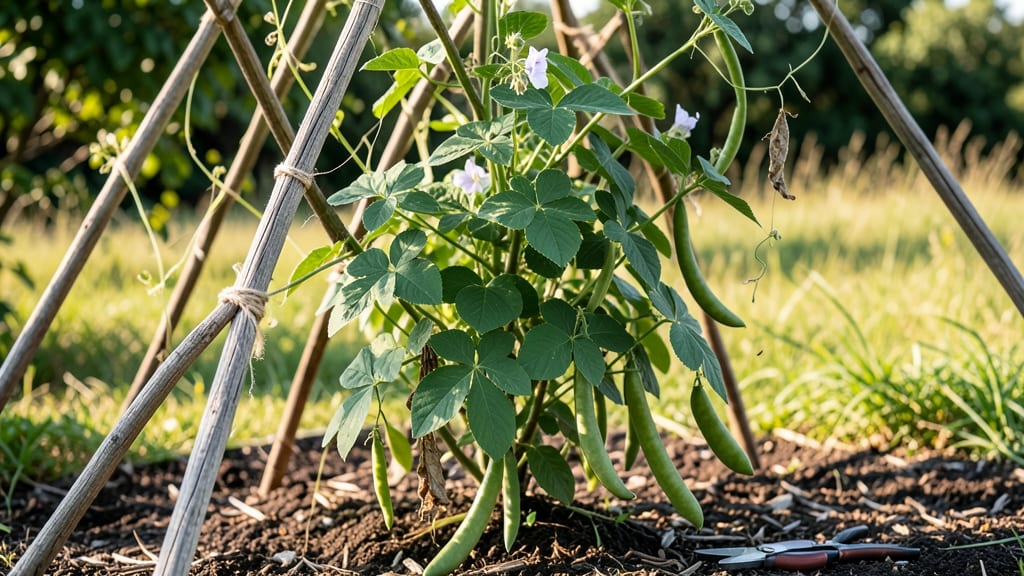
A sturdy bean plant support is the secret weapon for climbing beans—without it, they sprawl, struggle, and produce far less than they could. 🌱 I learned this the hard way when my pole beans flopped across the garden like tangled vines. yielding tiny pods instead of the bushels I’d hoped for.
The secret isn’t just any trellis—it’s choosing the right type, installing it early, and training the vines correctly to maximize airflow and sunlight.
For pole beans, sturdy trellises made from bamboo stakes, metal cages, or even repurposed wire fencing work best—just make sure they’re at least 5 feet tall and spaced 18 inches apart.
Bush beans, on the other hand, don’t need vertical support, but a low cage or hoop helps keep them upright and off the ground. The key is installing supports before planting; beans grow fast, and retrofitting support later often leads to broken stems or tangled messes.
With the right setup, you’ll end up with clean, upward-growing vines that produce heavier, straighter pods—and far fewer pests hiding in the foliage. Proper airflow also reduces disease risk, so your harvest stays healthy from first bloom to last pod.
The payoff? A garden corner that looks intentional, not chaotic, while yielding 2-3 times more beans than unsupported plants.
Whether you’re working with a small container or a full garden bed, these supports adapt easily—just adjust the height and spacing to fit your space. And if you’re feeling ambitious, DIY trellises from scrap wood or chicken wire can cut costs without sacrificing strength.
Let’s get those beans climbing the right way!
📚 In This Guide
- What you need
- Instructions
- Tips and common mistakes
- Wrapping up and next steps
What you need
- ● Trellis or Support Structure: Bamboo stakes (6–8 ft tall, ½–1 inch diameter) – 2–4 per plant
- ● PVC pipes (½–1 inch diameter, 6–8 ft long) – 1–2 per plant
- ● Wooden dowels (½ inch diameter, 6–8 ft long) – 1–2 per plant
- ● Metal or wooden A-frame trellis (4–6 ft tall) – 1 per 4–6 plants
- ● Fasteners & Connectors: Zip ties (plastic or fabric) – 10–20 per structure
- ● Twine or jute twine (3–4 mm thick) – 1–2 rolls
- ● Staple gun + staples (for fabric or mesh supports)
- ○ Optional Upgrades: Netting or mesh (for heavy climbers like pole beans) – 1 roll (10–15 ft wide)
- ● Galvanized wire (14–16 gauge) – for DIY cage-style supports
- ● Decorative lattice panels (for aesthetic garden appeal)
- ● Hammer or mallet (for driving stakes)
- ● Scissors or wire cutters (for trimming twine/wire)
- ● Measuring tape (for precise spacing)
- ● Drill (if attaching hardware to wood/PVC)
- ● Gloves (to protect hands from splinters or sharp edges)
- ● Sunny spot with 6+ hours of direct sunlight daily (climbing beans are sun-lovers!)
- ● Well-draining soil (amend with compost if needed)
- ● Space between supports: 12–18 inches apart for stakes, 3–4 ft for trellises
- ● Watering can or hose (beans need consistent moisture)
How to build a sturdy trellis for pole beans
Climbing beans grow faster, produce more, and stay disease-free when supported properly. Here’s how to create a trellis system that lasts all season.
🪴 Step 1: Choose the Right Trellis Materials
For 4 plants, I recommend bamboo stakes (5 feet tall) or galvanized metal T-posts—both are sturdy and won’t rust. Avoid flimsy plastic or untreated wood, which can warp under bean vines. If using bamboo, bundle 3 stakes together at the base for extra stability, tying them with twine at the top and midway.
For a freestanding trellis, use 2×4 lumber cut into 5-foot lengths and lash them together in a pyramid shape with zip ties or heavy-duty wire. Space supports 18 inches apart to prevent sagging. If growing in a container, use cage-style trellises or flexible wire mesh—just ensure the mesh has 1-inch squares so vines can grip easily.
✂️ Step 2: Install Supports at the Right Time
Set up your trellis 1-2 weeks before planting so the soil settles around stakes. Drive bamboo or T-posts into the ground 6 inches deep—this prevents toppling when vines get heavy. For wooden frames, bury the base 4-6 inches or anchor with concrete mix if wind is a concern.
If retrofitting a trellis later, gently weave young vines onto the structure as they grow. Avoid forcing them—let the beans climb naturally to prevent stem damage. Watch for first tendrils (thin, curly growths) and guide them onto the trellis within 24 hours of appearing.
🌱 Step 3: Train Vines as They Grow
Once beans reach 12 inches tall, start tying main stems to the trellis with soft twine or Velcro plant ties—never wire, which can cut into stems. Space ties every 12 inches to distribute weight evenly. I like to loop the twine gently around the vine and trellis, leaving room to tighten as the plant grows.
Let side branches climb freely—they’ll latch onto the trellis naturally. If vines get tangled, untwist them carefully to avoid breaking delicate stems. Prune overly aggressive side shoots to 6 inches long to encourage upward growth and better airflow, which reduces disease risk.
💧 Step 4: Maintain Stability Through the Season
After the first pods form, check trellises weekly for sagging or leaning. Reinforce with additional ties if needed, especially after rain—wet vines get heavier and can pull supports loose. If using wooden frames, tighten connections if the structure shifts.
Harvest regularly to prevent overloading. Overripe pods weigh vines down, stressing the trellis. Pick beans every 2-3 days when pods are firm and plump—this keeps the plant producing and the trellis stable. At season’s end, remove and compost old vines to reduce next year’s pest population.
☀️ Step 5: Winterize for Reuse
After harvest, clean trellises with a 10% vinegar solution to kill fungal spores. Store bamboo or wood in a dry place, and coat metal supports with a light WD-40 spray to prevent rust. If reusing container trellises, collapse them and store flat to save space.
Next season, rotate trellis locations in the garden to prevent soil-borne diseases from building up. I mark spots with stakes and string in early spring so I don’t forget—trust me, you’ll want to reuse these supports for years.
Tips & tricks for perfect bean plant support
These game-changing strategies will help you build a trellis that lasts the entire growing season—and keeps your climbing beans thriving.
Material Selection Matters: For container gardens, I've found that flexible wire mesh with 1-inch squares works best because it allows vines to grip naturally while providing maximum airflow. The key is avoiding rigid materials that can damage delicate stems. If using bamboo, soak the stakes in water for 24 hours before installation to prevent them from splitting when driven into the ground.
Timing is Everything: The 1-2 weeks before planting window is critical for soil stabilization. I've learned this the hard way—installing stakes too close to planting can cause them to shift when you water the seedlings. For retrofitting later, focus on guiding those first tendrils within 24 hours of appearance—they're most receptive to training at this stage.
Tying Technique: When tying main stems in Step 3, use a simple loop method with soft twine or Velcro ties spaced every 12 inches. The secret is to leave just enough slack so you can tighten as the plant grows—too tight now restricts circulation, too loose lets vines sag. I always test the knot by gently pulling downward; it should hold but still allow slight movement.
Season-Long Maintenance: After pods form, make it a habit to check trellises weekly for stability, especially after rain. I keep a small toolkit handy with extra twine and zip ties for quick reinforcements. The every 2-3 days harvest rule isn't just about yield—it's about preventing the weight of overripe pods from stressing your entire structure.
Pro Tips for Bean Plant Support
- These game-changing strategies will help you build a trellis that lasts the entire growing season—and keeps your climbing beans thriving.
- Material Selection Matters: For container gardens, I've found that flexible wire mesh with 1-inch squares works best because it allows vines to grip naturally while providing maximum airflow.
- Timing is Everything: The 1-2 weeks before planting window is critical for soil stabilization.
Frequently asked questions
Got questions about keeping your climbing beans happy and healthy?
Here are some of the most common concerns—and straightforward answers—to help you master bean plant support like a pro.
What’s the best time to install a trellis for bean plants?
Install your trellis before planting beans—ideally 2–3 weeks ahead. This gives you time to secure stakes or netting firmly and prevents disturbing roots later. For bush beans, skip the trellis, but for pole varieties (like Kentucky Wonder or Scarlet Runner), early support is key to avoid flopping vines.
Can I reuse last year’s trellis for my beans?
Trellises made of wood, bamboo, or metal can last years with minimal care. Just check for sturdiness—replace broken or warped pieces—and clean off debris to prevent pests. Avoid plastic netting if it’s brittle; opt for fresh supplies if it’s frayed.
My bean vines are wilting near the trellis—what’s wrong?
Wilting at the trellis could mean root damage (from rough installation) or overcrowding. Gently loosen soil around the base and ensure vines aren’t tangled too tightly. If the issue persists, check for pests (like aphids) or underwatering—beans need 1–1.5 inches of water weekly.
Are there trellis alternatives for small spaces or renters?
Yes! Try:
- DIY cages: Bend wire or rebar into a 3-foot tall cylinder.
- String lines: Stretch twine between two posts for a no-frills option.
- Hanging baskets: Use for dwarf varieties like ‘Mascotte’.
- Fence or wall support: Attach netting to an existing structure.
How do I prevent beans from snapping in windy conditions?
Wind can be brutal! Secure your trellis with stakes or guy wires at a 45-degree angle into the ground. For heavy vines, add a second row of support mid-season. Prune leggy growth to reduce strain, and avoid planting near open areas. A lightweight row cover can also help in gusty climates.
Wrapping up and next steps
Choosing the right bean plant support is the secret to thriving, productive climbing beans—whether you opt for a sturdy trellis, teepee, or cage. With the right setup, you’ll enjoy healthier plants, easier harvesting, and fewer pests while maximizing your garden space. 🌱
Ready to elevate your bean-growing game? Grab your materials, follow the steps, and watch your beans reach new heights! Start small with a single trellis this season, and soon you’ll be experimenting with different designs for even better results.