Plants
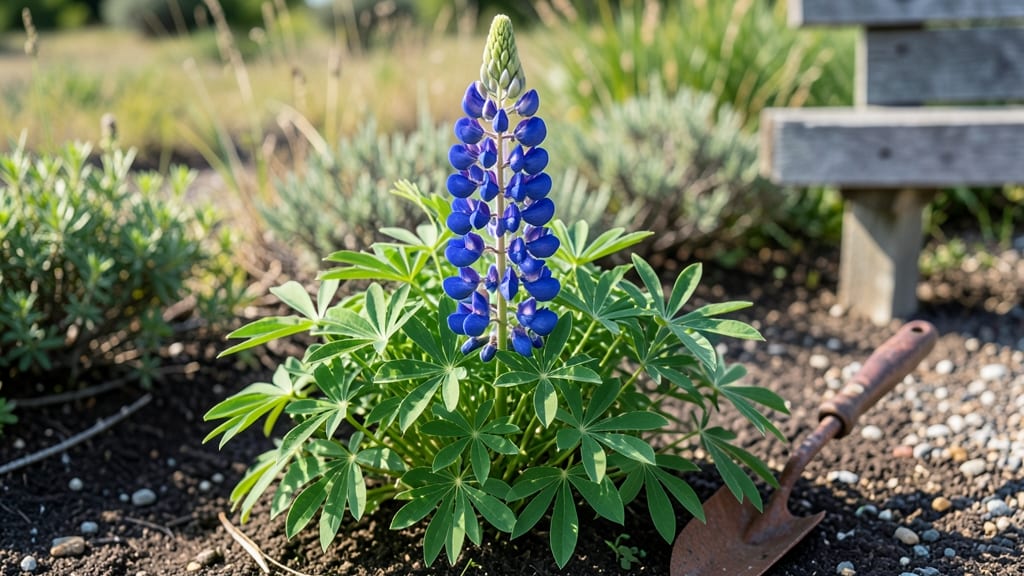
Using DAP for plants gives you a fast-acting fertilizer packed with phosphorus and nitrogen that supercharges root growth, blooms, and fruit production when you mix 1 tablespoon per gallon of water. Feed your plants every 4-6 weeks during the growing season, but always keep it off the leaves to avoid burns.
DAP—short for diammonium phosphate—works by delivering a precise 18-46-0 nutrient ratio that plants crave during their most critical growth phases. 🌱 The high phosphorus content fuels flowering and fruiting, while nitrogen supports vigorous root and leaf development.
Unlike slow-release organic fertilizers, DAP dissolves instantly in water, letting your plants absorb nutrients within hours. I’ve seen tomatoes double their yield and roses bloom nonstop after just two applications, proving its power when used correctly.
For best results, mix DAP with water in a 1:100 ratio (1 tbsp per gallon) and apply it directly to soil during early morning or evening when evaporation is minimal. Always wear gloves—this stuff is potent!
The key is consistency: too little won’t show results, but overdoing it can burn roots. Start with half the recommended dose if your plants are young or sensitive.
💡 In This Article
- How DAP Fertilizer Enhances Plant Growth Mechanisms
- Best Practices for Mixing and Applying DAP Fertilizer
How DAP fertilizer enhances plant growth mechanisms
DAP—diammonium phosphate—works its magic through a precise chemical formula that delivers two powerhouse nutrients in one package. The 18-46-0 ratio means it contains 18% nitrogen and 46% phosphorus by weight, with zero potassium.
This isn't just random; these percentages are carefully balanced to address plants' most urgent needs during different growth stages.
The nitrogen (N) comes from ammonium ions (NH₄⁺), which plants can absorb quickly through their roots, while the phosphorus (P) exists as phosphate ions (H₂PO₄⁻), essential for energy transfer and DNA formation.
The high phosphorus content is what makes DAP particularly effective for flowering and fruiting plants.
Phosphorus plays a crucial role in the production of ATP (adenosine triphosphate), the energy currency of cells, which is why you'll see dramatic improvements in bloom size and fruit development after application. 🌸 For example, tomatoes need phosphorus to develop strong root systems and form fruit—without it, they'll produce small, underdeveloped tomatoes.
The nitrogen component supports leafy growth and chlorophyll production, ensuring plants have the energy to utilize that phosphorus efficiently. This dual-action approach is why DAP is often used in pre-planting fertilizers and during the flowering stage.
What sets DAP apart from organic alternatives is its immediate availability. Unlike compost or manure, which release nutrients slowly through microbial breakdown, DAP dissolves completely in water within minutes. This means plants can access the nutrients almost instantly, which is especially valuable during critical growth phases.
The ammonium form of nitrogen is particularly effective in acidic soils (pH 5.5-6.5), where it remains available longer before converting to nitrate. However, in alkaline soils, it converts quickly to nitrate, which can leach away—so soil testing is key to maximizing its benefits.
Here's where the science gets fascinating: DAP's granular form allows for precise application rates. When mixed with water, it creates a solution that plants absorb through their root hairs via active transport mechanisms.
The phosphate ions bind to soil particles initially, but plant roots actively pull them into their systems when needed. This process is far more efficient than relying on organic matter decomposition, which can take weeks or months.
For instance, a 1 tablespoon per gallon mix delivers about 0.5 grams of phosphorus and 0.3 grams of nitrogen per application—enough to make a noticeable difference in just a few weeks.
One common misconception is that all high-phosphorus fertilizers work the same way. But DAP's unique ammonium-phosphate combination provides an immediate nitrogen boost while supporting long-term phosphorus storage in plant tissues.
This dual mechanism explains why gardeners often see results within 7-14 days of application, compared to weeks or months with organic options. The trade-off? DAP's high solubility means it can burn plants if overapplied or if it contacts leaves directly—hence the importance of proper dilution and soil incorporation.
Consider how this plays out in real-world scenarios: A tomato plant in the flowering stage might need 0.5-1 gram of phosphorus per week.
A single application of DAP mixed at 1 tablespoon per gallon (about 16 grams per 10 liters) can provide nearly that entire weekly requirement in one go.
That's why professional growers often use DAP as a "growth booster" during critical phases rather than as a sole nutrient source throughout the entire season.
The key takeaway is that DAP's effectiveness comes from its precise nutrient ratio and immediate availability. It's not a replacement for balanced fertilization but an excellent tool for targeting specific growth needs.
When used correctly, it can transform underperforming plants into thriving specimens—just don't expect miracles without proper soil preparation and ongoing care. 💫