Planting
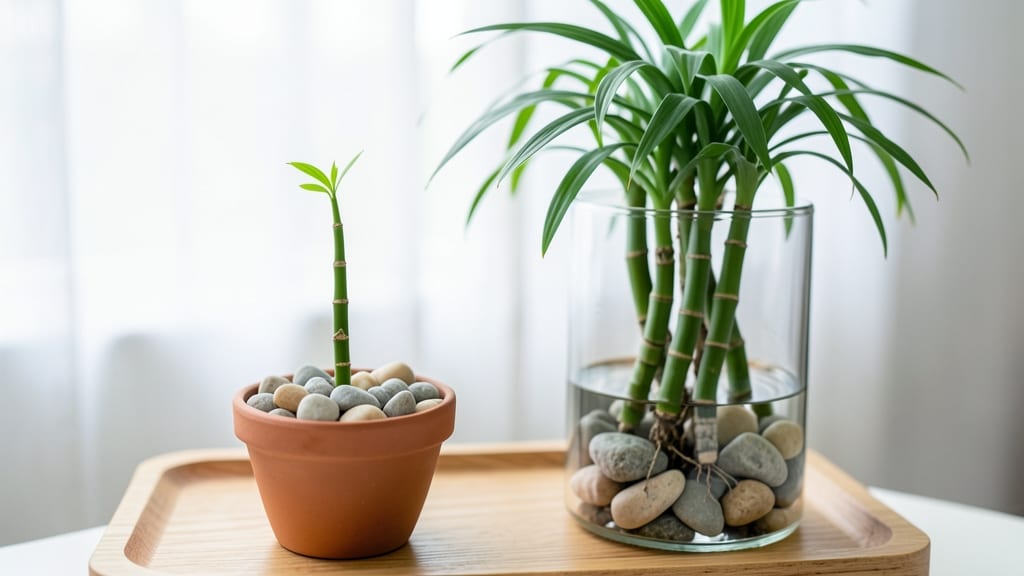
Planting black bamboo (Phyllostachys nigra) transforms any yard into a lush, dramatic backdrop—if you get the spacing right. 🌿 I’ve planted mine along a fence line, and the key to controlling its spread isn’t some high-tech barrier but strategic holes and deep planting.
The first mistake most gardeners make? Skipping the root barrier or assuming it’ll stay clumped like a hosta.
Start with 6-foot spacing between plants and dig trenches for underground barriers if containment matters. Black bamboo thrives in full sun but tolerates partial shade—just expect slower growth.
The soil mix should be slightly acidic, and a 2-inch layer of compost at the bottom of the hole encourages early root spread. Water deeply after planting, but avoid soggy soil; this giant prefers consistent moisture, not swampy conditions.
📚 In This Guide
- What you need
- Instructions
- Tips and common mistakes
- Wrapping up and next steps
What you need
- ● Black bamboo culms (canes): 3–5 healthy, 3–5-year-old culms (each 1–2 inches in diameter) for optimal growth.
- ● High-quality potting soil or garden loam: 5–10 bags (2–3 cubic feet each), amended with organic compost (20–30% mix) for drainage.
- ● Slow-release fertilizer: 10–15 lbs of balanced 10-10-10 or bamboo-specific fertilizer (high in nitrogen).
- ● Mulch: 5–10 bags of wood chips or straw (3–4 inches deep) to retain moisture and suppress weeds.
- ● Root barrier fabric: 10–20 feet of HDPE or bamboo-specific root barrier (0.5–1 mm thick) to contain aggressive roots.
- ● Shovel or spade: 1 heavy-duty garden shovel (for digging trenches and planting holes).
- ● Hoe or trowel: 1 for breaking up soil and precision planting.
- ● Measuring tape: 1 (25–50 feet) to mark spacing and barrier placement.
- ● Pruners or loppers: 1 pair for trimming dead culms or runners.
- ● Gloves and knee pads: 1 pair each for comfort during planting.
- ● A sunny location with 6+ hours of direct sunlight daily (partial shade tolerates but reduces vigor).
- ● Well-draining soil with a pH of 5.5–7.0 (test kit recommended if unsure).
- ● Space! Minimum 10 feet in diameter per culm (expand to 15+ feet for clusters).
- ● Access to water for deep, weekly irrigation (1–2 inches per week).
- ● Epsom salt: 1–2 lbs for magnesium boost (dissolve in water and apply monthly).
- ● Bamboo tonic: 1 bottle (liquid fertilizer for faster growth).
- ● Drip irrigation system: For automated watering (saves time and ensures consistency).
- ● Decorative stones or gravel: To enhance aesthetics around the base.
Step-by-step guide for planting black bamboo
Here's my battle-tested method for establishing this sun-loving giant with the right spacing and care.
🌱 Step 1: Select and Prepare the Planting Site
Black bamboo thrives in full sun to partial shade, with at least 6 hours of direct sunlight daily. Choose a location with well-draining soil—it despises waterlogged roots. I always test drainage first by digging a 12-inch deep hole and filling it with water; if it doesn't drain within 4-6 hours, amend the soil with 2-3 inches of coarse sand or gravel mixed into the top 12 inches of soil.
This bamboo spreads aggressively, so select a site where its 10-15 foot spread won't become a problem. If containment is a concern, plan to install a 3-foot deep underground root barrier before planting. The barrier should extend 12-18 inches above ground to prevent rhizome escape.
🌿 Step 2: Dig the Planting Hole and Amend Soil
Dig a hole twice as wide as the bamboo's root ball and 6-8 inches deeper to encourage root expansion. Loosen the native soil at the hole's bottom with a garden fork—this prevents compaction and helps roots establish faster. I like to add a handful of slow-release organic fertilizer to the hole's base to give the plant a nutrient boost right away.
If your soil is heavy clay, mix in 1 part compost to 2 parts native soil to improve drainage and fertility. Avoid garden soil from your yard—it's often too compacted and lacks the organic matter bamboo needs. Gently place the bamboo in the hole, ensuring the top of the root ball sits 1-2 inches below ground level.
💧 Step 3: Plant and Water Thoroughly
Backfill the hole with the amended soil, tamping lightly every 2 inches to remove air pockets without compacting the roots. Water deeply immediately after planting to settle the soil and eliminate gaps. You'll know you've watered enough when the soil 12 inches deep feels evenly moist—not soggy, but not dry either.
Create a 2-inch deep watering basin around the base of the plant to direct future watering. Mulch the area with 2-3 inches of organic mulch (like shredded bark or wood chips) to retain moisture and suppress weeds. Keep the mulch 6 inches away from the stem to prevent rot.
☀️ Step 4: Establish and Monitor Growth
Water the bamboo 2-3 times weekly for the first 4-6 weeks to encourage root establishment, then taper to once weekly once new shoots appear. Black bamboo is drought-tolerant once established, but young plants need consistent moisture. You'll see new canes emerging within 6-8 weeks if conditions are right.
Fertilize lightly in spring and early summer with a balanced 10-10-10 fertilizer to support vigorous growth. Avoid over-fertilizing—this can lead to excessive foliage at the expense of cane strength. Watch for yellowing leaves, which may indicate overwatering or nutrient deficiency, and adjust care accordingly.
✂️ Step 5: Prune and Maintain for Long-Term Health
Prune in late winter or early spring before new growth begins. Remove dead, diseased, or weak canes at the base with clean, sharp pruners. Cut back overgrown canes to 1/3 of their height to encourage bushier growth and prevent the plant from becoming top-heavy. Never remove more than 30% of the foliage in a single pruning session.
Inspect the plant regularly for signs of pests like bamboo borers or aphids. Treat infestations immediately with neem oil or insecticidal soap to prevent spread. With proper care, your black bamboo will grow into a striking, sun-loving focal point that adds year-round interest to your landscape.
Tips & tricks for perfect black bamboo planting
These battle-tested insights will help you establish your black bamboo with confidence and avoid common pitfalls that can derail even the most well-intentioned planting.
Site Selection Strategy: When evaluating potential planting sites, pay special attention to microclimates in your yard. The south or west side of structures often receives more intense sunlight than open areas—black bamboo thrives in these spots. I've seen dramatic differences in growth when plants are placed just a few feet apart due to these microclimate variations. Also, consider future growth patterns: if your bamboo will eventually screen a neighbor's property, plant it at least 10 feet back from property lines to avoid boundary disputes later.
Root Barrier Installation: If you're installing a root barrier, don't skimp on depth—the 3-foot underground requirement is critical. I've seen bamboo rhizomes grow 12 inches deep in ideal conditions, so a shallow barrier will be ineffective. Use heavy-duty corrugated plastic (not woven fabric) as it provides the necessary structural integrity. For extra security, extend the barrier 6 inches beyond the planting hole on all sides to contain any potential rhizome growth that might try to escape.
Soil Amendment Technique: The 1 part compost to 2 parts native soil ratio is perfect for clay soils, but don't overdo it. Too much compost can create a soggy environment that bamboo dislikes. When mixing amendments, work them into the soil at least 12 inches deep—this matches the depth where bamboo roots will establish most vigorously. I like to use a broadfork to aerate compacted soil before adding amendments, which gives roots better access to nutrients and water.
Watering Wisdom: During the critical 4-6 week establishment period, water deeply 2-3 times weekly but avoid creating a permanently soggy environment. The 12-inch deep soil moisture check is your best guide—soil should feel like a wrung-out sponge, not a dripping wet rag. In hot climates, you might need to water daily during this period, but always let the top 2 inches of soil dry slightly between waterings to prevent root rot. A moisture meter is worth the investment for precise monitoring.
Pro Tips for Black Bamboo Planting
- These battle-tested insights will help you establish your black bamboo with confidence and avoid common pitfalls that can derail even the most well-intentioned planting.
- Site Selection Strategy: When evaluating potential planting sites, pay special attention to microclimates in your yard.
- Root Barrier Installation: If you're installing a root barrier, don't skimp on depth—the 3-foot underground requirement is critical.
Frequently asked questions
Got questions about planting black bamboo?
You’re not alone! Whether you’re a first-time gardener or a seasoned landscaper, these answers will help you grow this striking plant with confidence. Let’s dive in!
How much sunlight does black bamboo really need?
Black bamboo (Phyllostachys nigra) thrives in full sun to partial shade—at least 6 hours of direct sunlight daily for optimal growth. While it tolerates shade, expect slower growth and fewer canes. In hot climates, morning sun + afternoon shade prevents stress. Avoid deep shade; it weakens the plant’s structural integrity.
What’s the ideal spacing for black bamboo clumps?
Plant black bamboo 10–15 feet apart for mature clumps, as they spread aggressively via rhizomes. If space is limited, use underground rhizome barriers (2–3 feet deep) to contain roots. For hedges, space canes 3–5 feet apart and prune regularly. Pro tip: Wider spacing = less competition for nutrients!
When is the best time to plant black bamboo?
The best times are early spring or fall when soil is moist but not soggy. Avoid extreme heat (summer) or frost (winter), as young roots struggle to establish. If planting in USDA Zones 5–9, aim for March–April or September–October. Container-grown bamboo can be planted year-round in mild climates.
Can black bamboo grow in containers? If so, how?
Yes! Use a large container (minimum 20-gallon) with drainage holes and well-draining soil mix (60% potting soil, 30% compost, 10% perlite). Repot every 2–3 years to refresh roots. Place in full sun and water deeply when the top 2 inches of soil dry out. Warning: Containers limit growth; expect canes to max out at 10–12 feet tall.
What pests or diseases should I watch for with black bamboo?
Black bamboo is disease-resistant but may attract:
- Bamboo borers (chew stems): Remove infested canes immediately.
- Spider mites/scale (dry conditions): Spray with neem oil or water leaves.
- Root rot (overwatering): Ensure well-draining soil and avoid soggy roots.
Prevention tip: Prune for airflow and mulch to deter pests.
What are good alternatives if black bamboo is too aggressive?
If containment is a concern, try these low-spreading bamboo alternatives:
- Dwarf bamboo (Bambusa multiplex)
- Hedge bamboo (Fargesia robusta) – clumping, non-invasive
- Lemongrass (Cymbopogon citratus) – ornamental grass with citrus scent
For a similar look without the rhizome spread, opt for ornamental grasses like Miscanthus or Pennisetum.
Wrapping up and next steps
Planting black bamboo is a rewarding way to add drama and structure to your landscape—just remember, its rapid growth and sprawling roots demand strategic planning! 🌱 With the right sunlight exposure, spacious planting pits, and root barriers, you’ll create a stunning, low-maintenance focal point that thrives for years.
Whether you’re a seasoned gardener or a newbie, this resilient plant offers beauty with a side of practicality.
Ready to get growing? Start by sketching your design, gathering supplies, and marking your planting zone. Then, dig in—your future black bamboo grove awaits! 🌿