
Pruning
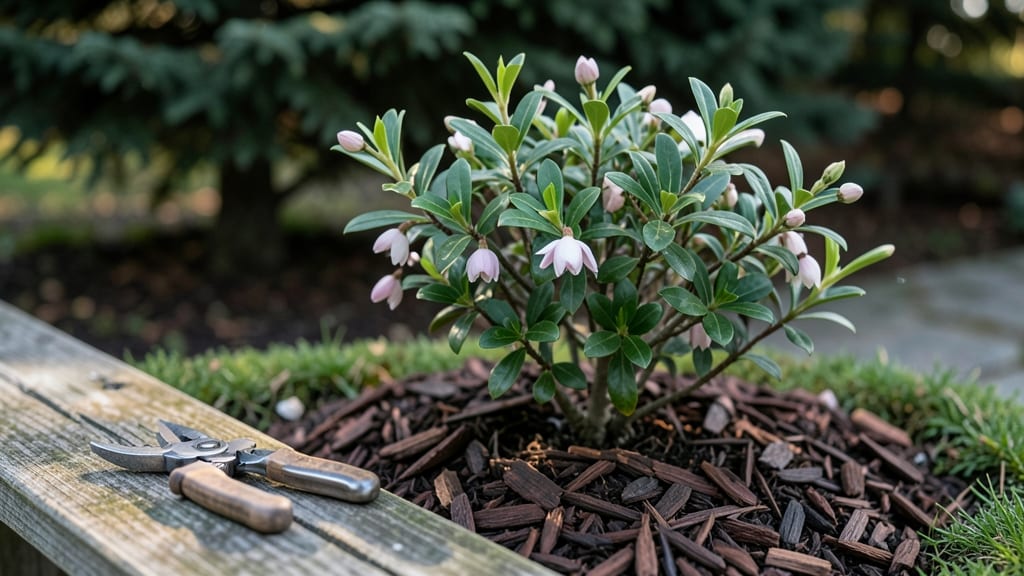
Pruning daphne plants twice a year unlocks year-round blooms that’ll make your garden smell like spring all season. 🌿 I’ve learned the hard way that timing and technique matter—cut at the wrong moment, and you’ll sacrifice next year’s fragrant flowers.
The secret lies in two strategic trims: one right after blooms fade, and another in late winter to shape the plant.
You’ll need sharp bypass pruners, rubbing alcohol for sterilizing cuts, and a clear day to work—daphne plants hate soggy soil or wet branches. Start by removing any dead, crossing, or leggy stems first; these are the branches that steal energy from your blooms.
Then, prune back the current season’s growth by about a third to encourage bushier, more vigorous new growth that’ll produce even more flowers.
After pruning, your daphne will reward you with denser foliage and heavier blooms next season, plus that intoxicating scent that draws hummingbirds. The key is patience: avoid heavy pruning in summer, and never cut into old wood—it won’t regrow.
With these two precision trims, your plant will stay compact, healthy, and always in bloom, whether it’s spring’s delicate flowers or winter’s hardy varieties.
Works for all daphne types—whether you’ve got fragrant winter daphne, spring-blooming varieties, or even the rare summer-flowering kinds. Just adjust the timing slightly based on when your specific plant blooms. Let’s get those shears ready!
📚 In This Guide
- What you need
- Instructions
- Tips and common mistakes
- Wrapping up and next steps
What you need
- ● Pruning shears: Bypass pruners (sharp, 5-7 inch blades) – 1 pair (for clean cuts on smaller stems). Opt for bypass over anvil pruners to avoid crushing stems.
- ● Long-handled loppers: Bypass-style, 18-24 inch – 1 pair (for thicker stems, ½ inch or larger). Look for ergonomic grips for comfort.
- ● Pruning saw: Curved-tooth – 1 (for stubborn, woody stems over ¾ inch thick). A folding saw saves space.
- ● Garden gloves: Heavy-duty, cut-resistant – 1 pair (protects hands from thorns and sharp stems). Choose breathable, waterproof material.
- ● Disinfectant: 70% rubbing alcohol or 10% bleach solution – small bottle (sanitizes tools between cuts to prevent disease spread).
- ● Sharpener: Pruner sharpening stone – 1 (keeps blades razor-sharp for clean cuts). A pull-through sharpener works too.
- ● Twine or plant ties: Jute or nylon – small roll (secures stems if you’re training or shaping the plant).
- ● Hand pruners: Compact, ergonomic – 1 pair (for delicate trimming in tight spaces).
- ● Ladder or step stool: Sturdy, non-slip – 1 (for reaching higher branches safely).
- ● Plant food: Balanced fertilizer (10-10-10 or 20-20-20) – small bag (feed after pruning to encourage new growth).
- ● Mulch: Organic (pine bark, wood chips) – small quantity (protects roots and retains moisture post-pruning).
- ● Camera or phone: – 1 (document your Daphne’s progress before/after pruning for future reference!).
- ● Check the weather: Prune on a dry, overcast day or in the early morning to reduce stress on the plant.
- ● Know your Daphne variety: Some bloom on old wood (e.g., Daphne odora), while others bloom on new wood. Prune accordingly!
- ● Have a clean workspace: Lay down a tarp or old blanket to catch clippings and protect the ground.
Step-by-step instructions for daphne plant pruning
Transform your daphne into a blooming powerhouse with these two targeted trims.
✂️ Step 1: Prune After First Spring Bloom
Daphne blooms on old wood, so timing matters. Once the first flush of flowers fades—usually in late April or early May—cut back the spent blooms one-third of the way down to the next set of healthy buds. This encourages a second round of flowers later in the season. Use sharp, clean pruners to make 45-degree cuts just above a leaf node or outward-facing bud.
Here's the thing—don't overdo it. If you cut too aggressively, you risk removing next year's flower buds. Focus on shaping the plant while preserving its natural form. I like to step back after each cut to check the overall silhouette. If the plant looks lopsided, trim more from the fuller side to restore balance.
✂️ Step 2: Light Prune for Shape in Late Summer
In late August or early September, give your daphne a light shape-up. Remove any dead, damaged, or crossing branches that rub against each other. These cuts prevent disease and improve airflow. For leggy growth, trim back the longest stems by one-quarter to encourage bushier growth next year.
This is the moment that matters: avoid heavy pruning now. Daphne needs its energy to harden off for winter. Focus on tidying rather than transforming. If you see any weak or spindly branches, snip them at the base. You'll see stronger, more compact growth in spring as a reward for this gentle approach.
🌿 Step 3: Winter Prune for Health and Renewal
After the first hard frost—typically in December or January—prune any branches that died back during winter. Cut these back to healthy green growth or the base of the plant. This removes dead wood and makes room for fresh spring growth. Daphne is dormant now, so it won't bleed sap like some other plants.
Real talk: if you missed the spring bloom pruning, this is your chance to correct it. Just keep cuts minimal—no more than one-third of the plant's height. Over-pruning now can delay next year's flowers. I always wear gloves for this step; daphne branches can be sharp after frost.
☀️ Step 4: Spring Cleanup Before New Growth
In early March, just as new growth begins to swell, do a final tidy-up. Remove any remaining dead branches and rake up fallen leaves around the base. This prevents pests and diseases from taking hold. Daphne thrives in well-drained soil, so clear away any debris that could compact the ground.
You'll notice tiny buds forming along the stems—this is your signal that the plant is waking up. Avoid pruning now, as you risk cutting off next year's flowers. Instead, focus on keeping the area around the plant clean. A light application of mulch (if using) helps retain moisture and regulate soil temperature.
Tips & tricks for perfect daphne plant pruning
A few simple tricks will help you keep your daphne blooming beautifully year after year.
Timing is Everything: The late April/May pruning after the first bloom is critical—this is when daphne sets next year's flower buds. If you miss this window, you can still correct it in winter, but keep cuts minimal to avoid stressing the plant. I mark my calendar with reminders because timing makes all the difference with daphne's delicate blooming cycle.
Cutting Technique Matters: Those 45-degree cuts in Step 1 aren't just for show—they help water run off the branches and prevent disease. Always cut just above a leaf node or outward-facing bud to encourage new growth in the right direction. I use a small notepad to sketch my plant's silhouette before cutting, which helps me visualize the final shape.
Seasonal Pruning Wisdom: In late summer, focus on tidying rather than transforming. The one-quarter trim for leggy growth is gentle enough to maintain the plant's energy reserves for winter. I've learned the hard way that heavy summer pruning can leave your daphne looking ragged come spring—better to make small adjustments now.
Winter Pruning Safety: Always wear gloves when pruning after frost—daphne branches can be surprisingly sharp. The one-third height limit during winter pruning prevents over-stressing the plant. I like to bundle the pruned branches and dispose of them immediately to reduce disease risk around my garden.
Pro Tips for Daphne Plant Pruning
- A few simple tricks will help you keep your daphne blooming beautifully year after year.
- Timing is Everything: The late April/May pruning after the first bloom is critical—this is when daphne sets next year's flower buds.
- Cutting Technique Matters: Those 45-degree cuts in Step 1 aren't just for show—they help water run off the branches and prevent disease.
Frequently asked questions
Got questions about keeping your Daphne plant thriving with the perfect pruning routine? You’re not alone! Here are some of the most common queries—plus straightforward answers to help you avoid stress and keep those fragrant blooms coming.
When is the best time to prune Daphne plants?
Prune your Daphne twice a year: immediately after flowering (late spring) to shape the plant and encourage new growth, and again in late summer or early fall to remove any dead or leggy stems. Avoid pruning in winter, as Daphne is semi-dormant and more vulnerable to cold damage.
How much should I cut back my Daphne plant?
For most Daphne varieties, aim to reduce stems by about one-third during the first prune (post-bloom). Focus on cutting just above a leaf node or bud to promote bushier growth. In the second prune, trim only the dead, crossing, or overly long branches—never cut into old wood, as Daphne struggles to regrow from it.
What if I prune at the wrong time?
Pruning at the wrong time (like mid-summer or winter) can stress your Daphne, leading to fewer blooms or stunted growth. If you’ve already over-pruned, don’t panic! Just reduce watering slightly and fertilize lightly with a balanced, low-nitrogen formula to help it recover. Next year, stick to the spring/fall schedule.
Can I prune Daphne to encourage more flowers?
Light, strategic pruning
(like trimming back spent blooms and shaping in spring) signals the plant to focus energy on producing new flower buds for next season. Avoid heavy pruning—stick to shaping cuts and removing only the oldest, least productive stems to keep blooms abundant.
What if my Daphne isn’t blooming after pruning?
Lack of blooms often means too much pruning or poor growing conditions. Check these fixes:
If the issue persists, your plant might need rejuvenation pruning—cut back all stems to 6–8 inches in late summer (risky but can revive old plants).
Wrapping up and next steps
Pruning your daphne plant is the secret to keeping it lush, blooming, and healthy year after year! By mastering the spring and post-bloom trims, you’ll encourage vibrant flowers and strong growth—without stressing the plant. Remember, sharp tools, patience, and timing are your best friends. 🌿✨
Now that you’re armed with the know-how, grab those shears and give your daphne the TLC it deserves. Watch it reward you with stunning blooms and a thriving appearance—your green thumb is about to shine! Ready to prune? Start with a quick inspection of your plant today!