
Plants
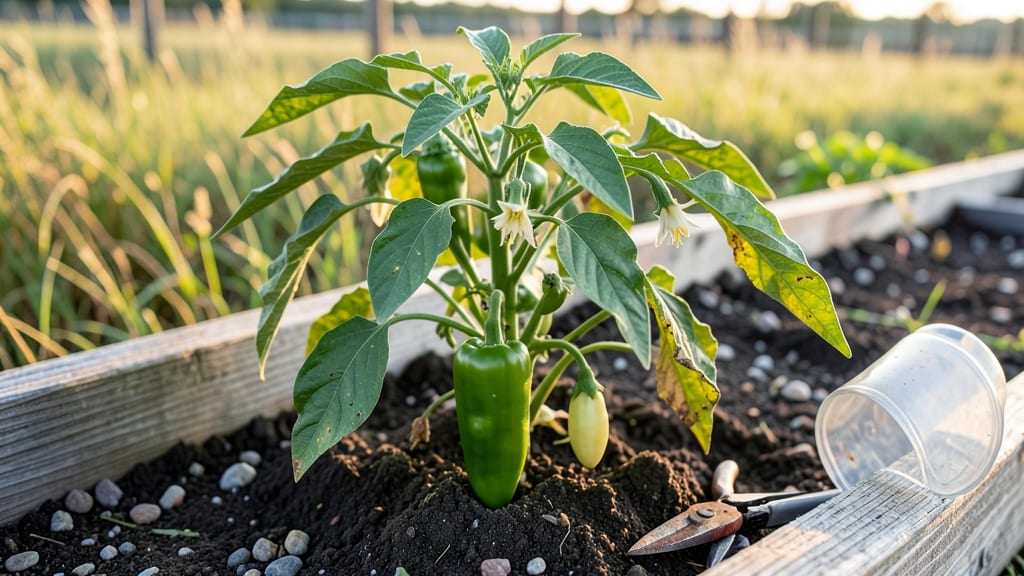
My jalapeño plant wilting faster than a summer tomato? 🌱 I’ve nursed enough drooping peppers back to health to know this isn’t a death sentence—just a wake-up call from your plant.
The first step is figuring out whether it’s thirsty, drowning, bugged, or fighting a silent infection, because the fix changes everything.
Most wilting starts with water—either too much or too little. Check the soil: if it’s bone-dry two inches down, you’ve been neglecting it. If it’s soggy and smells funky, you’re overdoing it.
Then look for pests hiding under leaves or sticky residue from spider mites. Environmental stress like sudden heat waves or poor drainage can also push plants to their limits.
Once you pinpoint the issue, the rescue is straightforward: adjust watering, prune damaged leaves, or treat pests with neem oil. Within a week, you’ll see stronger stems and new growth—if you act fast. The key is catching it early before the roots give up entirely.
This works for container peppers, in-ground plants, or even those stubborn window-sill growers. Let’s turn that limp plant into a firecracker pepper factory again—no green thumb required.
Understanding The Root Causes
When your jalapeño plant starts wilting, it’s often a cry for help from its roots—or something else entirely. Wilting isn’t just one problem; it’s a symptom of deeper issues. Let’s break down the most common culprits, why they happen, and what’s really going on in your plant’s soil and leaves.
💦 Too much love can drown your plant.
Jalapeños thrive in well-draining soil, but when they sit in soggy conditions, their roots struggle to breathe. Overwatering forces roots to suffocate, cutting off oxygen and nutrients. Without proper aeration, roots rot, and the plant can no longer absorb water—even if the soil looks moist.
This creates a vicious cycle: the plant wilts because it can’t hydrate, but the roots are already damaged.
Signs to watch for:
- Yellowing leaves (especially lower ones)
- Mushy, dark roots when checked
- Soil that smells sour or like rot
Why it happens:
- Poor drainage in containers or heavy clay soil
- Watering on a rigid schedule (even if the plant doesn’t need it)
- Compacted soil that doesn’t allow oxygen flow
🌵 A thirsty plant is a wilted plant.
Jalapeños are drought-tolerant, but they’re not cacti. When soil dries out completely, roots shrink and pull away from the soil particles, breaking their connection to moisture and nutrients.
The plant wilts as a survival mechanism—like closing your mouth to conserve water. If left unchecked, roots can die back, and the plant may never recover.
Signs to watch for:
- Dry, crispy soil at the surface
- Leaves curling inward (not outward)
- Wilting that worsens in the afternoon heat
Why it happens:
- Infrequent watering (especially in hot, dry climates)
- Small pots that dry out too quickly
- Forgetting to check soil moisture before watering
🪨 Sticky soil = unhappy roots.
Jalapeños hate "wet feet." If your soil is too dense (like clay) or lacks organic matter, water pools around the roots instead of draining away. This creates anaerobic conditions, where roots suffocate and pathogens like Pythium or Phytophthora move in.
Even if you’re watering correctly, compacted soil can mimic overwatering symptoms.
Signs to watch for:
- Water pooling on the soil surface after watering
- Roots that look black, mushy, or slimy
- Slow recovery after wilting (even with water)
Why it happens:
- Using heavy, clay-based potting mix without amendments
- Repotting without refreshing soil
- Over-fertilizing with products high in clay or sand
🍽️ Hungry roots can’t hold water.
Wilting can also signal that your jalapeño isn’t getting the right nutrients. A lack of potassium or calcium weakens the plant’s ability to regulate water uptake, while nitrogen deficiency (yellowing leaves) reduces overall vigor. Even too much fertilizer can burn roots, preventing them from absorbing moisture.
Signs to watch for:
- Yellowing between leaf veins (nitrogen deficiency)
- Brown, crispy edges on older leaves (potassium deficiency)
- Stunted growth despite regular watering
Why it happens:
- Using old or depleted soil without fertilization
- Over-relying on synthetic fertilizers without organic balance
- Ignoring soil pH (jalapeños prefer 6.0–7.0)
🐜 Hidden invaders steal your plant’s strength.
Root pests like root-knot nematodes, fungus gnats, or aphids feed on roots, disrupting water and nutrient flow. Fungal diseases (e.g., root rot) or bacterial infections can also clog root tissues, making it impossible for the plant to absorb water.
If you see wilting without obvious soil issues, pests or disease might be the culprit.
Signs to watch for:
- Tiny white worms in soil (nematodes)
- Sticky residue on leaves (aphids or scale)
- Foul odor or moldy growth at the base
Why it happens:
- Reusing contaminated soil or pots
- Overhead watering (spreading fungal spores)
- Weak plants (from stress or poor care) attract pests
🌡️ Too much heat, wind, or cold can shock roots.
Extreme temperatures, strong winds, or sudden temperature swings stress jalapeño plants. Roots in cold soil (below 50°F/10°C) can’t absorb water efficiently, while heat stress causes rapid transpiration (water loss) that the roots can’t keep up with. Even transplant shock (after moving plants) can temporarily halt root function.
Signs to watch for:
- Wilting that improves at night (heat stress)
- Drooping after a cold snap
- Newly planted jalapeños wilting within days
Why it happens:
- Planting too early in spring (before soil warms)
- Lack of mulch to regulate soil temperature
- Sudden exposure to wind or direct sun after shade
🪴 Crammed roots can’t breathe.
If your jalapeño’s roots have completely filled its container, they’ll start circling and strangling each other. This restricts water and nutrient uptake, leading to wilting. Even if the soil looks moist, the roots can’t access it properly.
Signs to watch for:
- Roots growing out of drainage holes
- Soil drying out too quickly after watering
- Stunted growth despite regular care
Why it happens:
- Keeping plants in small pots for too long
- Not repotting every 12–18 months
- Using decorative pots without proper root space
Pro Tip: 💡 Before diagnosing, do a quick soil check! Stick your finger 1–2 inches deep—if it’s dry, water; if it’s soggy, hold off. Wilting from thirst looks different than wilting from rot. Morning wilting that recovers by evening often means thirst, while persistent droop signals deeper issues.
Revive Your Jalapeño Plant Now
If your jalapeño plant is wilting, don’t panic—most issues have quick fixes! Below are practical, step-by-step solutions tailored to the most common causes, plus prevention tips to keep your plant thriving. Let’s get your peppers perking up again!
Signs: Yellowing leaves, mushy stems, or soil that smells sour or rotten.
How to Fix It:
- Stop watering immediately—let the soil dry out completely.
- Repot if needed: Remove the plant gently, trim any blackened roots with sterilized scissors, and replant in fresh, well-draining soil.
- Adjust your watering routine: Wait until the top 1–2 inches of soil are dry before watering again. Stick your finger in the soil—if it’s damp, wait!
Prevention Tips:
- Use pots with drainage holes.
- Water deeply but infrequently (jalapeños hate soggy roots!).
- 💡 Pro Tip: Mulch around the base to regulate moisture—it keeps soil from drying out too fast or staying too wet.
Signs: Crispy leaf edges, drooping leaves that don’t bounce back when plumped with water, or dry, cracked soil.
How to Fix It:
- Give it a thorough soak: Water until it drains from the bottom of the pot, then empty the saucer to avoid root rot.
- Check soil moisture daily for a few days—jalapeños need consistent moisture, especially in heat.
- Move to a shadier spot if your plant is wilting from heat stress (even underwatered plants need some relief).
Prevention Tips:
- Water in the early morning to reduce evaporation.
- Group plants together to create a microclimate with higher humidity.
- 🌡️ Pro Tip: Use a moisture meter to track soil hydration—no guesswork!
Signs: Wilting during scorching afternoons or after a sudden cold snap, leaf scorch (brown edges), or stunted growth.
How to Fix It:
- Move your plant to a spot with morning sun + afternoon shade (jalapeños love warmth but hate intense midday heat).
- Mulch heavily to insulate roots—straw or shredded leaves work great.
- For cold stress: Cover the plant with a frost cloth if temperatures dip below 50°F (10°C).
Prevention Tips:
- Hardening off seedlings: Gradually expose them to outdoor conditions over 1–2 weeks.
- Use shade cloth (30–50%) in peak summer if your area gets brutal heat.
- ✨ Pro Tip: Place a pebble tray under the pot—evaporating water creates a cooling effect!
Signs: Wilting paired with holes in leaves, sticky residue (aphids), or white mold (powdery mildew).
How to Fix It:
- Isolate the plant to prevent spreading.
- Spray with neem oil (mix 1 tsp neem oil + 1 tsp mild soap + 1 quart water) or insecticidal soap for pests.
- Prune affected leaves and dispose of them in a sealed bag.
- For fungal issues: Improve airflow by spacing plants apart and avoid overhead watering.
Prevention Tips:
- Inspect new plants before bringing them home.
- Rotate crops—don’t plant jalapeños in the same spot yearly.
- 🎯 Pro Tip: Companion plants like marigolds repel pests naturally!
Signs: Wilting plus yellowing between leaf veins (nitrogen deficiency) or purple stems (phosphorus deficiency).
How to Fix It:
- Fertilize with a balanced, organic fertilizer (like 5-5-5 or compost tea).
- For nitrogen: Add fish emulsion or alfalfa meal.
- For phosphorus: Use bone meal (sprinkle lightly and water in).
Prevention Tips:
- Test your soil every 2–3 years (or use a DIY kit).
- Feed lightly but often—jalapeños prefer weak, frequent meals over heavy doses.
- 💪 Pro Tip: Epsom salt (1 tbsp per gallon of water) can boost magnesium if leaves turn yellow with brown spots.
Signs: Roots circling the pot, water pooling on top of soil, or wilting that worsens after watering.
How to Fix It:
- Repot immediately into a container 2–3 inches larger with fresh, well-draining potting mix.
- Loosen roots gently if they’re tightly bound.
- Add perlite or vermiculite to improve drainage.
Prevention Tips:
- Repot every 1–2 years or when roots peek out of drainage holes.
- Use terracotta pots—they wick away excess moisture.
- 🔥 Pro Tip: Avoid garden soil—it compacts and suffocates roots!
If your jalapeño’s leaves are soft and limp but not mushy, try this:
- Fill a sink with lukewarm water + 1 tsp sugar (helps revive cells).
- Submerge the entire pot (or plant) for 10–15 minutes.
- Drain well and place in bright, indirect light.
Most plants perk up within hours—if not, reassess the root cause!
Remember: Jalapeños are tough! With the right care, they’ll bounce back—and reward you with spicy, homegrown peppers in no time. 🌶️💚
Frequently asked questions about jalapeño plant wilting
Why does my jalapeño plant wilt in the afternoon but perk up at night?
This is classic heat stress or underwatering. Jalapeños lose moisture quickly in hot afternoons—if roots can’t keep up, leaves wilt to conserve water. Check soil moisture 1–2 inches deep; if dry, water deeply in the morning. Move plants to partial shade during peak sun hours to help them recover faster.
Can I save a jalapeño plant if its leaves are completely limp and mushy?
Possibly, but act fast! Mushy leaves signal root rot from overwatering. Stop watering immediately, remove the plant, and trim all black/mushy roots with sterilized scissors. Repot in fresh, well-draining soil and hold off on watering for 3–5 days to let roots recover. If roots are mostly gone, propagation from healthy stems may be your best bet.
How often should I water my jalapeño plant to prevent wilting?
Water when the top 1–2 inches of soil are dry—about 1–2 times per week in summer, less in cooler months. Use your finger to check moisture; jalapeños hate soggy soil but also need consistent hydration. Water deeply until it drains from the bottom, then empty saucers to prevent root rot. Morning watering reduces evaporation.
What’s the difference between wilting from thirst and wilting from root rot?
Thirst wilting happens gradually, with leaves curling inward and soil dry at the surface. Root rot wilting is sudden, with mushy stems, yellowing leaves, and soil that smells sour. For thirst, water thoroughly; for rot, stop watering, repot, and trim dead roots. A quick soil check (stick your finger in!) tells you which issue you’re dealing with.
Will my jalapeño plant recover if I’ve ignored wilting for a week?
Maybe, but recovery depends on how much root damage occurred. If leaves are still green and stems are firm (not mushy), prune any dead foliage, adjust watering, and move the plant to optimal conditions. If roots are severely rotted or dry, propagation from healthy cuttings may be necessary. Don’t give up—jalapeños are resilient, but early action is key!