
Picking
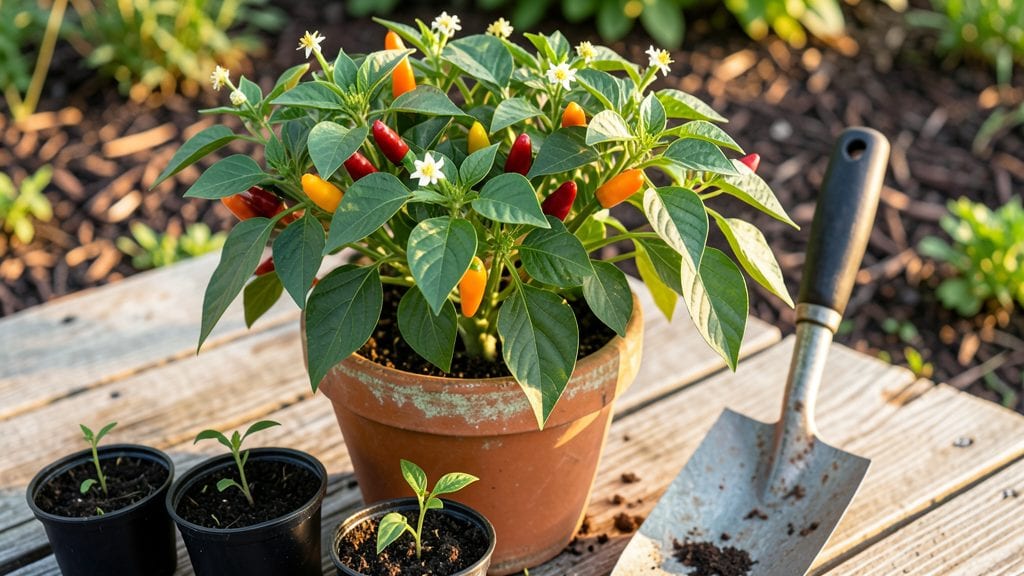
Planting habanero peppers means fiery harvests that’ll make your neighbors green with envy—if you get the timing and soil right.
I’ve grown these spicy gems for years, and the difference between a thriving plant and a sad, leggy seedling comes down to two critical weeks in early spring when you prep the ground. The key? Warm soil and patience, because habaneros refuse to rush.
Most gardeners mess up by planting too early or using cold soil, which stalls germination for weeks. Instead, wait until nighttime temperatures stay above 60°F and work in a well-draining mix of compost and sand—habaneros hate soggy roots.
Start seeds indoors 8-10 weeks before your last frost, or buy sturdy transplants from a nursery specializing in peppers. They’re fussy about root disturbance, so handle them like delicate glass.
Once planted, these plants reward you with bright red, orange, or yellow peppers that pack serious heat—but only if you give them full sun (6+ hours daily) and consistent moisture.
The first harvest arrives in 90-120 days, and if you prune aggressively, you’ll get a second flush of peppers by fall. Just don’t let them dry out, or the fruit turns bland and shriveled.
Here’s the secret no one tells you: habaneros thrive when slightly stressed. Let the soil dry between waterings, and they’ll focus energy on fruit instead of foliage. And if your seedlings look weak?
It’s probably damping off—fix it with a fungicide spray and better airflow. Ready to grow something that’ll make your mouth (and your neighbors) burn?
📚 In This Guide
- What you need
- Instructions
- Tips and common mistakes
- Wrapping up and next steps
What you need
- ● Habanero Seeds: 5–10 seeds (or 1–2 starter plants if buying transplants). Choose a variety like 'Carolina Reaper' or 'Jalapeño Habanero' for extra heat!
- ● Containers or Garden Bed: Containers: 5–10 gallon pots (at least 12" deep) with drainage holes. 1 pot per plant for optimal growth.
- ● Garden Bed: Well-draining soil in a sunny spot (6+ hours of sunlight daily). Avoid soggy soil!
- ● Potting Mix: 1 bag of high-quality, well-draining cactus/succulent mix (or amend garden soil with perlite/vermiculite). 1 part potting mix : 1 part amendment for loose, airy soil.
- ● Fertilizer: Balanced fertilizer (10-10-10 or 5-5-5) for planting.
- ● Low-nitrogen, high-phosphorus fertilizer (5-10-10) when flowers appear.
- ● Watering Can or Hose: With a gentle spray nozzle to avoid disturbing seedlings.
- ● Mulch: Straw or shredded leaves (2–3 inches thick) to retain moisture and regulate soil temp.
- ● Grow Lights: If starting indoors before last frost (14–16 hours of light/day).
- ● Plant Tags: To track varieties and planting dates.
- ● Pest Control: Neem oil or insecticidal soap for aphids/spider mites.
- ● Pruning Shears: For shaping plants and removing suckers.
- ● Heat-Resistant Gloves: Because habaneros will sting if mishandled!
Step-by-step habanero pepper planting for a fiery harvest
Here’s how to grow habanero peppers from seed to spicy maturity—no shortcuts, just proven techniques.
Start Seeds Indoors at the Right Time
Habanero seeds need warmth to germinate, so begin them indoors 8-10 weeks before your last frost date. Use the 4-cell seedling tray and fill each cell with 1 cup of seed-starting mix moistened until damp but not soggy. Press the mix down lightly to remove air pockets—this ensures even moisture distribution.
Plant 2 seeds per cell at a depth of ¼ inch, just below the surface. Cover them with a thin layer of additional mix and mist gently with water until the surface looks uniformly damp. Place the tray in a warm spot, ideally on a seedling heat mat set to 75-85°F. Germination typically takes 10-20 days, but consistency in warmth is key—fluctuations delay sprouting.
Provide Optimal Light and Transplant Carefully
Once seedlings emerge, move them under grow lights positioned 2-3 inches above the tray. Habaneros need 14-16 hours of light daily to prevent leggy growth. If you notice stems stretching toward the light or leaves spacing out too far, lower the lights immediately—this signals insufficient intensity.
After 4-6 weeks, when seedlings develop their first true leaves (the second set after the initial cotyledons), transplant the stronger of the two seedlings per cell into 4-inch pots filled with the 2 gallons of potting mix. Handle the stems gently to avoid root damage, and water lightly to settle the soil around the roots. Overwatering now can cause damping-off, so let the top inch of soil dry slightly between waterings.
Harden Off and Plant Outdoors
Two weeks before your last frost, begin hardening off the seedlings by placing them outside in a sheltered spot for 1-2 hours the first day. Gradually increase their outdoor time over 7-10 days, exposing them to morning sun first to avoid scorching. By the final day, they should tolerate full sun for 6+ hours without wilting.
When nighttime temperatures stay above 55°F, transplant the seedlings into the garden 18 inches apart in rows spaced 24 inches apart. Dig holes deep enough to bury the plants up to their first set of true leaves—this encourages stronger root development. Water deeply at planting to help settle the soil and reduce transplant shock. Mulch around the base with 1 yard of straw mulch to retain moisture and suppress weeds.
Maintain Heat, Water, and Fertility
Habaneros thrive in full sun (6-8 hours daily) and warm soil (70-90°F). Water at the base of the plant when the top 1-2 inches of soil feel dry, avoiding wetting the leaves to prevent disease. Use the 1 gallon of 10-10-10 fertilizer diluted to half-strength every 4-6 weeks to support fruiting. You’ll know your plants are happy when they produce white flowers—these will develop into peppers within 30-45 days.
Prune suckers (the small shoots that form in the leaf axils) to direct energy into fruit production. If you notice yellowing leaves, it’s often a sign of overwatering or nutrient deficiency—adjust your watering schedule or apply a balanced fertilizer immediately. With consistent care, you’ll harvest bright orange or red peppers in 90-120 days, ready for drying, cooking, or fresh heat.
Tips & tricks for perfect habanero pepper planting
Growing habanero peppers from seed to harvest requires precision, but these targeted tips will help you avoid common pitfalls and maximize your fiery yield.
Precision Timing for Seed Starting: The 8-10 week indoor starting window is non-negotiable for most climates. Use a frost date calculator to determine your exact start date—this ensures seedlings are robust enough to handle outdoor conditions by transplant time. I've learned the hard way that rushing this schedule often results in weak plants that struggle with temperature fluctuations. For extra insurance, consider using a seedling heat mat set to 85°F consistently during germination, which typically takes 10-20 days but can be delayed by temperature variations.
Light Management is Everything: During the critical 14-16 hour daily light requirement, position your grow lights just 2-3 inches above the seedlings. I recommend using full-spectrum LED grow lights as they provide the light spectrum habaneros need for optimal growth. If you notice stems elongating excessively (a condition called "legginess"), immediately lower the lights or increase light intensity—this prevents weak stems that can't support the plant's weight when it's time to transplant.
Transplanting Technique Matters: When transplanting to 4-inch pots after 4-6 weeks, focus on preserving the root structure. Gently squeeze the sides of the seedling tray to loosen the roots before transferring, and avoid burying the stems deeper than they were in the seedling tray. This prevents stem rot and encourages strong root development. I've found that using a 10-10-10 fertilizer at half-strength during this stage gives seedlings a nutritional boost without overwhelming their developing systems.
Harden Off Gradually: The 7-10 day hardening off process is where many gardeners make critical mistakes. Start with just 1-2 hours of morning sun exposure on the first day, gradually increasing exposure while protecting plants from afternoon sun. Watch for signs of stress like wilting or yellowing leaves—these indicate the plants aren't ready for longer outdoor exposure. By the final day, your seedlings should comfortably handle 6+ hours of full sun without showing signs of distress.
Pro Tips for Habanero Pepper Planting
- Growing habanero peppers from seed to harvest requires precision, but these targeted tips will help you avoid common pitfalls and maximize your fiery yield.
- Precision Timing for Seed Starting: The 8-10 week indoor starting window is non-negotiable for most climates.
- Light Management is Everything: During the critical 14-16 hour daily light requirement, position your grow lights just 2-3 inches above the seedlings.
Frequently asked questions
Got questions about growing habanero peppers?
You’re not alone—this fiery plant has a few quirks! Here are answers to the most common queries to help you cultivate a successful, spicy harvest.
When is the best time to plant habanero peppers?
Habaneros thrive in warm soil (at least 70°F/21°C) and cannot tolerate frost. Start seeds indoors 8–10 weeks before your last frost date or sow directly in the ground after all danger of frost has passed and soil is consistently warm. In cooler climates, use black plastic mulch or a greenhouse to extend the season.
How long does it take for habanero peppers to mature?
From seed to harvest, habaneros typically take 90–120 days. If you’re starting seeds indoors, expect 60–75 days after transplanting to see peppers. Patience is key—rushing can lead to underripe, less flavorful (but still spicy!) pods. Keep an eye out for orange or red color shifts, a sign they’re nearly ready!
What are the most common pests or diseases for habanero plants?
Habaneros are prone to aphids, spider mites, and whiteflies, which suck sap and weaken plants. For diseases, powdery mildew (from humidity) and bacterial spot (from overhead watering) are top culprits. Prevent pests with neem oil or insecticidal soap, and water at the base to avoid fungal issues. Rotate crops yearly to minimize soil-borne problems.
Can I grow habaneros in containers? What’s the best pot size?
Habaneros adapt well to containers if given enough space. Use pots at least 12–18 inches deep and wide (5-gallon minimum) with drainage holes. Ensure the pot stays warm—black containers absorb heat better. Place them in full sun (6+ hours/day) and fertilize every 2–3 weeks with a balanced, water-soluble fertilizer for optimal growth.
Why aren’t my habanero peppers turning red or getting spicy?
Habaneros need full sun, warm temps (above 75°F/24°C), and consistent watering to ripen and develop heat. If peppers stay green or taste mild, check for:
- Insufficient sunlight (move to sunnier spot or supplement with grow lights).
- Nutrient deficiencies (add compost or a high-potassium fertilizer).
- Overwatering (keep soil moist but not soggy).
- Cool nights (use row covers or grow in a greenhouse).
Wrapping up and next steps
Growing habanero peppers is a rewarding journey for any bold gardener—packed with fiery flavors and a sense of achievement! With the right soil, sunlight, and care, you’ll soon be harvesting peppers that bring heat to your favorite dishes.
Now that you’re armed with planting secrets, take the plunge and start your spicy adventure today—your taste buds (and dinner guests) will thank you!
🌱 Next step: Mark your calendar for planting season and gather your supplies. Ready to grow? Dive into our step-by-step guide to get started!