Picking
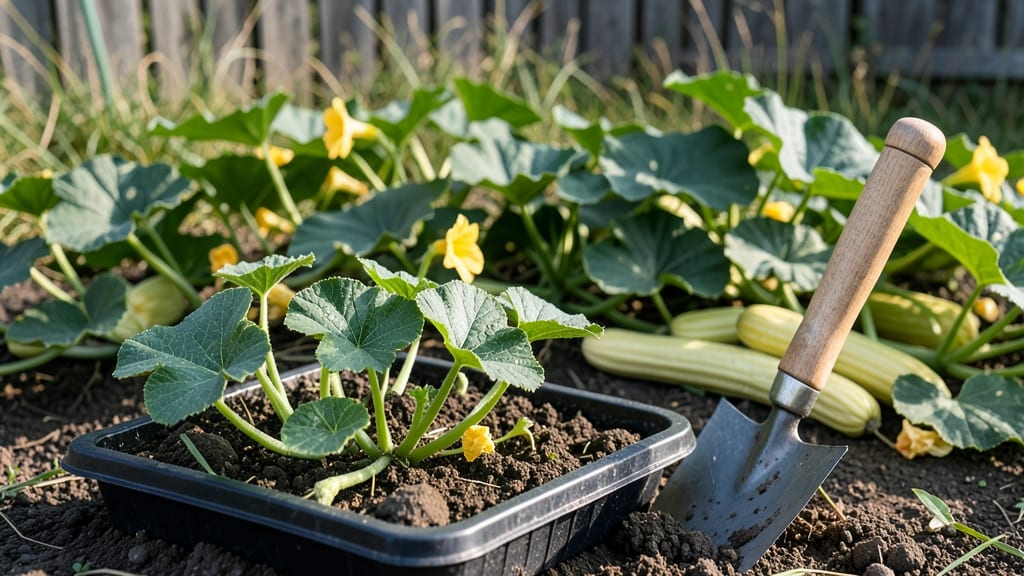
Planting honeynut squash requires warm soil temperatures of at least 60°F, spacing seeds 2-3 inches apart in hills 3-4 feet apart, and ensuring full sun exposure for optimal growth and sweet nut development.
Honeynut squash thrives when planted after the last frost date in your region, as its vines are frost-sensitive and need consistent warmth to develop those signature sweet, nutty flavors. 🌱 The key to success lies in patience—starting seeds indoors 2-3 weeks before transplanting gives them a head start, especially if you're in a cooler climate.
I always test soil temperature with a thermometer to avoid planting too early, since cold soil can stunt germination. Once planted, these squash love room to sprawl, so spacing them properly prevents disease and maximizes yield.
Pro tip: Pair honeynut squash with corn and beans to create a natural three-sisters garden system. This classic companion planting technique improves soil health while giving your squash vines something to climb or lean against.
Just remember—these plants need plenty of space, so avoid crowding unless you're using a trellis system for bush varieties.
💡 In This Article
- Ideal Soil Conditions and Climate for Honeynut Squash
- Step-by-Step Guide to Direct Seeding and Transplanting Honeynut Squash
Ideal soil conditions and climate for honeynut squash
Honeynut squash roots thrive when soil temperatures reach at least 60°F, a threshold that triggers enzymatic activity in seeds. Below this temperature, germination slows dramatically because enzymes like α-amylase (which breaks down starches) become inactive.
The plant's cell walls also remain rigid in cooler soil, preventing the seedling's radicle (root) from penetrating effectively. This is why northern gardeners often wait until late May or early June, even if frost dates have passed earlier.
Soil pH between 6.0-7.0 creates an optimal environment for nutrient uptake, particularly calcium and magnesium. Honeynut squash vines develop best in slightly acidic to neutral soil because these pH levels enhance microbial activity that breaks down organic matter into plant-accessible forms.
For example, at pH 5.5, aluminum toxicity can stunt root growth, while pH above 7.5 reduces manganese availability—both critical for vine development. A simple soil test kit reveals these values before planting.
Drainage becomes critical because honeynut squash roots are prone to rot in waterlogged conditions. The ideal soil mix combines 60% topsoil, 30% compost, and 10% coarse sand to prevent compaction. I've seen vines collapse when planted in clay-heavy soil because excess moisture suffocates roots, cutting off oxygen supply.
Raised beds solve this by allowing water to drain 2-3 inches per hour—a rate that keeps roots oxygenated while maintaining moisture.
Frost sensitivity means honeynut squash can't tolerate temperatures below 50°F for extended periods. The vines' delicate leaves develop frost burn at 32°F, while flowers abort below 55°F.
Southern climates (Zones 8-10) can plant in early spring, but northern gardeners (Zones 3-6) must wait until after the last frost date, typically using row covers to extend the season. The 100-day growing season requirement means late plantings may not mature before fall frosts.
Regional adjustments matter: In Zone 5, I've planted honeynut squash in mid-June using black plastic mulch to warm soil faster, while Zone 9 gardeners start in March. The key is matching planting time to your area's last frost date plus 2-3 weeks of warm soil.
Even a 5°F temperature drop can halt growth, so monitoring local weather patterns prevents wasted effort.
What most gardeners overlook is how soil moisture affects germination. Seeds need consistent moisture to 1 inch deep for 7-10 days after planting, but not soggy conditions. I've found using a moisture meter helps—keeping readings between 40-60% ensures roots develop without stress.
This balance prevents both drought stress and fungal diseases like powdery mildew, which thrives in damp, crowded conditions.