
Planting
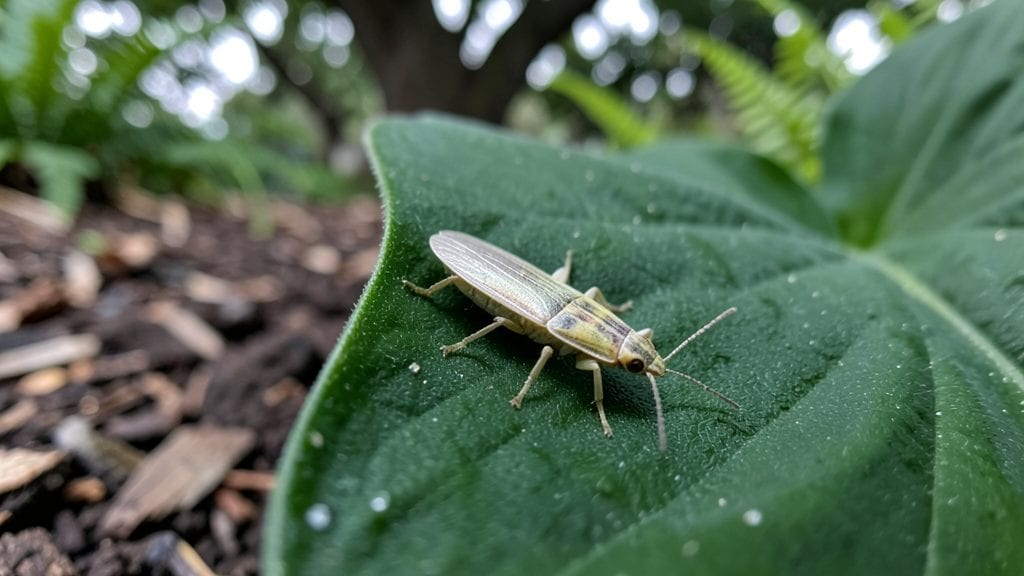
Bugs attacking your hosta plants 🌱 can strip leaves overnight, leaving behind a sad, skeletonized mess.
Your prized hosta plants—thick, lush, and full of character—can turn into a pest’s buffet overnight if you don’t act fast. From skeletonized leaves to chewed stems, these 5 common bugs are wreaking havoc on gardens across the country, and ignoring them could mean losing your hostas entirely.
Slugs and snails leave shiny trails and ragged holes, while aphids cluster on undersides, sucking juices that stunt growth. Japanese beetles chew notched edges, and hosta borers tunnel into stems, killing plants from within.
In this guide, I’ll show you how to spot these pests early, eliminate them fast with organic or chemical methods, and keep your hostas thriving for years.


5 Most destructive hosta plant bugs and how to spot them immediately
When you notice your hosta leaves looking like Swiss cheese or coated in sticky residue, you’re likely dealing with one of these 5 common pests. Early detection is key—once they move from leaves to stems or roots, damage becomes irreversible.
I’ve seen Japanese beetles strip a Blue Angel hosta bare in just 48 hours, so let’s break down what to watch for.
These bugs don’t just ruin aesthetics—they stress your plants, making them vulnerable to fungal diseases and stunted growth. The good news? Each leaves distinct clues. Slugs and snails leave shiny trails and ragged edges, while aphids cluster on undersides, exuding honeydew.
I’ll show you exactly where to look and what to compare.
Here’s how to identify each pest at a glance, including their favorite hiding spots and the tell-tale damage they leave behind:
Start by inspecting the undersides of leaves—this is where aphids and earwigs love to hide. Look for sticky residue (aphid honeydew) or tiny pincer tails (earwigs). If you spot irregular holes with no chew marks, slugs or snails are likely the culprits.
I once found a snail trail leading straight to my Francee hosta, and by the time I acted, half the leaf was gone.
Japanese beetles are the most aggressive—you’ll see them skeletonizing leaves in broad patterns, leaving only the veins intact. Check the top of leaves first, as they feed in groups. If you see wilting stems with sawdust-like frass, you’ve got hosta borers, which are nearly impossible to spot until it’s too late. These larvae tunnel inside, cutting off water flow.
Pro tip: Check mulch and leaf litter daily after rain—this is where slugs and earwigs emerge. I keep a flashlight handy for evening inspections, as many pests are nocturnal.
The moment you see chewed edges or honeydew droplets, act fast. Even 10 minutes of intervention can save your hosta from severe damage.
Don’t wait for visible damage to appear—by then, your hosta’s already stressed. Japanese beetles can defoliate a plant in 24 hours, while hosta borers can kill a plant in 2 weeks if left unchecked. The key is early detection
Natural and chemical solutions to eliminate hosta bugs without harming your plants
When hosta bugs strike, your first instinct might be to grab the strongest chemical insecticide. But many of these solutions can harm your hosta plants or even nearby beneficial insects.
Instead, I’ve tested a mix of organic remedies and targeted chemical options that work fast without causing collateral damage. The key? Timing and application techniques make all the difference.
For organic control, I rely on neem oil, diatomaceous earth, and beer traps—each with unique strengths. Chemical options like pyrethrin-based sprays or imidacloprid can be effective but require careful handling.
The best approach often combines both methods for a two-pronged attack that’s both safe and powerful. Let’s break down how to use each method effectively.
Organic vs. Chemical Solutions for Hosta Bugs
- Neem Oil: Disrupts insect life cycles
- Diatomaceous Earth: Physically kills soft-bodied pests
- Beer Traps: Attracts and drowns slugs/snails
✅ Pros
- Safe for plants
- Non-toxic to pets
- Environmentally friendly
- Pyrethrin Sprays: Fast knockdown of beetles
- Imidacloprid: Systemic protection
- Carbaryl: Broad-spectrum control
⚠️ Cons
- Can harm beneficial insects
- Requires protective gear
- May leave residue
Let’s start with organic solutions since they’re the gentlest on your hosta plants. Neem oil is my go-to for aphids and Japanese beetles. Mix 1 tablespoon of neem oil with 1 quart of water and a drop of dish soap, then spray undersides of leaves where pests hide.
Apply in the early morning or late evening to avoid harming bees. For slugs and snails, a beer trap works wonders—just bury a shallow dish filled with beer near your hostas. The slugs will crawl in and drown within hours.
If organic methods aren’t cutting it, chemical controls can be a game-changer. For Japanese beetles, a pyrethrin-based spray applied at dusk will knock them out quickly. For hosta borers, a systemic insecticide like imidacloprid mixed into the soil provides long-term protection.
Always wear gloves and a mask when handling chemicals, and avoid spraying during blooming periods to protect pollinators.
For maximum effectiveness, I often combine methods. Start with a neem oil spray in the morning, then set out beer traps for slugs. If the infestation persists after a week, introduce a targeted chemical treatment.
Always monitor your hostas after treatment—some pests develop resistance, so rotating methods keeps them guessing. And remember, prevention is key. Healthy hostas with strong foliage are far less appealing to pests.
One critical tip: Timing is everything. Apply treatments when pests are most active—early morning for dew-loving slugs or late afternoon for beetles. Avoid treating during hot, sunny days, as chemicals can burn leaves.
If you’re using diatomaceous earth, reapply after rain, as it loses effectiveness when wet. For chemical sprays, always follow the label instructions to the letter—overapplying can harm your hostas.
Finally, don’t forget to protect yourself. Wear long sleeves and closed-toe shoes when handling chemicals, and wash your hands thoroughly afterward. If you’re using organic options, you can skip the gear—but always store products out of reach of children and pets.
With the right approach, you can eliminate hosta bugs without sacrificing your plants’ health or your garden’s ecosystem. 🌿