
Diseases
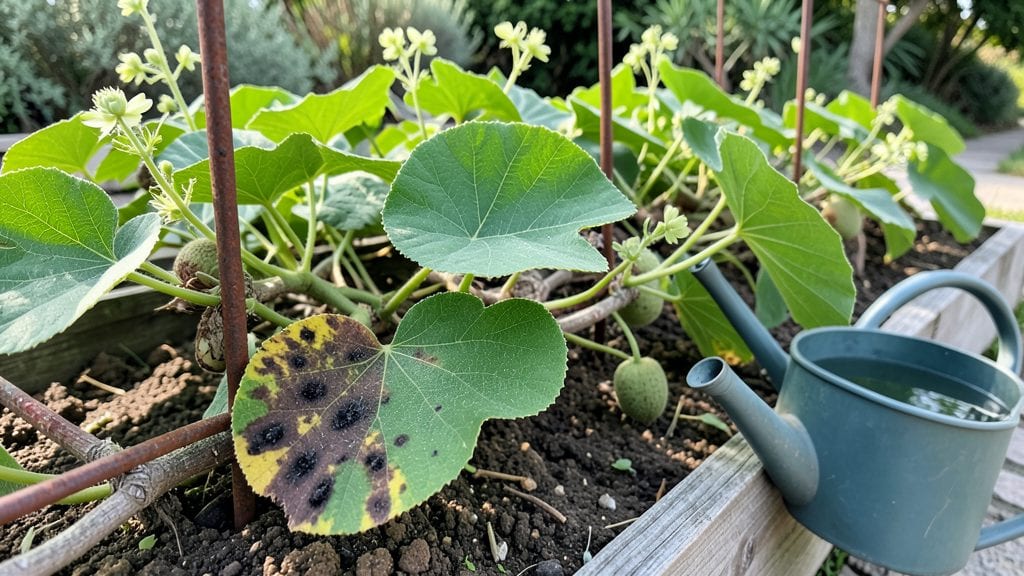
Kiwi plants fighting diseases like bacterial canker or leaf spot can feel like a losing battle—until you know the early warning signs. 🌿 I’ve seen vines go from lush to limp in weeks, but spotting symptoms fast means you can still save your harvest.
The key is acting before the spots spread or the cankers blacken.
Look for yellowing leaves, dark splotches, or weeping bark—those are your red flags. Most issues start with poor airflow or wet foliage, so pruning and proper spacing cut the risk in half.
Organic sprays like neem oil work for mildew, while copper-based treatments tackle bacterial cankers, but timing matters more than the product.
📚 In This Guide
- What you need
- Instructions
- Tips and common mistakes
- Wrapping up and next steps
What you need
- ● Pruning shears or sharp scissors – Sterilized (70% isopropyl alcohol or bleach solution) to prevent cross-contamination. Quantity: 1 pair
- ● Gloves (nitrile or latex) – Protects hands from sap, bacteria, and fungi. Quantity: 1 pair
- ● Spray bottle (16–32 oz) – For applying fungicides, bactericides, or homemade remedies. Quantity: 1
- ● Magnifying glass (10x) – Helps inspect leaves, stems, and fruit for tiny disease symptoms. Quantity: 1
- ● pH testing kit – Soil pH affects disease susceptibility (ideal range: 6.0–6.5 for kiwi). Quantity: 1
- ● Fungicide/bactericide (copper-based or neem oil) – For treating fungal/bacterial infections (e.g., Botrytis, Pseudomonas). Quantity: 1–2 bottles
- ● Disposable spray pads or paper towels – For cleaning tools and wiping sap/residue. Quantity: 1 roll
- ● Plastic bags (gallon-sized) – To collect and dispose of infected plant debris. Quantity: 5–10
- ● Notebook & pen – For tracking symptoms, treatments, and progress. Quantity: 1
- ● Digital camera – Capture symptoms for later reference or expert consultation.
- ● Soil moisture meter – Over/under-watering stresses plants, making them disease-prone.
- ● Hydrogen peroxide (3%) – Natural disinfectant for pruning tools (1:10 dilution with water).
- ● Compost bin – For safely disposing of diseased plant material (avoid adding to garden soil).
- ● Kiwi disease identification guidebook/app – Like PlantVillage or iNaturalist for quick symptom checks.
How to identify and treat common kiwi plant diseases
Kiwi vines are hardy but not immune to pests and diseases—here's how to spot issues early and stop them before they ruin your harvest.
🌿 Step 1: Recognize Early Signs of Leaf Spot Diseases
Start by inspecting the undersides of leaves for small, brown or black spots with yellow halos—this is likely anthracnose or bacterial spot, two of the most common kiwi diseases. These spots often appear first on older leaves and spread rapidly in humid conditions. I check leaves weekly after rain, since moisture triggers outbreaks.
Remove any infected leaves immediately and dispose of them in the trash (not compost). Don't toss them on the ground where spores can reinfect the plant. For mild cases, prune away affected foliage and improve airflow by spacing vines 6-8 feet apart—crowded growth traps moisture and encourages spread.
💧 Step 2: Treat Fungal Infections with Copper-Based Sprays
If you spot powdery white mold on leaves or stems, it's powdery mildew, a fungal disease that thrives in shady, damp conditions. Scrape off any white residue with your fingernail—it should wipe away easily. For treatment, mix 1 tablespoon of copper fungicide with 1 gallon of water and spray the solution on both leaf surfaces and stems.
Apply this spray in the early morning or late afternoon when temperatures are below 85°F to avoid burning the leaves. Repeat every 7-10 days until new growth appears free of powder. I also recommend pruning any heavily infected branches back to healthy tissue—this stops the fungus from spreading to the rest of the vine.
☀️ Step 3: Prevent Root Rot with Proper Drainage and Watering
Root rot is a silent killer of kiwi plants, often showing up as yellowing leaves, wilting vines, and a foul smell at the base of the plant. The culprit? Too much moisture around the roots. Check your soil's drainage by digging a 6-inch deep hole near the vine—if water pools after 30 minutes, you need to improve drainage.
For existing plants, reduce watering immediately and let the top 2 inches of soil dry out between waterings. Amend the soil with 2-3 inches of compost to improve structure, and consider adding a 4-inch layer of gravel around the base to encourage drainage. Mulch with 2-3 inches of wood chips to retain moisture without suffocating roots.
✂️ Step 4: Prune for Airflow and Disinfect Tools
Thinning out dense foliage is key to preventing disease spread. Use clean, sharp pruners to remove any branches that are crossing, rubbing, or growing inward—these create pockets where moisture lingers. Sterilize your tools between cuts by wiping them with 70% isopropyl alcohol to prevent cross-contamination.
Focus on removing branches with signs of infection, such as discolored leaves or oozing sap. Prune in late winter or early spring when the plant is dormant, and dispose of infected plant material in sealed bags. This reduces the risk of reinfection and helps the vine focus its energy on new, healthy growth.
🪴 Step 5: Monitor and Maintain Year-Round Prevention
Kiwi plants are most vulnerable in spring and fall, so I schedule monthly inspections during these seasons. Look for early signs of stress like curled leaves, stunted growth, or unusual spots. Healthy kiwi vines have glossy, dark green leaves and no visible signs of damage—any deviation from this is a red flag.
Apply a balanced fertilizer in early spring to boost the plant's natural defenses, and avoid overhead watering, which can splash spores onto leaves. Instead, water at the base of the plant early in the morning. This simple habit drastically reduces the risk of fungal infections and keeps your kiwi vine thriving for years.
Tips & tricks for kiwi plant diseases prevention
Catching kiwi plant diseases early makes all the difference between a thriving vine and a struggling one. These practical tips will help you spot problems before they take hold and treat them effectively.
Timing is Everything: In Step 1, when you're checking for leaf spots, focus on the undersides of older leaves first. I've found that these spots often appear there first, especially after rain. Make it a habit to inspect your kiwi vines weekly during humid weather—this gives you the best chance to catch issues before they spread. The 30-minute drainage test in Step 3 is crucial too; if water pools after this time, you know you've got a drainage problem that needs fixing immediately.
The Technique That Changed Everything: For powdery mildew treatment in Step 2, I've learned that timing matters just as much as the solution. Always spray your copper fungicide mixture in the early morning or late afternoon when temperatures are below 85°F. I once burned some leaves by spraying during the hottest part of the day—don't make my mistake! Also, be thorough with your coverage—spray both leaf surfaces and stems completely to prevent missed spots where the fungus could hide.
Pruning Strategy: When you're pruning in Step 4, remember that less is often more. Focus on removing only the branches that are crossing, rubbing, or showing signs of infection. I used to get aggressive with my pruning, thinking more was better, but now I know that over-pruning stresses the plant. Sterilize your tools between every cut with 70% isopropyl alcohol—this simple step prevents cross-contamination that could spread disease throughout your vine.
Preventative Maintenance: For year-round prevention in Step 5, I've found that consistency is key. Schedule those monthly inspections during spring and fall when kiwi plants are most vulnerable. Keep a small notebook nearby to jot down any changes you notice—this helps you track patterns over time. The early morning watering habit really works too; I've seen a dramatic reduction in fungal spores since I started watering at the base instead of overhead.
Pro Tips for Kiwi Plant Diseases
- Catching kiwi plant diseases early makes all the difference between a thriving vine and a struggling one.
- Timing is Everything: In Step 1, when you're checking for leaf spots, focus on the undersides of older leaves first.
- The Technique That Changed Everything: For powdery mildew treatment in Step 2, I've learned that timing matters just as much as the solution.
Frequently asked questions
Got questions about kiwi plant diseases?
You’re not alone! Here are some of the most common concerns—and how to tackle them before they ruin your harvest.
What are the most common kiwi plant diseases I should watch for?
Kiwi vines are prone to bacterial canker, powdery mildew, root rot, and vine decline. Bacterial canker (oozing cankers on branches) and powdery mildew (white, powdery patches on leaves) are the most widespread. Root rot, caused by overwatering or poor drainage, often appears as yellowing leaves and wilting vines. Act fast—prune infected areas and treat with copper fungicides or neem oil.
When is the best time to treat kiwi diseases?
Prevention is key! Treat before symptoms appear—apply fungicides in early spring (before buds swell) and late summer (after harvest) to prevent powdery mildew and bacterial canker. For root rot, improve drainage and avoid overwatering year-round. If you spot issues, act immediately: prune infected vines in dry weather and sterilize tools with rubbing alcohol.
Can I save a kiwi plant if it’s already infected?
Maybe! For bacterial canker, prune infected branches 6 inches below the lesion and disinfect cuts with copper spray. For powdery mildew, spray neem oil or sulfur-based fungicides weekly until the problem clears. However, if vine decline or severe root rot sets in, the plant may not recover—consider replacing it to prevent spread to other vines. Pro tip: Always remove and destroy heavily infected plant debris!
How do I prevent kiwi diseases naturally?
Start with healthy soil: amend with compost and ensure proper drainage. Cultural controls work wonders—space vines for airflow, avoid overhead watering (use drip irrigation), and mulch to keep roots cool. Neem oil or baking soda spray (1 tsp baking soda + 1 quart water + a drop of soap) can prevent mildew. Resistant varieties, like ‘Issai’ kiwi, are also a great low-maintenance option!
Why does my kiwi plant keep getting sick even after treatment?
Persistent issues often stem from misdiagnosis or unresolved root problems. Double-check for:
- Overwatering (yellow leaves = root rot risk)
- Poor airflow (dense foliage = mildew magnet)
- Contaminated tools (sterilize pruners between cuts!)
- Pests (aphids spread diseases—spray with soapy water)
Wrapping up and next steps
Protecting your kiwi plants from diseases doesn’t have to be overwhelming—just stay vigilant, proactive, and patient. 🌱 By recognizing early signs like leaf spots, powdery mildew, or bacterial blights, and acting with the right treatments (organic or chemical), you can keep your vines thriving.
Remember, prevention is your best tool: prune regularly, improve airflow, and monitor soil health.
Ready to take action? Start with a quick inspection of your kiwi plants today—your future harvests will thank you! 🍈 For more tips, explore our kiwi care guide or connect with local gardening communities for real-time advice.