
Diseases
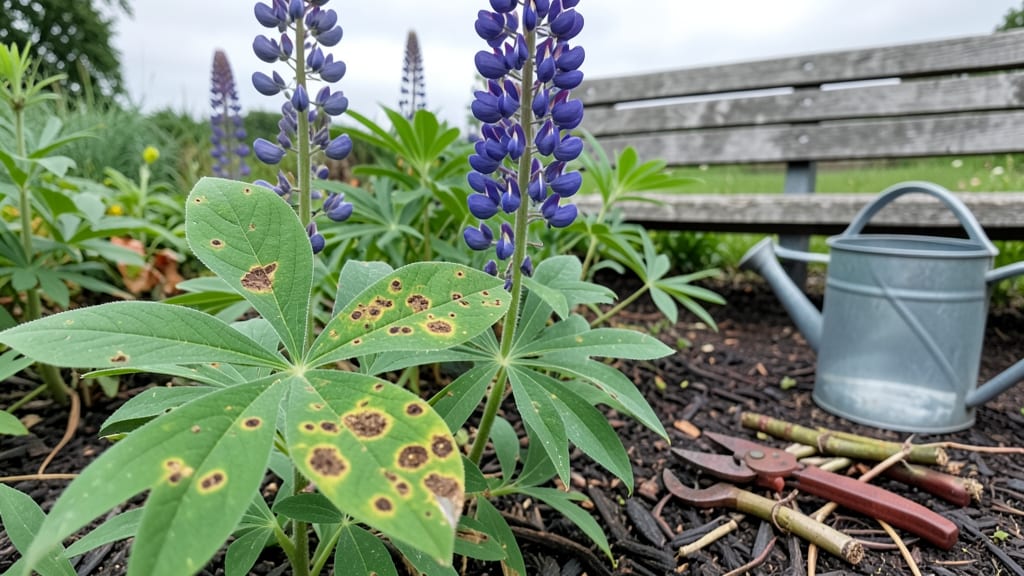
Lupine plant diseases can turn your striking blue spires into sad, yellowing shadows—unless you catch them early. 🌿 I’ve watched powdery mildew and bacterial blights ruin entire lupine beds, but the right organic treatments can bring them back to life.
The key is spotting the first signs—white fuzzy patches, blackened stems, or wilting leaves—before the problem spreads.
Most lupine diseases start with poor airflow, overwatering, or stressed plants. My lupines thrive in well-draining soil and full sun, but even the hardiest varieties need a little help when humidity spikes.
The good news? Simple fixes like neem oil sprays, copper fungicides, or pruning infected stems can stop outbreaks before they take hold. I’ve saved multiple batches of lupines using these methods alone.
You’ll learn to identify the most common threats—powdery mildew, rust, and bacterial spots—by their symptoms, then treat them with organic solutions that won’t harm pollinators. Within days, your lupines will bounce back with those signature purple-blue blooms, stronger than ever.
Prevention is easier than cleanup, and I’ll show you how to keep your plants healthy season after season.
Whether you’re dealing with a single sick plant or a whole bed, this guide covers everything from quick fixes to long-term care. No more guessing—just clear, actionable steps to revive your lupines naturally. Let’s get those plants back in fighting shape!
Root Causes Of Lupine Illnesses
Lupines (Lupinus spp.) are hardy, nitrogen-fixing plants, but their resilience doesn’t make them immune to diseases. Understanding why these issues arise helps gardeners and farmers take proactive steps. Below, we break down the key factors that trigger lupine plant diseases, from environmental stressors to biological invaders.
Lupines thrive in specific conditions, and when those needs aren’t met, their defenses weaken, inviting pathogens. Here’s what often goes wrong:
- Overwatering or Poor Drainage Lupines hate soggy roots. Excess moisture creates the perfect breeding ground for Phytophthora and Pythium—fungal pathogens that cause root rot. 💡 Pro Tip: Ensure well-draining soil (sandy loam is ideal) and avoid waterlogging, especially in clay-heavy soils.
- Extreme Temperature Swings Lupines struggle in hot, humid climates (encouraging fungal growth) or freezing winters (weakening plant tissue). Sudden temperature drops after heat stress can also shock plants, making them susceptible to Botrytis cinerea (gray mold).
- Nutrient Imbalances While lupines fix nitrogen, they still need phosphorus and potassium for robust health. A deficiency in these nutrients stunts growth, leaving plants vulnerable to diseases like powdery mildew (Erysiphe spp.). ✨ Actionable Fix: Conduct a soil test and amend with compost or organic fertilizers if levels are low.
Most lupine diseases are caused by microscopic invaders that exploit weak plants. Here’s how they strike:
| Pathogen Type | How It Attacks | Common Triggers |
|---|---|---|
| Fungal Diseases (e.g., Fusarium wilt, rust) | Spores land on leaves or roots, germinate in moist conditions, and penetrate plant tissues, blocking nutrient flow. | Overhead watering, dense foliage (poor airflow), or contaminated soil from previous infected plants. |
| Bacterial Infections (e.g., Xanthomonas leaf spot) | Bacteria enter through wounds (pruning cuts, insect bites) or natural openings (stomata), multiplying rapidly in warm, wet weather. | Rain splashing, contaminated tools, or stressed plants with open sores. |
| Viral Diseases (e.g., Tobacco mosaic virus) | Viruses spread via infected sap (from tools, hands) or insect vectors (aphids). They hijack plant cells, causing mosaic patterns or stunted growth. | Poor hygiene in gardening, nearby infected crops, or aphid infestations. |
🔥 Key Insight: Fungi and bacteria thrive in wet conditions, while viruses rely on human or insect activity for spread. Prevention starts with clean tools, proper spacing, and avoiding overhead irrigation.
Some lupine diseases don’t strike directly—they’re invited by pests that damage plants, creating entry points for pathogens. Here’s the chain reaction:
- Aphids & Spider Mites These sap-sucking insects weaken plants by draining nutrients, making them prime targets for sooty mold (a fungal growth fed by their honeydew). 🎯 Solution: Introduce ladybugs or neem oil to control infestations before they take hold.
- Root-Knot Nematodes Microscopic worms burrow into roots, causing galls that disrupt water and nutrient uptake. Infested plants become stressed and more susceptible to Fusarium or Verticillium wilt. 🌡️ Prevention: Solarize soil in summer or plant nematode-resistant lupine varieties.
- Slugs & Snails These mollusks leave ragged holes in leaves, creating wounds where Botrytis or bacterial pathogens can enter. 🔪 Quick Fix: Set up beer traps or diatomaceous earth barriers around plants.
💡 Remember: A healthy lupine is a disease-resistant lupine. Focus on integrated pest management (IPM) to break the cycle before pathogens move in.
By addressing these root causes—whether environmental, biological, or pest-related—you can prevent lupine diseases before they start. Next, we’ll explore early signs to watch for and organic treatments to restore your plants’ health.
How to solve it
Lupine plants are hardy and beautiful, but when diseases strike, they need quick, effective care—especially if you’re committed to organic solutions. Below, we’ve mapped the most common lupine plant diseases to practical fixes, including prevention tips to keep your garden thriving. 🌱💚
🍄 Fungal Issues (Powdery Mildew, Rust, Root Rot)
Fungi thrive in damp conditions, so the first step is drying things out—literally. Here’s how:
- 🌬️ Improve Airflow: Prune overcrowded lupine stems to let air circulate. Space plants at least 12–18 inches apart.
- ☀️ Boost Sunlight: If your lupines are in shade, relocate them to a sunnier spot (6+ hours of direct sun daily).
- 💦 Water Smartly: Water at the base of the plant in the morning so foliage dries by evening. Avoid overhead sprinklers.
- 🧴 Organic Fungicide Spray: Mix 1 tbsp baking soda + 1 quart water + a few drops of dish soap. Spray on leaves weekly until symptoms fade.
- 🌿 Soil Remediation: For root rot, remove infected plants and replace soil with a mix of compost and perlite to improve drainage.
💡 Prevention Tip: Mulch with straw (not wood chips) to keep soil dry without trapping moisture.
🐛 Pest-Related Fungal Spread (Aphids, Spider Mites)
Pests like aphids can weaken lupines, making them vulnerable to secondary fungal infections. Act fast:
- 💦 Blast Off Pests: Spray plants with a strong stream of water to dislodge aphids or mites. Repeat every 2–3 days.
- 🌿 Neem Oil Solution: Mix 2 tbsp neem oil + 1 tsp mild soap + 1 quart water. Spray undersides of leaves where pests hide.
- 🐝 Encourage Predators: Plant nearby marigolds or dill to attract ladybugs and lacewings, which devour aphids naturally.
- 🧹 Clean Up Debris: Remove fallen leaves or flowers where pests hide and breed.
🎯 Pro Tip: Check the undersides of leaves daily—pests often start there!
🌡️ Bacterial Leaf Spot or Stem Rot
Bacterial diseases spread like wildfire in warm, wet weather. Here’s how to contain them:
- 🔪 Prune Infected Areas: Cut off yellowed or spotted leaves/stems with sterilized scissors (wipe with rubbing alcohol between cuts).
- 🧼 Copper Fungicide: Use an organic copper-based spray (like copper soap) every 7–10 days until new growth appears.
- 🚫 Avoid Overwatering: Let the top 1–2 inches of soil dry out between waterings. Drip irrigation is better than soaker hoses.
- 🔄 Rotate Plantings: Don’t replant lupines in the same spot for 2–3 years to break the bacterial cycle.
✨ Emergency Fix: If the entire plant is infected, remove it immediately and compost it away from your garden to prevent spread.
🌱 Nutritional Deficiencies (Yellowing Leaves, Stunted Growth)
Sometimes "disease-like" symptoms are just your lupines crying out for nutrients. Fix them with:
- 💪 Soil Test First: Use a DIY test kit (available at garden centers) to check pH and nutrient levels. Lupines prefer slightly acidic to neutral soil (pH 6.0–7.0).
- 🌿 Organic Fertilizer: Apply a balanced organic fertilizer (like fish emulsion or compost tea) every 4–6 weeks during growing season.
- 🍃 Micronutrient Boost: For yellowing leaves, sprinkle Epsom salt (magnesium sulfate) around the base—1 tbsp per plant.
- 🚫 Avoid Over-Fertilizing: Too much nitrogen causes leafy growth but weakens disease resistance.
📊 Quick Fix Table:
Symptom
Likely Cause
Solution
Yellow lower leaves
Nitrogen deficiency
Add compost or blood meal
Purple stems/leaves
Phosphorus deficiency
Use bone meal or rock phosphate
Brown leaf edges
Potassium deficiency
Apply greensand or wood ash
🛡️ Prevention: Keep Lupines Healthy Long-Term
An ounce of prevention saves a pound of cure! Follow these habits to minimize disease risk:
- 🌦️ Plant in the Right Spot: Choose well-draining soil and full sun to reduce humidity around plants.
- 🌱 Start with Disease-Free Plants: Buy lupine seedlings from reputable nurseries or grow from seeds (not cuttings).
- 🧼 Sterilize Tools: Clean pruners and gloves with rubbing alcohol between uses to avoid spreading pathogens.
- 🗓️ Monitor Regularly: Check plants weekly for early signs of stress, spots, or pests.
- 🌿 Companion Planting: Pair lupines with garlic, thyme, or rosemary to deter pests and improve airflow.
🔥 Hot Tip: Preventative sprays like garlic oil or horsetail tea (applied every 2 weeks) can build lupines’ natural resistance!
Frequently asked questions about lupine plant diseases
What are the first signs of powdery mildew on lupines?
Look for white, powdery patches on the upper surfaces of leaves—they’ll start as small spots but spread quickly in humid conditions. The undersides of leaves may also develop a fuzzy texture. Catching it early lets you treat it with a simple baking soda spray before it weakens the entire plant.
Can I still save my lupines if they have bacterial leaf spot?
Yes, but act fast! Prune off infected leaves immediately with sterilized tools, then apply an organic copper fungicide every 7-10 days. Remove severely infected plants completely to prevent spread. The key is stopping the bacteria from entering new tissue—keep the area clean and avoid overhead watering.
Why do my lupines get rust disease every year?
Rust thrives in shady, damp conditions—if your lupines are planted where they get less than 6 hours of sunlight or have poor airflow, spores will overwinter and reinfect. Move them to full sun, space them wider, and apply a neem oil spray in early spring to disrupt the fungal cycle.
Is it safe to compost lupine plants with fungal diseases?
No—composting infected plants can spread spores back into your garden. Instead, bag them in a sealed plastic bag and dispose of them in yard waste. If you must compost, bury the infected material at least 18 inches deep where it won’t contaminate other plants.
How do I prevent diseases in lupines without chemicals?
Focus on prevention: plant in full sun with 12-18 inches of spacing, water at the base (never overhead), and mulch with straw. Use preventative sprays like garlic oil or horsetail tea every 2 weeks during growing season. Healthy plants resist diseases better than stressed ones!