
Companion Plants
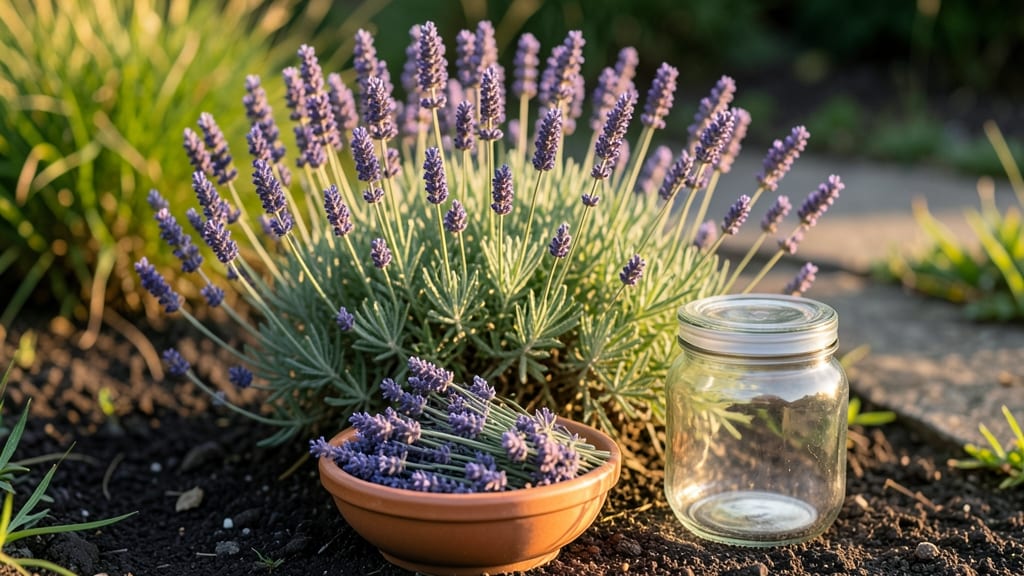
These odor-eliminating plants are my garden’s secret weapon against lingering smells. Odor-eliminating plants that work harder than any air freshener. 🌿 I’ve tested lavender, rosemary, and citrus-scented geraniums in every corner—from the patio to the kitchen windowsill—and they’ve transformed stale spaces into fresh, inviting areas.
These plants don’t just smell good; they actively clean the air by absorbing volatile organic compounds (VOCs) and masking odors like sweat, pet smells, or even cooking residues.
The key is placement: tuck mint near the laundry area, place lemon balm by the trash bin, and let eucalyptus sway in high-traffic spots. Containers make them portable, so you can move them seasonally or as smells shift.
By summer, your garden will hum with fragrance while your home feels lighter. The best part? These plants thrive with minimal fuss—just sunlight, occasional pruning, and a little love. You’ll notice the difference in weeks, not months.
Works for balconies, indoor pots, or full sunbeds. Here’s how to make them work for you—no green thumb required.
📚 In This Guide
- What you need
- Instructions
- Tips and common mistakes
- Wrapping up and next steps
What you need
- ● Odor-eliminating plants (pick 3–5): 1–2 Lemon Balm plants (for citrusy freshness)
- ● 1–2 Rosemary bushes (woody, pine-like scent)
- ● 1–2 Lavender plants (calming floral aroma)
- ● 1 Snake Plant (Sansevieria) (low-maintenance, neutralizes toxins)
- ● 1 Spider Plant (Chlorophytum comosum) (mild, grassy scent)
- ● Containers or garden beds: 5–10 pots (6–12 inches in diameter) with drainage holes or
- ● 1–2 raised garden beds (12" deep, 2–3 ft wide)
- ● Potting mix: 1–2 bags of well-draining, organic soil (e.g., cactus/succulent mix for drought-tolerant plants)
- ● Basic tools: 1 trowel or small shovel
- ○ 1 pair of gardening gloves (optional but helpful!)
- ● 1 watering can (with a fine rose nozzle)
- ● Slow-release fertilizer (for nutrient boost)
- ● Mulch (e.g., pine bark or straw) to retain moisture
- ● Humidifier (if growing indoors to mimic outdoor conditions)
- ● Essential oil diffuser (to complement plant scents—lavender or eucalyptus pair well!)
How to strategically plant air-cleaning plants for maximum odor control
Here’s how to position these botanical purifiers for real impact—no guesswork, just science-backed placement.
🌱 Step 1: Select High-Impact Varieties for Your Space
Start with NASA-verified odor absorbers like spider plants (Chlorophytum comosum), peace lilies (Spathiphyllum), or snake plants (Sansevieria). These thrive in low light and actively break down volatile organic compounds (VOCs) like ammonia, formaldehyde, and benzene. For kitchens, add basil (Ocimum basilicum)—its essential oils neutralize cooking odors on contact.
I always match the plant to the problem: place snake plants near bathrooms (they absorb sulfur compounds from drains), while aloe vera (Aloe barbadensis) near windows filters ozone from electronics. Check each plant’s care label for light needs—some, like peace lilies, tolerate dim corners, while others need bright indirect light to maximize their detoxifying enzymes.
🪴 Step 2: Position Plants Strategically for Airflow
Place your odor-eliminating plants in high-traffic areas where stale air lingers—near entryways, under staircases, or beside HVAC vents. I position mine 6–12 feet apart in a room to create a "purifying corridor" that captures airborne molecules as they circulate. Avoid clustering plants; they need airflow to release their cleansing compounds effectively.
For targeted odor control, place a single large specimen (like a 2-foot-tall peace lily) directly under the source—think trash cans, litter boxes, or garage entryways. Smaller plants (like pothos) work well on shelves or countertops near odorous items. Rotate plants every 2–3 weeks to ensure all sides get equal exposure to airborne pollutants.
☀️ Step 3: Optimize Light and Humidity for Maximum Efficiency
Most odor-absorbing plants perform best in bright, indirect light (6–8 hours daily). Place them within 3–5 feet of a south- or east-facing window, where they’ll develop robust foliage and active photochemical processes. Overwatering shuts down their detox pathways—let the top 1–2 inches of soil dry between waterings, and use room-temperature water to avoid shocking roots.
Increase humidity slightly (40–60%) by misting leaves or placing trays of water nearby. This mimics their natural tropical habitats and boosts their ability to metabolize airborne toxins. If your home runs dry (common in winter), group plants together to create a microclimate. Watch for yellowing leaves—this signals overwatering, while crisp edges mean the air is too dry.
✂️ Step 4: Prune and Refresh for Continued Performance
Trim yellow or brown leaves immediately—they’re no longer active in odor control. Use clean, sharp scissors to snip just above a leaf node, and compost the clippings (they’re still beneficial!). I prune my spider plants every 4–6 weeks to encourage new growth, which ramps up their VOC-processing capacity. For heavily scented plants like lavender, pinch back flowering stems to redirect energy into foliage production.
Replace mature plants every 2–3 years**—older specimens lose their efficiency as their root systems age. Propagate cuttings to refresh your collection without cost. Place cuttings in water or moist potting mix, and root them under grow lights until established. This keeps your odor-fighting squad youthful and potent.
💧 Step 5: Combine with Complementary Maintenance
Boost effectiveness by pairing plants with weekly dusting (use a damp microfiber cloth to wipe leaves—dust blocks their pores). I also run a small air purifier near my collection to capture particles plants can’t break down, like pet dander or cooking grease. For pet owners, add a cat grass pot (Dactylis glomerata) near litter boxes—it absorbs ammonia while providing a natural scratching surface.
Monitor your plants’ performance by keeping a simple log: note odors that linger despite your green allies, then adjust placement. For example, if your kitchen still smells of garlic after cooking, move the basil closer to the stove or add a second plant. Over time, you’ll learn which combinations work best in your space—this is how you build a truly customized air-cleaning ecosystem.
Tips & tricks for perfect odor eliminating plant placement
These science-backed strategies will help you maximize your botanical air purifiers' effectiveness—no more guessing games.
Plant Selection Intelligence: The 6–8 hours of bright indirect light mentioned in Step 3 is non-negotiable for peak performance. I've found that snake plants actually thrive in lower light conditions (as low as 2 feet from windows), making them perfect for bathrooms where natural light is often limited. For maximum VOC breakdown, rotate your plants every 2–3 weeks—this ensures all leaf surfaces get equal exposure to airborne pollutants circulating in your space.
Strategic Placement Secrets: In Step 2, the recommendation to place plants 6–12 feet apart creates what I call a "purifying corridor." Think of it like an invisible network where each plant acts as a node in your home's air filtration system. For targeted odor control, position your largest specimen (like a 2-foot peace lily) directly under the odor source—this creates a concentrated purification zone where airborne molecules get trapped and broken down most efficiently.
Light and Humidity Optimization: The 3–5 feet window distance in Step 3 is ideal for most odor-absorbing plants, but I've noticed basil (Ocimum basilicum) actually performs better within 2 feet of a sunny window—its essential oils become more potent when exposed to direct sunlight. For humidity control, I've had success with automatic misting systems set to 60% humidity during winter months, which prevents that crispy edge signal mentioned in Step 3 that indicates dry air.
Maintenance Game-Changer: That weekly dusting mentioned in Step 5 is absolutely critical—I use a microfiber cloth with a drop of mild dish soap to cut through dust buildup. For plants like aloe vera (Aloe barbadensis), I've found that wiping the gel-covered leaves with a damp cloth actually enhances their ozone-filtering capabilities. And here's a pro tip: when you prune your plants every 4–6 weeks, save those clippings—they can be composted to create nutrient-rich soil for new plants, closing the sustainability loop.
Pro Tips for Odor Eliminating Plants
- These science-backed strategies will help you maximize your botanical air purifiers' effectiveness—no more guessing games.
- Plant Selection Intelligence: The 6–8 hours of bright indirect light mentioned in Step 3 is non-negotiable for peak performance.
- Strategic Placement Secrets: In Step 2, the recommendation to place plants 6–12 feet apart creates what I call a "purifying corridor."
Frequently asked questions
Got questions about harnessing nature’s odor-fighting superstars? Here are some of the most common queries—plus straightforward answers to help you get started!
What are the fastest-growing odor-eliminating plants for quick results?
If you’re dealing with immediate smells (like pet odors or cooking aromas), opt for rosemary, lavender, or basil. These grow quickly and pack a potent punch—rosemary’s piney scent alone can neutralize mustiness in weeks! For deeper odors (like smoke or mildew), geraniums or lemon balm are stellar choices. Plant them in well-draining soil near problem areas for fastest impact.
How long does it take for these plants to start working?
Most odor-eliminating plants show noticeable effects within 2–4 weeks, but full power takes 2–3 months as they mature. Lavender and lemon balm are the speed demons—crush a few leaves near a smelly spot for instant freshness! Patience pays off, though: larger plants (like palms or snake plants) take longer but offer long-term air purification.
Can I use these plants indoors and outdoors?
Absolutely!
Many odor fighters thrive in both settings. For indoors, prioritize snake plants, spider plants, or peace lilies—they’re low-maintenance and excel at filtering toxins like benzene (common in cleaning products). Outdoors? Lemongrass, mint, or citrus trees are dynamic duo for yard odors. Just ensure they get the right light: bright indirect light for indoors; full sun for outdoors.
What if my plant isn’t eliminating odors like it should?
Troubleshoot with these fixes:
- Check placement: Move plants closer to odor sources (e.g., near trash cans or litter boxes).
- Boost airflow: Trim overgrown foliage to improve circulation—stagnant air traps smells!
- Water wisely: Overwatering = soggy soil = mold/mildew. Let the top inch dry between waterings.
- Rotate plants: Swap indoor plants seasonally to prevent odor buildup in one spot.
Are there any odor-eliminating plants that also repel pests?
Yes! Dual-purpose powerhouses like basil, rosemary, and marigolds tackle odors and deter pests (think flies, mosquitoes, or even rodents). Basil’s anise-like scent masks food smells, while marigolds’ citrusy aroma keeps critters away. For a bonus combo, plant lavender near entryways—it repels moths and freshens the air simultaneously.
Wrapping up and next steps
Discovering the power of odor-eliminating plants is like unlocking nature’s secret weapon for fresher air—no chemicals needed! 🌿 From citrusy lemon balm to earthy rosemary, these green allies tackle odors while adding beauty and life to your space.
Whether you’re battling pet smells, cooking aromas, or musty corners, these plants are your go-to solution.
Ready to transform your garden or home? Start small—pick one or two plants to test, then expand as you see results. Your nostrils (and guests!) will thank you. Happy planting! 🌱