
Pruning
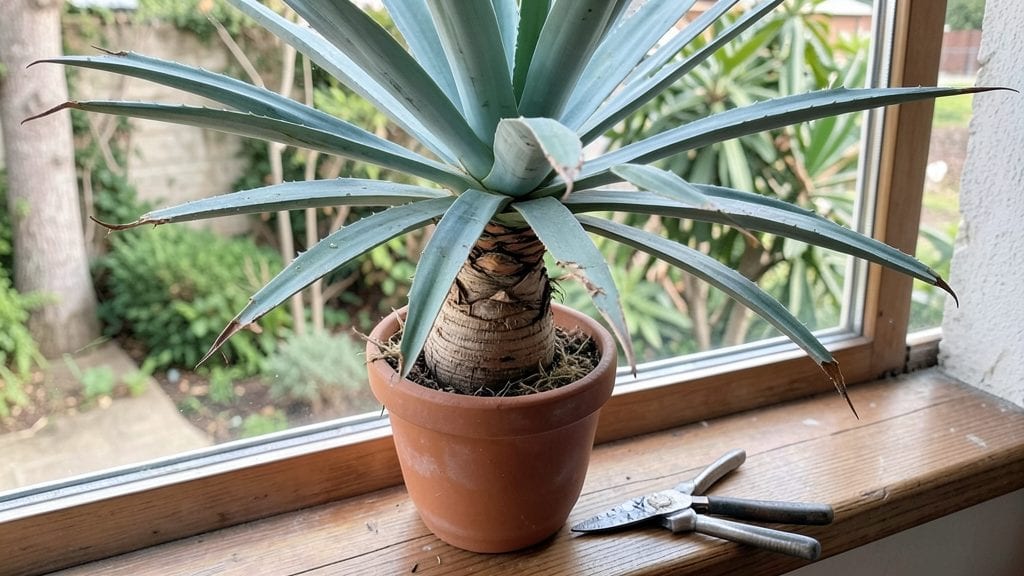
Mastering outdoor yucca plant pruning transforms your bold, architectural beauty—just three seasonal trims keep them thriving year-round.
I learned the hard way that skipping pruning turns those striking sword-like leaves into a tangled mess, but once I got the rhythm, my yucca went from "meh" to "showstopper" in just one season.
The key isn’t just cutting—it’s timing those snips to match the plant’s natural cycles, whether it’s removing dead foliage in winter or shaping growth in spring.
You’ll only need three basic tools: sharp pruning shears for clean cuts, a pair of gloves (yucca sap can irritate skin), and rubbing alcohol to sterilize your blades between cuts. Safety first: always wear gloves and eye protection—those sharp leaves pack a punch.
The best part? Pruning isn’t just about looks; it boosts airflow, prevents disease, and redirects the plant’s energy into stronger growth. Even my black-thumb neighbor nailed it after one practice session.
Start in late winter when the plant’s dormant, then repeat in early summer and fall to maintain shape. Cut dead leaves at the base, trim spent flower stalks just above a leaf node, and never remove more than one-third of the plant at once.
The result? A yucca that stays compact, produces vibrant new growth, and flowers more reliably. I’ve seen mine go from scraggly to neighborhood bragging rights in just three months of consistent care.
This method works for all outdoor yucca varieties, from the classic rostrata to dwarf types in containers. The only rule? Don’t overdo it—yuccas are tough but not indestructible.
Once you master the timing and technique, you’ll wonder how you ever lived without it. Ready to give your yucca the trim it deserves?
📚 In This Guide
- What you need
- Instructions
- Tips and common mistakes
- Wrapping up and next steps
What you need
- ● Sharp bypass pruners – Choose a pair with stainless steel blades (4-6 inches long) to make clean cuts without crushing stems.
- ● Long-handled loppers – Ideal for thicker stems (10-12 inches long with a bypass blade for precision).
- ● Heavy-duty gardening gloves – Opt for nitrile-coated or leather gloves (size medium/large) to protect against sharp edges and spines.
- ● Disinfectant (70% isopropyl alcohol or bleach solution) – 1 part bleach to 9 parts water to sterilize tools between cuts and prevent disease.
- ○ Pruning saw (optional but helpful) – For thick, woody stems (8+ inches in diameter), a bow or folding pruning saw works best.
- ● Heavy-duty trash bags or compost bin – To dispose of pruned material (yucca debris can be composted after drying for 1-2 weeks).
- ● Late-winter/early spring (growth boost trim): Hand pruners for delicate trimming of dead or damaged leaves.
- ● Garden twine or plant ties (if supporting heavy growth).
- ● Summer (maintenance trim): Hose with spray nozzle for rinsing off sap after cuts.
- ○ Slow-release fertilizer (optional) to replenish nutrients post-prune.
- ● Fall/winter (cleanup trim): Rake or stiff brush to clear fallen debris around the base.
- ○ Mulch (optional) – 2-3 inches of organic mulch (e.g., pine straw) to insulate roots.
Instructions for pruning outdoor yucca plants seasonally
Here's the straightforward approach I use to keep yuccas thriving year-round with minimal effort.
Early Spring Cleanup (Late February to Early March)
Start by removing any dead or damaged leaves from last winter. Yuccas are tough, but brown, crispy fronds detract from the plant's appearance and can harbor pests. Use clean, sharp pruning shears to cut back to healthy green growth—never leave stubs longer than ½ inch. This is also the time to trim any leggy stems that grew too long over winter.
I look for new growth emerging from the base—this is your signal that the plant is waking up. Prune just above a leaf node where new shoots can form. Avoid cutting into the central rosette unless the plant is severely damaged, as this is the growth center. If you see any yellowing leaves at the base, remove them completely to redirect the plant's energy upward.
Mid-Summer Maintenance (July to Early August)
During peak growing season, focus on shaping the plant and removing spent flower stalks. Yucca flowers are stunning but drain energy from the plant. Once the blooms fade and the stalks turn brown, cut them back to the base with clean shears. This encourages more robust foliage growth and prevents seed production, which can weaken the plant.
Check for any crossing or rubbing branches—these can create wounds where pests or diseases enter. Gently separate them if possible, or prune back until the branches grow apart. I also look for any signs of pest activity, like webbing or tiny holes in the leaves. If you spot anything, treat it immediately with horticultural oil or insecticidal soap before pruning.
Late Fall Preparation (October to Early November)
As temperatures drop, give your yucca a final trim to prepare for dormancy. Remove any dead, diseased, or weak growth, but leave the healthy foliage intact. This is the time to reshape the plant if needed, cutting back any overly long or unruly fronds. Avoid heavy pruning now—just tidy up to reduce stress before winter.
I also check the base of the plant for any pups (baby yuccas) that may have formed. If you want to propagate, carefully dig them up now and replant them in a separate location. If not, leave them be—they’ll provide backup growth if the main plant struggles. Water lightly after pruning to help the plant recover before the ground freezes.
Winter Check-In (December to February)
Yuccas are drought-tolerant, but winter can still take a toll. Inspect the plant for any new damage from frost or wind. If you notice any blackened or brittle tips, trim them back to healthy tissue. Avoid pruning in freezing temperatures—wait until the day warms up slightly to prevent shock.
This is also a good time to assess the overall health of the plant. If the center looks hollow or the leaves are thinning, it may be time to consider dividing or replacing the plant. Yuccas can live for decades, but they do slow down with age. A light application of compost around the base in early spring will give it a boost for the next growing season.
Tips & tricks for pruning outdoor yucca plants
A few simple strategies will help you keep your yucca looking its best while promoting healthy growth throughout the year.
Tool Preparation: Always disinfect your pruning shears with rubbing alcohol or a 10% bleach solution between cuts. Yuccas can harbor fungal spores and pests in their leaves, and contaminated tools spread these problems. I keep a small bottle of rubbing alcohol in my gardening toolkit specifically for this purpose—it's quick, effective, and prevents cross-contamination between plants.
Timing Secret: In Step 1, when you're removing those crispy winter leaves, look for the subtle signs of new growth at the base. The leaves will appear slightly plumper and a brighter green than the older ones. Pruning just above these emerging shoots gives your yucca the best chance to redirect its energy into fresh, vigorous growth. This is particularly important for mature plants that might otherwise struggle to recover from winter stress.
Pest Prevention: During your mid-summer maintenance in Step 2, pay special attention to the undersides of leaves where pests often hide. I've found that using a magnifying glass helps identify early signs of spider mites or scale insects that might not be visible to the naked eye. If you spot any activity, treat immediately with horticultural oil—it's less harsh than chemical sprays and works well on yuccas' tough foliage.
Winter Care Strategy: When assessing your yucca in Step 4, remember that a little frost damage is normal for winter-hardy varieties. The key is to trim back only the truly damaged portions—never remove more than 20-25% of the plant's foliage at once. This prevents shock and allows the yucca to enter dormancy with enough energy reserves to survive the cold months. I've seen yuccas recover beautifully from even significant winter damage when given proper care.
Pro Tips for Outdoor Yucca Plant Pruning
- A few simple strategies will help you keep your yucca looking its best while promoting healthy growth throughout the year.
- Tool Preparation: Always disinfect your pruning shears with rubbing alcohol or a 10% bleach solution between cuts.
- Timing Secret: In Step 1, when you're removing those crispy winter leaves, look for the subtle signs of new growth at the base.
Frequently asked questions
Got questions about keeping your yucca plant looking its best with seasonal trims? Here are some of the most common concerns—and their answers—to help you prune with confidence!
When is the best time to prune a yucca plant?
The ideal times are late winter/early spring (before new growth starts), mid-summer (to shape and control size), and early fall (to remove damaged foliage before winter). Avoid pruning in extreme heat or cold, as stress can harm the plant. Spring is the most critical trim for overall health!
How do I prune a yucca plant without killing it?
Use sterilized pruners or shears to make clean cuts at a 45-degree angle, about ¼ inch above a leaf node or joint. Never cut into the thick, woody trunk—focus on removing only dead, brown, or overgrown leaves and flower stalks. Disinfect tools between cuts to prevent disease!
Should I remove dead leaves from my yucca plant?
Yes!
Dead or brown leaves can harbor pests and diseases. Snip them off at the base with clean pruners. If the entire leaf is dry and brittle, pull it gently from the stem. Pro tip: If the leaf is still slightly green at the base, wait a few weeks—it may revive!
Do I need to prune yucca flower stalks?
You can remove spent flower stalks after blooming to encourage new growth, but it’s not mandatory. If the stalk is still green and healthy, leaving it may produce future blooms. Cut only dead or brown stalks at the base to redirect energy to the plant’s foliage.
Can I prune a yucca plant in winter?
Minimal pruning is best in winter—focus only on removing dead or diseased leaves to prevent rot. Avoid heavy trimming, as yuccas are semi-dormant and need energy to survive cold snaps. If you must prune, do so on mild days and avoid frost exposure for 24 hours afterward.
What if my yucca plant looks leggy after pruning?
Leggy growth often means the plant needs more light or a light trim to encourage bushier regrowth. After pruning, ensure it gets 6+ hours of sunlight daily and fertilize lightly in spring with a low-nitrogen option (like 5-10-10). Avoid over-fertilizing—yuccas prefer lean soil!
Wrapping up and next steps
Pruning your outdoor yucca plant isn’t just about keeping it tidy—it’s a year-round ritual that boosts health, encourages growth, and even enhances its stunning architectural beauty. 🌿 By mastering the three seasonal trims (spring, summer, and winter), you’ll ensure your yucca thrives for years to come.
Now that you’re armed with the right tools, techniques, and timing, there’s no better moment to roll up your sleeves and give your plant the care it deserves!
Ready to take action? Start by scheduling your next pruning session—whether it’s trimming back dead foliage in winter or shaping new growth in spring. Your yucca will thank you with vibrant blooms and lush foliage all season long! 🌟