How To
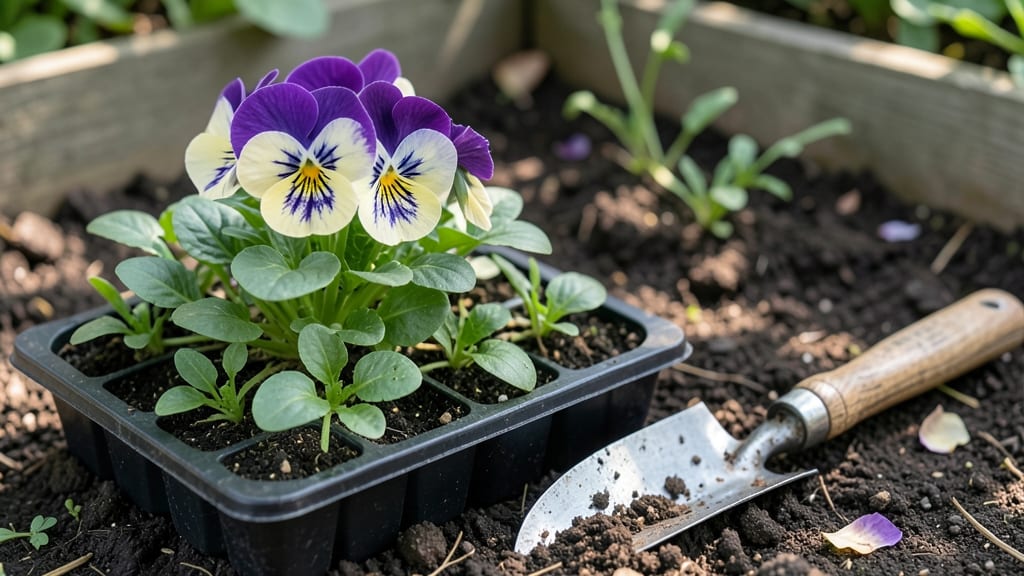
Planting pansies at the right distance 🌸 is the difference between a garden border that bursts with color and one that fades into a sad, leggy mess.
Struggling to get your pansies to thrive? The secret to bushy, vibrant blooms that last all season starts with spacing them 8 to 12 inches apart—too close, and they’ll fight for space; too far, and you’ll waste garden real estate.
This isn’t just about looks. Proper spacing keeps airflow moving, which cuts down on mildew and lets each plant soak up enough sunlight to keep blooming from spring until frost. And if you’re mixing varieties, dwarf types need less room than standard ones, so we’ll break down the exact numbers.
Here’s how to space your pansies for maximum impact—whether you’re lining a border, filling a container, or creating a mass planting that wows from March through October.


Optimal pansy planting distance by variety and growth type
Pansies are one of the most versatile cool-season flowers, but their planting distance can make or break your garden’s success. Too crowded, and they’ll compete for nutrients, leading to stunted growth and disease. Too far apart, and you’ll miss the lush, season-long blooms you planted them for. The key lies in understanding how each pansy variety and growth type responds to spacing—whether you’re planting in containers, borders, or mass plantings.
Most gardeners default to a one-size-fits-all approach, but dwarf pansies, standard varieties, and trailing types all have distinct spacing needs.
For example, trailing pansies like ‘Supertunia’ need more room to spill over edges, while bushy dwarf pansies like ‘Cool Wave’ thrive when planted tightly for a dense carpet effect. Even the container size changes the equation—what works in a 5-gallon pot fails in an in-ground bed.
Here’s the game-changer: adjusting spacing based on your climate and garden layout. In humid regions, wider spacing improves airflow and reduces powdery mildew. In dry climates, closer planting helps retain soil moisture.
And if you’re planting pansies as edging flowers, you’ll need tighter spacing than for a back-of-the-border display. Let’s break it down by variety and growth habit so you can maximize blooms without the guesswork.
| Variety Type | In-Ground Spacing | Container Spacing | Notes |
|---|---|---|---|
| Dwarf Pansies (e.g., 'Cool Wave', 'Rocket') | 6–8 inches apart | 1 plant per 6-inch pot | Ideal for borders, edging, or mass plantings. Use closer spacing for a carpet effect. |
| Standard Pansies (e.g., 'Matrix', 'Majestic Giant') | 10–12 inches apart | 1 plant per 1-gallon pot | Best for mid-border plantings. Wider spacing prevents overcrowding. |
| Trailing Pansies (e.g., 'Supertunia', 'Proven Winners') | 8–10 inches apart | 1 plant per 5–7-inch pot (hanging baskets) | Plant near edges for trailing effect. Use well-draining containers. |
| All Varieties in Humid Climates | Add 2–3 inches to spacing | Use airflow-enhancing containers | Reduces fungal diseases like powdery mildew. |
| All Varieties in Containers | N/A | 1 plant per 4–6 inches of pot diameter | Ensure drainage holes and use potting mix. |
For dwarf pansies, the 6–8 inch spacing rule is your best friend. These compact varieties, like the popular 'Cool Wave' series, are bred to stay low and bushy, making them perfect for rock gardens or window boxes.
If you’re planting them in a 5-inch pot, one plant per container is ideal—they’ll fill in quickly and create a dense blanket of color. In-ground, use a grid pattern to avoid gaps, especially if you’re mixing colors for a stained-glass effect.
When it comes to standard pansies, like the classic 'Matrix' or 'Majestic Giant', you’ll want to give them a little more room. The 10–12 inch spacing allows their larger blooms to shine without competing for sunlight or nutrients.
This spacing also makes them easier to deadhead—a critical step for prolonged blooming. In containers, opt for 1-gallon pots to give their roots room to establish before the heat of summer arrives.
Trailing pansies are the showstoppers of the group, but they need a different approach. Varieties like 'Supertunia' or 'Proven Winners' are designed to spill over edges, so plant
How to space pansies for season-long color without overcrowding
Getting your pansies to bloom continuously all season isn't just about water and sunlight—it's about strategic spacing. When planted too close, pansies compete for nutrients, leading to stunted growth and fewer blooms. But spacing them too far apart wastes garden space and creates gaps in your color display.
The key is finding that sweet spot where airflow circulates, sunlight reaches all plants evenly, and roots have room to spread without crowding.
I've learned through trial and error that pansy spacing varies by garden layout—whether you're creating a border garden, a mass planting, or filling containers. Even the variety type (dwarf, standard, or trailing) affects how much room each plant needs.
For example, trailing pansies need more space to spill beautifully over edges, while dwarf varieties can huddle closer together for a dense look. Let’s break down the exact measurements and techniques to achieve that perfect balance.
- Border Plantings: Space 6-8 inches apart for dwarf pansies or 10-12 inches for standard varieties. This creates a neat, uniform edge while allowing airflow to prevent fungal diseases.
- Mass Plantings: Use 8-10 inches spacing for a lush, continuous look. Group in 3x3 or 4x4 grids to create visual impact while maintaining even growth.
- Containers: Plant 3-4 pansies per 12-inch pot, spacing them 4-6 inches apart. Trailing varieties can be spaced 3 inches apart to maximize spillover.
- Staggered Planting: For season-long blooms, plant 1/3 of your pansies every 2 weeks starting 4-6 weeks before your last frost date. This ensures a continuous display as early bloomers fade.
- Airflow Consideration: Always leave at least 12 inches between rows to improve circulation and reduce disease risk, especially in humid climates.
One of my favorite tricks for maximizing color is to mix pansy varieties in the same bed. For instance, plant dwarf pansies in the front row (6-inch spacing) and standard varieties in the back (10-inch spacing).
This creates a tiered effect while ensuring all plants get adequate sunlight. Just be sure to group plants with similar sunlight needs together—some pansies thrive in morning sun, while others prefer afternoon shade.
Don’t forget about container gardening, which offers flexibility for small spaces. In a 12-inch hanging basket, I pack in 4-5 trailing pansies spaced 3 inches apart to create a cascading waterfall of color.
For window boxes, use 6-inch spacing to keep the look neat while allowing room for growth. Pro tip: Use a soil marker to map out your spacing before planting—it saves time and ensures precision.
Finally, stagger your planting times to extend your blooming season. If you plant one-third of your pansies every 2 weeks starting in early spring, you’ll enjoy continuous color until frost. This method also helps prevent overcrowding later in the season when plants mature.
For example, if you’re planting 50 pansies, divide them into three groups of 17 and plant each group two weeks apart. The result? A garden that looks full and vibrant from spring to fall!
With the right spacing, your pansies won’t just survive—they’ll thrive, producing bushier foliage and more abundant blooms all season long. And the best part? You’ll spend less time weeding and more time admiring your stunning garden. Happy planting! 🌸