Pruning
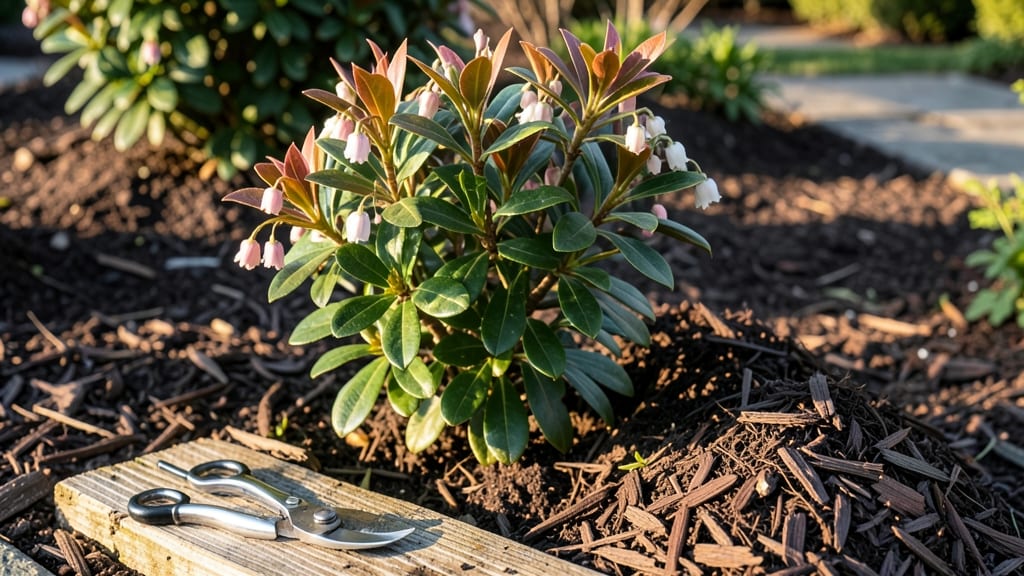
Pruning your Pieris plant 🌿 is the key to keeping it lush, blooming, and full of life every spring.
Struggling to keep your Pieris shrub blooming beautifully year after year? The secret lies in strategic pruning—timing, technique, and knowing when to cut back can transform your plant from sparse to spectacular.
Pieris plants thrive in USDA Zone 6a, and the best time to prune is right after flowering, in early spring when new growth begins. This simple step ensures your shrub stays healthy and produces those stunning spring blooms you love.
In this guide, I’ll walk you through the exact when and how to prune your Pieris, including the tools you’ll need and how to avoid common mistakes that can harm your plant.


When to prune Pieris plants for maximum blooms: seasonal timing guide
Pieris shrubs are stunning early bloomers, but their abundant flowers depend entirely on proper pruning timing. Unlike many shrubs, Pieris flowers appear on old wood—meaning last year’s growth—so cutting at the wrong time can eliminate next year’s blooms.
Understanding the ideal pruning windows is your first step to a flower-filled spring.
Most gardeners make the mistake of pruning too late, accidentally removing buds for next season. The best time to prune Pieris is late winter or early spring, just as new growth begins but before buds swell.
This timing ensures you stimulate fresh growth while preserving existing flower buds.
If you miss the spring window, you can still prune in summer or fall, but with different goals. Summer pruning focuses on light shaping and deadheading, while fall pruning should be minimal and cautious. Let’s break down the seasonal rules to keep your Pieris thriving.
| Season | Pruning Goal | When to Prune | What to Avoid |
|---|---|---|---|
| Late Winter | Stimulate new growth and shape | March-April (before buds swell) | Cutting into flower buds |
| Early Spring | Remove dead/diseased wood | April (after blooms fade) | Over-pruning young branches |
| Summer | Light shaping and deadheading | June-July (after blooming) | Heavy cuts that stimulate late growth |
| Fall | Minimal cleanup only | October (before frost) | Pruning new growth too late |
The late winter/early spring window is critical because Pieris flowers form on old wood during the previous summer. Pruning too early can remove next year’s blooms, while waiting too long risks damaging new growth. Aim to finish pruning by mid-April in most USDA Zone 6a regions.
If you notice overcrowded branches or dead wood after blooming, you can do light pruning in early summer. Focus on removing spent flowers (deadheading) to encourage new growth and maintain shape. Avoid heavy pruning, as it can weaken the shrub before winter.
Fall pruning should be minimal and cautious. Only remove diseased or broken branches—never shape or thin. Pieris enters dormancy in fall, and late cuts can stimulate tender growth that won’t survive frost. Wait until after the first frost to tidy up.
For young Pieris plants (under 3 years old), prune lightly to encourage bushier growth. Focus on removing only dead or crossing branches. Avoid heavy pruning, as it can delay flowering for 1-2 years. Patience is key—let young shrubs establish before aggressive shaping.
Pro tip: Mark your calendar for March 15-April 15 as your primary pruning window. This gives you a 2-week buffer to prune before flower buds swell. If you’re unsure, prune early—you can always shape more later, but you can’t regrow lost buds.
Remember, Pieris blooms on old wood, so timing is everything. By following these seasonal rules, you’ll ensure your shrub stays healthy, lush, and covered in flowers year after year. Happy pruning!
Step-by-step Pieris pruning techniques: how to cut for health and abundant flowers
Pruning your Pieris japonica or Pieris floribunda isn’t just about shaping—it’s about encouraging vibrant blooms and healthy growth. When done right, you’ll see denser foliage and longer-lasting flowers. The key? A structured approach that balances thinning, deadheading, and rejuvenation without overdoing it.
Pieris shrubs bloom on old wood, meaning last year’s growth produces this year’s flowers. Cutting too late or too aggressively can reduce next season’s blooms. My foolproof method focuses on timing, tool selection, and strategic cuts to keep your plant thriving.
Let’s dive into the steps that’ll transform your Pieris into a blooming powerhouse.
🌿 Step-by-Step Pieris Pruning Guide
-
Step 1: Gather the Right Tools
Use sharp, clean pruners (bypass pruners for branches 1/4-inch thick) and sterilized loppers for thicker stems. Disinfect tools with rubbing alcohol to prevent disease spread. -
Step 2: Remove Dead or Damaged Wood
Start by cutting out dead branches (no green leaves) and diseased stems at the base. Look for blackened or mushy wood—these are red flags for fungal infections. -
Step 3: Thin Out Crowded Branches
Focus on inner branches that cross or rub against others. Remove 1/3 of the oldest wood to improve airflow and light penetration. Aim for an open, vase-like shape. -
Step 4: Deadhead Spent Blooms
After flowering (late spring), trim faded flower clusters back to the nearest leaf node. This redirects energy to new growth and prevents seed formation. -
Step 5: Rejuvenate Older Shrubs
If your Pieris is overgrown or leggy, prune 1/3 of the oldest stems to the ground in early spring. This encourages vigorous new shoots and restores youthfulness. -
Step 6: Shape for Aesthetics
Lightly trim overlong branches to maintain your desired shape. Use hand pruners for precision and avoid heavy-handed cuts that can shock the plant. -
Step 7: Clean Up and Mulch
Rake up pruned debris to prevent pests and diseases. Apply 2-3 inches of mulch around the base to retain moisture and protect roots.
After pruning, your Pieris will need extra care to bounce back. Water deeply in the morning to reduce stress, and avoid fertilizing until new growth appears (usually in 4-6 weeks). This gives the plant time to recover without competing with nutrients.
One of the biggest mistakes I see is pruning too late in the season. If you wait until summer or fall, you risk cutting off next year’s flower buds.
Stick to late winter or early spring for the best results. With these steps, your Pieris will reward you with lush foliage and show-stopping blooms for years to come.
Pro tip: Take before-and-after photos of your pruning progress. It’s amazing how a few strategic cuts can transform a tired-looking shrub into a vibrant garden star! 🌸