Trees
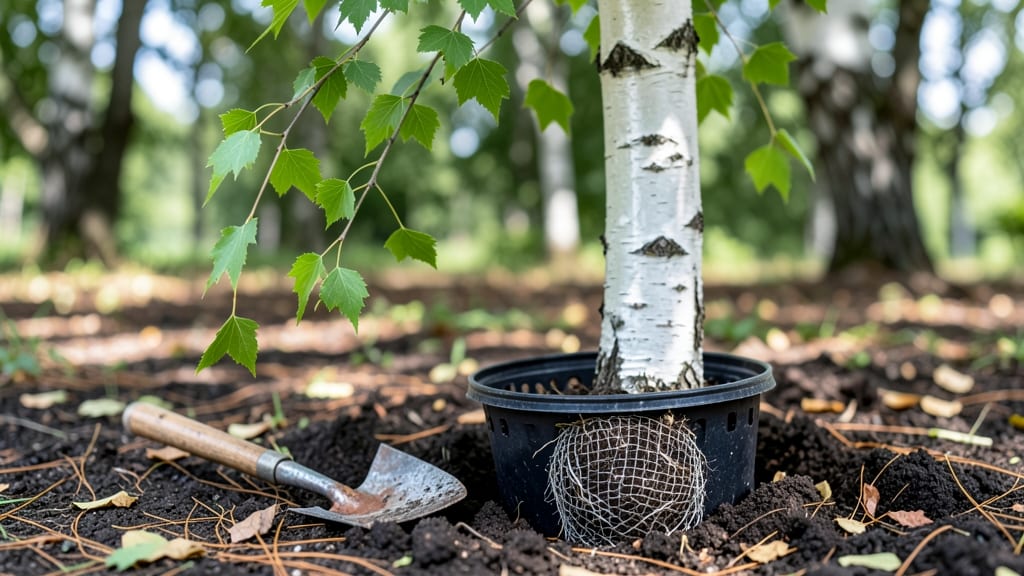
Planting birch trees transforms any yard into a serene woodland retreat with their iconic white bark and graceful branches. 🌿 I planted mine last spring, and within months, the delicate leaves created a dappled shade that made our patio feel like a secret garden.
The key is choosing the right spot—birches thrive where they get morning sun and afternoon shade, but they’re surprisingly adaptable to different soil types.
You’ll need a few essentials: a young birch tree (3-5 feet tall), a shovel, compost, and mulch. Dig a hole twice as wide as the root ball but no deeper, then mix in some compost to give your tree a nutrient boost.
Birches have shallow roots, so avoid planting too deep, which can lead to rot. Spacing matters too—give each tree at least 15-20 feet of room to grow without competing for sunlight or water.
The first year is all about patience and consistency. Water deeply once a week (more if it’s dry), keeping the soil moist but not soggy. A 3-inch layer of mulch around the base helps retain moisture and protects the roots from temperature swings.
By summer’s end, you’ll see new growth signaling your birch is settling in—just like the one in my backyard that’s now taller than me.
Birches do best in USDA Zones 2-6, but container planting works for warmer climates. Just move pots to a sheltered spot in winter. The biggest mistake? Skipping soil prep or overwatering.
With the right care, your birch will grow into a stunning focal point that adds year-round interest, whether it’s the fresh green of spring or the snowy white bark in winter.
📚 In This Guide
- What you need
- Instructions
- Tips and common mistakes
- Wrapping up and next steps
What you need
- ● Birch tree seedlings or saplings: Choose Betula papyrifera (paper birch) or Betula pendula (European white birch), depending on your climate. Buy 3–5 plants for a small grouping or more for larger spaces.
- ● Shovel or spade: A 10–12 inch-wide digging tool for planting holes (rent or borrow if needed).
- ● Garden gloves: Heavy-duty gloves to protect your hands from sharp roots and rough bark.
- ● Mulch: 2–3 cubic feet of organic mulch (pine straw, wood chips, or shredded bark) to retain moisture and suppress weeds.
- ● Watering can or hose: A 1–2 gallon watering can or a hose with a gentle spray nozzle for hydration.
- ○ Soil amendment (optional but helpful): A 5–10 pound bag of compost or peat moss if your soil is poor or clay-heavy.
- ● Stakes and twine (for young saplings): 2–3 stakes per tree (4–6 feet tall) and 10–15 feet of twine to provide support in windy areas.
- ● Tree guard or protective wrap: Helps prevent rodent damage to young bark (especially for paper birch).
- ● Post-hole digger: If planting in rocky or compacted soil for deeper holes.
- ● Soil pH tester: Birch trees prefer slightly acidic to neutral soil (pH 5.0–7.0).
- ● Slow-release fertilizer: A 10–20 lb bag of balanced fertilizer (10-10-10) to give your birch a nutrient boost.
- ● Pruning shears: For trimming dead or damaged branches post-planting.
Step-by-Step instructions for planting birch trees
Here's how to plant birch trees for that signature white bark and graceful shade—without the common pitfalls.
🌱 Step 1: Choose the Right Location and Time
Birch trees thrive in partial shade to full sun, but their delicate bark needs protection from harsh afternoon rays. I always plant mine where they’ll get morning sun and afternoon shade, especially in hotter climates. The best time to plant is early spring or fall, when temperatures are cool and the ground isn’t frozen. Avoid planting in summer heat—birch roots struggle to establish when stressed.
Test the soil pH before planting—birches prefer slightly acidic to neutral soil (pH 5.0-7.0). If your soil is heavy clay, amend it with 2-3 inches of compost mixed into the top 12 inches of soil. This improves drainage, which birches need to avoid root rot. Dig a hole twice as wide as the root ball but only as deep as the container or root system.
🪴 Step 2: Prepare the Plant and Hole
Remove the birch tree from its container and gently loosen the roots if they’re circling. You’ll know they’re root-bound if you see roots growing in tight loops—use your fingers to tease them apart. This prevents girdling as the tree matures. Place the tree in the hole so the top of the root ball sits level with the surrounding soil—never deeper, or the tree will suffocate.
Backfill the hole with the native soil you removed, tamping it down lightly in 2-inch layers to eliminate air pockets. Water deeply after each layer to settle the soil and eliminate gaps. Avoid compacting the soil too firmly, or you’ll restrict root growth. Once planted, create a 2-inch-high berm of soil around the base to help direct water toward the roots during irrigation.
💧 Step 3: Water and Mulch for Retention
Water the newly planted birch deeply right after planting—aim for 1-2 gallons depending on the tree’s size. This helps settle the soil and encourages root expansion. After watering, apply 2-3 inches of mulch (like wood chips or shredded bark) around the base, keeping it 3-4 inches away from the trunk to prevent rot. Mulch retains moisture and regulates soil temperature, which is critical for young birch trees.
Water once a week for the first month, then every 10-14 days thereafter, unless rainfall provides 1 inch of moisture. Birches are drought-tolerant once established, but young trees need consistent moisture to develop strong roots. Check soil moisture by sticking your finger 2 inches deep—if it’s dry, water thoroughly. Avoid overhead watering, which can promote fungal diseases on the bark.
☀️ Step 4: Provide Support and Monitor Growth
Young birch trees have shallow roots and can be top-heavy, especially in windy areas. If your tree is taller than 6 feet, stake it temporarily using two stakes placed 6-12 inches from the trunk and tied loosely with soft fabric strips (never wire, which can damage the bark). Remove stakes after 1-2 years once the tree establishes a stronger root system.
Watch for new leaf growth in the first 4-6 weeks—this confirms the tree is thriving. If leaves appear yellow or wilted, it’s often a sign of overwatering or poor drainage. Birches are sensitive to soggy soil, so ensure the planting site has well-draining soil. Prune only to remove dead or damaged branches in the first year; avoid heavy pruning, which stresses young trees.
⏰ Step 5: Long-Term Care for Mature Trees
Once established, birch trees need minimal care but benefit from annual mulch top-ups in early spring. Focus on watering during prolonged dry spells—mature birches can survive drought but may develop bark cracks if stressed. Fertilize lightly in early spring with a balanced, slow-release fertilizer (10-10-10) if growth appears stunted, but birches rarely need heavy feeding.
Inspect the bark annually for cankers or signs of birch borers, which can weaken the tree. If you spot small holes or sawdust-like frass, treat with neem oil or contact a local arborist. Birches are generally low-maintenance, but their peeling bark is a signature feature—never paint or seal it, as this traps moisture and promotes rot. With proper planting and care, your birch will develop that iconic white bark and provide shade for decades.
Tips & tricks for planting birch trees
These simple strategies will help you avoid common mistakes and give your birch trees the best possible start for that stunning white bark and strong growth.
Location is Everything: I can't stress this enough—birch trees need that perfect balance of morning sun and afternoon shade. If you're in a hot climate, consider planting on the north or east side of your property where the afternoon sun won't scorch their delicate bark. Trust me, this one detail makes all the difference in getting that signature white bark to develop properly.
Root Preparation Matters: When you're teasing apart those circling roots in Step 2, don't rush it! Take your time to gently separate them all the way around the root ball. I've seen too many birches struggle because someone missed a few tight loops. This step prevents girdling as your tree matures, which can be fatal. Use your fingers—no need for tools that could damage the roots.
Watering Wisdom: That first deep watering after planting (1-2 gallons) is crucial, but don't overdo it. The key is to water deeply but infrequently—once a week for the first month, then every 10-14 days. I check soil moisture by sticking my finger 2 inches deep; if it's dry, that's when I water. Overwatering is actually more dangerous than underwatering for birches, as they're sensitive to soggy soil.
Mulch Like a Pro: Apply that 2-3 inches of mulch (wood chips work great) around the base, but keep it 3-4 inches away from the trunk. This might seem like a small detail, but proper mulching regulates soil temperature and prevents rot at the base. I always add a fresh layer each spring—it's one of those small maintenance tasks that pays off big time with healthier trees.
Pro Tips for Planting Birch Trees
- These simple strategies will help you avoid common mistakes and give your birch trees the best possible start for that stunning white bark and strong growth.
- Location is Everything: I can't stress this enough—birch trees need that perfect balance of morning sun and afternoon shade.
- Root Preparation Matters: When you're teasing apart those circling roots in Step 2, don't rush it!
Frequently asked questions
Got questions about planting birch trees? You’re not alone! Here are answers to the most common concerns—from timing to troubleshooting—to help you grow thriving white-barked beauties with confidence.
When is the best time to plant birch trees?
Spring or early fall (before the first frost) are ideal. Birch trees establish roots best in cool, moist soil—avoid planting in scorching summer heat or freezing winter months. If you must plant in late fall, choose a mild-climate zone and mulch heavily to protect roots.
How far apart should I space birch trees?
Space birch trees 15–25 feet apart for mature growth, depending on the variety. Paper birch (Betula papyrifera) stays compact (~20 ft tall), while yellow birch (Betula alleghaniensis) can reach 70+ ft. Check your species’ mature height to plan spacing—thinner spacing risks overcrowding and disease.
Do birch trees need full sun, or can they tolerate shade?
While birch trees love full sun (6+ hours daily), they’re shade-tolerant once established—perfect for understory planting! Young saplings thrive in partial shade (3–6 hours of sun), but expect slower growth. For white-barked brilliance, prioritize sun exposure in their early years.
Why are my birch tree leaves turning yellow or brown?
Yellowing leaves often signal overwatering, nutrient deficiency, or fungal issues. Check soil moisture—birch trees prefer well-draining soil. Brown edges? It could be drought stress or birch leaf spot (a common fungal disease). Prune affected branches, improve airflow, and apply copper fungicide if needed.
Can I grow birch trees in containers, or do they need ground planting?
Birch trees aren’t ideal for containers long-term—their roots grow aggressively and need deep soil. However, young saplings (1–2 years old) can thrive in large pots (15+ gallons) for 1–2 seasons. Use fast-draining mix and upgrade to ground planting ASAP to avoid root-bound stress.
Are birch trees prone to pests, and how do I prevent them?
Birch trees attract bronze birch borers (a deadly beetle) and aphids. Prevent pests by:
Wrapping up and next steps
Planting birch trees is a rewarding way to add elegance, shade, and resilience to your landscape—whether you’re a seasoned gardener or just starting out. 🌳 Their white bark and adaptability make them a stunning, low-maintenance choice, especially in cooler climates.
With the right soil, spacing, and care, your birch trees will thrive for decades, offering beauty and practical benefits.
Ready to get started? Pick your variety, gather your tools, and plant with confidence! For extra success, consider consulting local nurseries or tree experts to tailor your approach to your specific climate. Happy planting—your future shade (and Instagram-worthy scenery) awaits! ✨