Planting
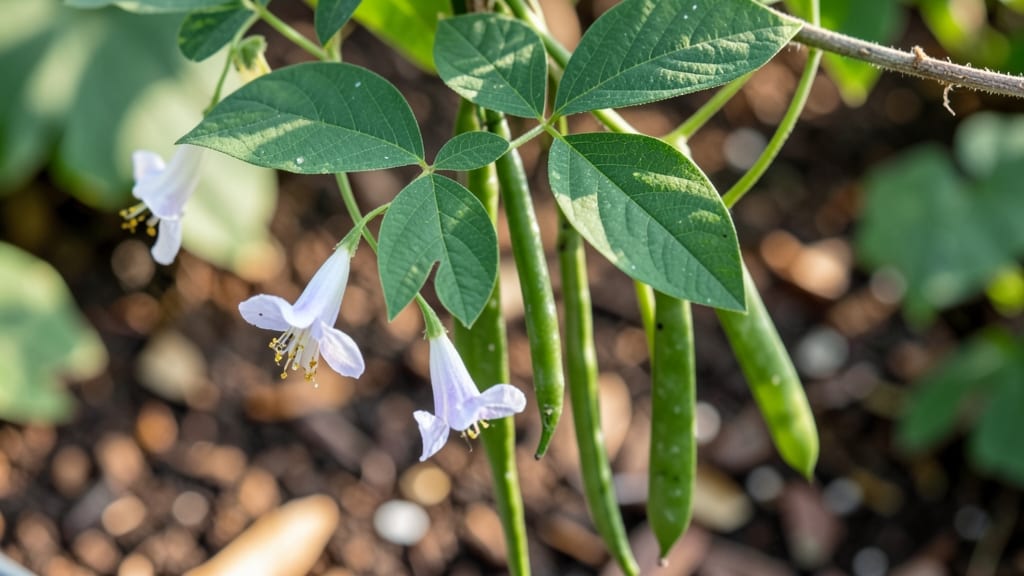
The snake bean plant thrives from seed to table in just 60 days, offering one of the fastest—and most dramatic—rewards in the garden. 🌱 I learned the hard way that these vines don’t just grow quickly—they explode upward, smothering weeds and producing beans. before most summer crops even think about flowering.
The secret isn’t just speed, though; it’s their ability to thrive in poor soil and with minimal water once established.
Start with a sunny spot—these vines demand at least 6-8 hours of direct sunlight daily—and work in compost or well-aged manure before planting. Unlike fussy crops, snake beans tolerate sandy or rocky soil as long as drainage isn’t terrible.
Plant seeds 1 inch deep, 4-6 inches apart, and watch them sprout in 5-10 days if temperatures stay above 60°F. The real magic happens when you let them climb: trellises or sturdy stakes keep vines off the ground, preventing rot and making harvesting easier.
You’ll harvest your first beans just 8-10 weeks after planting, and with proper care, the vines keep producing for months. The beans taste best when picked young and tender—think crisp, green pods with a snap.
Even better, these plants are drought-tolerant once established, meaning you’ll spend less time watering and more time enjoying the harvest. The only downside? They will sprawl if unchecked, so plan your space accordingly.
Here’s the kicker: snake beans grow in zones 3-11, making them one of the most adaptable summer crops. Whether you’re in a hot desert climate or a cooler mountain region, these vines deliver fast, reliable harvests with almost no fuss.
Ready to try them? Let’s get those seeds in the ground.
📚 In This Guide
- What you need
- Instructions
- Tips and common mistakes
- Wrapping up and next steps
What you need
- ● Snake Bean Seeds: 1–2 lbs (or ~200–400 seeds) – Choose heirloom or disease-resistant varieties like ‘Black Seeded’ or ‘Yard Long’.
- ● Growing Space: Outdoor: 6–8 ft of trellis, fence, or stakes per plant (snake beans climb!).
- ● Container: 5-gallon pots or larger (if growing in pots, ensure drainage holes).
- ● Well-Draining Soil: Mix garden soil with compost (ratio 3:1) or use potting mix for containers. Aim for a pH of 6.0–7.0.
- ● Watering Can or Hose: With a gentle spray nozzle for consistent moisture.
- ● Fertilizer: Balanced organic fertilizer (10-10-10) or compost tea. Apply at planting and every 4–6 weeks.
- ● Mulch: Straw or shredded leaves (2–3 inches) to retain soil moisture.
- ● Garden Trowel or Transplanter – For planting seeds or seedlings.
- ● Pruning Shears – To trim vines and encourage bushier growth.
- ● Trellis or String System – For vertical growth (bamboo stakes or netting work great!).
- ● Plant Markers – To label varieties and track progress.
- ○ Shade Cloth (Optional) – For hot climates to protect young plants.
- ● Harvest Basket or Scissors – For picking beans at peak freshness.
Step-by-Step instructions for planting snake beans
Here’s how to grow these speedy climbers—from soil to harvest in just 60 days.
🌱 Step 1: Choose the Perfect Spot and Prep the Soil
Snake beans thrive in full sun—at least 6-8 hours daily. I always pick the warmest, sunniest corner of my garden because they wilt fast in shade. The soil should drain well but hold moisture; if yours is heavy clay, mix in 2-3 inches of compost to loosen it up.
Work the soil to a depth of 12 inches, breaking up any clods. Snake beans hate soggy roots, so if your area floods, build a mound 6-8 inches high to improve drainage. A quick test: Grab a handful of soil—if it forms a tight ball when squeezed, you need more organic matter.
🌿 Step 2: Plant Seeds at the Right Depth and Spacing
Drop 3-4 seeds per hill, spacing hills 6-8 inches apart in rows 18-24 inches apart. Plant them 1 inch deep—any deeper and they’ll struggle to emerge. I like to plant in small groups because snake beans are prolific vines, and thinning later saves time.
Water gently right after planting to settle the soil around the seeds. Avoid soaking the area—you want the soil moist but not waterlogged. If you’re using a trellis or stakes, install them now so the vines have support from day one. Watch for sprouts in 7-10 days if temperatures stay above 60°F.
☀️ Step 3: Provide Support and Water Consistently
As soon as the first true leaves appear, guide the vines onto their trellis or stakes. Snake beans grow aggressively—without support, they’ll sprawl everywhere. I tie the main stems loosely with soft twine or old fabric strips every 3-4 feet to keep them climbing straight.
Water deeply 1-2 times per week, aiming for 1 inch of water per week. Let the top 2 inches of soil dry out between waterings—this prevents blossom-end rot and keeps pods from cracking. Mulch around the base with 2-3 inches of straw or grass clippings to retain moisture and suppress weeds.
✂️ Step 4: Harvest Regularly for Nonstop Production
Start harvesting when pods reach 6-8 inches long but before they toughen up. I pick every 2-3 days in peak season—this encourages more flowers and pods. Use sharp scissors or your fingers to snap them cleanly at the stem. The more you harvest, the faster the plant produces.
If you miss a pod and it swells too large, the beans inside will toughen. Don’t let them turn woody—this signals the plant’s energy is shifting to seed production instead of new growth. A quick trick: Pinch off any flowers when you’re not ready for harvest; this redirects the plant’s focus to existing pods.
🌱 Step 5: Extend the Season with Simple Tricks
For year-round harvests, start a new batch every 2 weeks in warm climates. In cooler areas, plant in late spring after the last frost and again in early summer. If frost threatens, cover plants with a lightweight row fabric at night—they’ll bounce back if protected.
Snake beans are heat-lovers, so if summer temperatures dip below 50°F, growth slows. In these cases, I move containers to a sheltered spot or use a cold frame. With the right timing, you can enjoy fresh pods from early summer straight through fall.
Tips & tricks for perfect snake bean planting
Real talk: These speedy vines deliver on their promise of fast harvests—but only if you nail a few key details. Here's what nobody tells you about growing snake beans like a pro.
Sunlight is Non-Negotiable: That 6-8 hours of full sun isn't just a suggestion—it's the difference between thriving plants and sad, leggy vines. I've seen snake beans wilt dramatically when moved to partial shade, even after weeks of growth. Position your trellis where it gets direct morning sun and afternoon light for best results.
Soil Prep Makes All the Difference: Don't skip the 12-inch soil depth preparation in Step 1. I learned this the hard way after planting in compacted soil—my beans struggled to root properly and produced fewer pods. The mound trick for flood-prone areas is a game-changer too; it creates instant drainage without requiring major landscape changes.
Timing is Everything for Sprouts: Those 7-10 days to germination only apply when soil stays above 60°F. If your nights dip below this, move your seeds to a warm spot (like a sunny windowsill) until they sprout. I've had seeds take 3 weeks to emerge when planted too early in cool spring conditions.
Harvest Hack for Continuous Production: The 2-3 day harvest cycle in Step 4 isn't just about timing—it's about plant psychology. When you pick consistently, you're telling the plant "keep producing more!" I've doubled my yield by harvesting every other day during peak season. And that flower-pinching trick? It actually works—my plants focus all their energy on existing pods when I remove new flowers.
Pro Tips for Snake Bean Plant
- Real talk: These speedy vines deliver on their promise of fast harvests—but only if you nail a few key details.
- Sunlight is Non-Negotiable: That 6-8 hours of full sun isn't just a suggestion—it's the difference between thriving plants and sad, leggy vines.
- Soil Prep Makes All the Difference: Don't skip the 12-inch soil depth preparation in Step 1.
Frequently asked questions
How long does it take for snake beans to mature and produce pods?
Snake beans are fast growers! From planting, expect pods in 50–60 days in warm climates or 60–75 days in cooler zones. Harvest young pods (6–8 inches long) for tender, string-free beans. The more you pick, the more your plant produces—so stay consistent!
Can snake beans survive frost? What’s the best time to plant them?
Snake beans are tropical lovers—they cannot tolerate frost and thrive in warm soil (70°F+). Plant after the last frost date in spring or wait until summer for a fall harvest. In short growing seasons, opt for fast-maturing varieties (like ‘Black Valentine’) or grow them in containers to move indoors if needed.
What pests or diseases should I watch for, and how do I prevent them?
Common threats include bean beetles, aphids, and powdery mildew. Prevention tips:
- Rotate crops annually to avoid soil-borne diseases.
- Use row covers early in the season to deter pests.
- Water at the base (avoid wetting leaves to prevent mildew).
- Handpick pests or spray neem oil for organic control.
Can I grow snake beans in containers? What’s the ideal pot size?
Snake beans are perfect for containers—just ensure the pot is at least 12–18 inches deep and 12 inches wide per plant (or 2 plants in a 5-gallon bucket). Use well-draining soil, trellis them vertically, and place in full sun (6+ hours/day). Containers work great for balconies or small spaces!
Are snake beans easy to cook with? Any tips for preparing them?
Yes! Snake beans are versatile and low-maintenance in the kitchen. Quick prep tips:
- Blanch young pods (2–3 mins in boiling water) for a crisp texture.
- Sauté with garlic, chili, and coconut milk for a Thai-inspired dish.
- Add to stir-fries or salads for a peppery, nutty crunch.
- Freeze excess pods by blanching first—great for off-season cooking!
Wrapping up and next steps
Growing snake bean plants is a rewarding adventure that brings fresh, nutritious harvests to your table in record time! With their fast-growing vines and year-round potential, these resilient plants are perfect for beginners and seasoned gardeners alike.
Whether you’re planting in containers or sprawling rows, the key is patience, proper care, and a little creativity—like trellising or companion planting—to maximize your yield.
Ready to dig in? Start small with a few seeds, experiment with varieties, and soon you’ll be enjoying homegrown beans straight from your garden. Happy planting—and here’s to your first bountiful harvest! 🌱✨