Planting
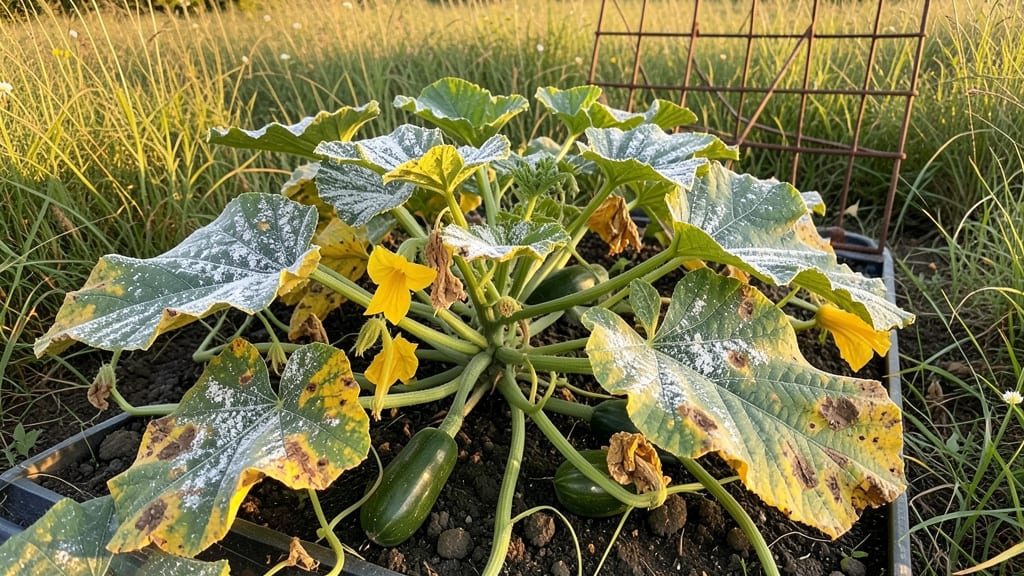
Squash plant problems like yellow leaves and blossom end rot can turn your harvest dreams into frustration—until you know the quick fixes. 🌱 I’ve lost entire vines to these issues, but now I spot them early and stop them fast with simple adjustments.
The key is acting before the damage spreads, whether it’s adjusting water or treating powdery mildew before it chokes your plants.
Yellow leaves usually mean overwatering or nutrient imbalance, while blossom end rot screams calcium deficiency or inconsistent moisture. Both problems start small—check the undersides of leaves for mildew or the fruit for sunken spots—and fix them before they ruin your crop.
Most fixes take less than 15 minutes and use supplies you already have.
With the right approach, you’ll save your plants and still get that bounty of zucchini and pumpkins. I’ve gone from panicking over wilting vines to confidently troubleshooting issues before they take over. The secret? Prevention first, then quick action when problems pop up.
This works for all squash varieties—bush, vining, summer or winter types—and in any growing setup, from raised beds to containers. Let’s get those plants back on track before the season slips away.
Root Causes Behind Squash Struggles
Squash plants are resilient, but when they start showing signs of distress—like yellowing leaves or deformed fruit—it’s usually a clear signal that something’s off. Understanding why these issues pop up is half the battle.
Below, we break down the science behind the most common squash plant problems and what triggers them.
Squash plants thrive in well-drained soil, and when they’re sitting in soggy conditions, their roots suffocate. Why does this happen?
- Excess moisture disrupts oxygen flow to roots, leading to root rot (a fungal infection caused by Phytophthora or Pythium).
- Compacted or clay-heavy soil traps water, preventing roots from absorbing nutrients efficiently.
- Overzealous watering (especially without checking soil moisture) can drown plants, causing yellowing leaves and stunted growth.
💡 Pro Tip: Stick your finger 1–2 inches into the soil—if it’s damp, wait before watering again. Raised beds or containers with drainage holes can prevent waterlogging.
Squash plants are heavy feeders, and if the soil lacks key nutrients, they’ll show it fast. Here’s the science:
- Nitrogen deficiency (pale yellow leaves, stunted growth) occurs when soil lacks organic matter or nitrogen-rich amendments.
- Magnesium deficiency (yellowing between leaf veins) happens when soil pH is too high or calcium/magnesium levels are low.
- Blossom end rot (black, mushy spots on fruit) is often linked to calcium deficiency, but it’s usually caused by inconsistent watering or poor calcium uptake, not just a lack of calcium in the soil.
🌡️ Fix It: Test your soil (pH 6.0–6.8 is ideal for squash) and amend with compost, aged manure, or a balanced fertilizer (10-10-10 or 5-10-10). For blossom end rot, apply calcium-rich treatments like crushed eggshells or a calcium nitrate spray.
Squash plants are a buffet for pests and pathogens. Here’s what’s likely attacking yours:
- Powdery mildew (white, powdery fungus) thrives in humid, shaded conditions and blocks sunlight, causing yellowing leaves.
- Squash vine borers (larvae that tunnel into stems) disrupt nutrient flow, leading to wilting and yellowing.
- Aphids and spider mites sap plant juices, weakening leaves and causing them to curl or yellow.
🔥 Preventative Action: Space plants for airflow, avoid overhead watering, and use row covers early in the season. For borers, wrap stems with cardboard collars to deter egg-laying.
Squash plants are sensitive to their surroundings. Common triggers include:
- Extreme heat or drought causes leaves to yellow or wilt as the plant conserves water.
- Cold snaps or frost damage tender leaves, leading to brown or yellow patches.
- Poor sunlight (less than 6–8 hours daily) weakens photosynthesis, resulting in pale, yellowing foliage.
✨ Solution: Mulch to retain moisture, provide afternoon shade in scorching climates, and transplant after the last frost date. Choose heat-tolerant varieties like ‘Straightneck’ or ‘Butternut’ if your area has intense summers.
Squash plants prefer slightly acidic to neutral soil (pH 6.0–6.8). When pH strays too high or low:
- High pH (alkaline soil) locks out nutrients like iron and manganese, causing interveinal chlorosis (yellowing between veins).
- Low pH (acidic soil) can leach essential nutrients, leading to overall poor health.
📊 Test and Adjust: Use a soil test kit to check pH. Lower it with sulfur or peat moss; raise it with lime or wood ash. Aim for the sweet spot for squash success!
Quick Fixes for Common Squash Woes
Got squash plants acting up? Don’t panic—most issues have simple, effective solutions. Below, we’ll tackle the most common squash plant problems with step-by-step fixes and prevention tips to keep your garden thriving. Whether it’s wilting leaves, rotten blossoms, or pests, we’ve got you covered with practical, no-fuss remedies that work.
Yellow leaves are often a cry for help from your squash plant. The fix depends on the why—so let’s diagnose and act fast.
🔥 Overwatering or Poor Drainage? Fix it:
- Stop watering immediately if the soil feels soggy. Let the top 1–2 inches dry out before watering again.
- Improve drainage by mixing compost or perlite into heavy clay soil.
- Check for root rot: Gently dig around the base.
If roots are mushy and black, trim the affected parts with sterilized scissors (🔪) and repot in fresh, well-draining soil.
Prevent it:
- Use raised beds or containers if your garden holds too much moisture.
- Water deeply but less often—aim for 1–1.5 inches per week, including rain.
🍳 Nutrient Deficiency? Fix it:
- Yellow leaves with green veins? It’s likely nitrogen deficiency. Feed your plants with a balanced fertilizer (like 10-10-10) or compost tea.
- Yellowing between veins? Could be iron or magnesium.
Try a chelated iron supplement or Epsom salt spray (1 tbsp per gallon of water).
Prevent it:
- Test your soil before planting—amend with compost or organic matter if needed.
- Side-dress with compost mid-season for a nutrient boost.
👨🍳 Pests or Disease?
Fix it:
- Aphids or spider mites? Spray with neem oil (mix 1 tbsp with 1 quart water + a drop of dish soap) or blast them off with water.
- Powdery mildew? Prune affected leaves (🔪) and spray with a baking soda mix (1 tsp baking soda + 1 quart water + a drop of soap).
- Bacterial spots? Remove infected leaves immediately and avoid overhead watering.
Prevent it:
- Rotate crops—don’t plant squash in the same spot yearly.
- Space plants properly for airflow (3–4 feet apart).
- Water at the base in the morning to keep foliage dry.
That ugly, sunken spot on squash? It’s blossom end rot, usually caused by calcium deficiency or uneven watering.
🌡️ Fix the Watering Routine
Fix it:
- Water consistently—don’t let soil dry out completely, then drown it.
- Mulch heavily (straw or shredded leaves) to retain moisture and cool roots.
📊 Boost Calcium Levels
Fix it:
- Side-dress with crushed eggshells (bake and grind them) or calcium nitrate (follow package instructions).
- Avoid high-nitrogen fertilizers—they can worsen the issue.
Prevent it:
- Test soil pH (aim for 6.0–6.8)—calcium absorbs better in slightly acidic soil.
- Use drip irrigation for steady moisture.
Want to keep problems at bay? Follow these pro tips for a healthier harvest:
- 💡 Prune wisely: Remove yellow or diseased leaves early to redirect energy to fruit. - ✨ Hand-pollinate: If bees are scarce, use a small paintbrush to transfer pollen from male to female flowers. - 🌿 Rotate crops: Never plant squash (or cucurbits) in the same spot two years in a row. - 🔥 Watch for squash bugs: Check the undersides of leaves—squash bugs lay eggs that hatch into voracious eaters.
Crush eggs or use row covers early in the season.
Remember: Squash plants are hardy but finicky—they thrive with consistent care. Act fast at the first sign of trouble, and your vines will bounce back stronger than ever. 🚀
Frequently asked questions about squash plant problems
Why are my squash leaves turning yellow?
Yellow leaves usually signal overwatering, nutrient deficiency, or root issues. Check the soil—if it's soggy, reduce watering immediately. For nutrient problems, try a balanced fertilizer (10-10-10) or compost tea. If roots look mushy, you may have root rot from poor drainage.
How do I fix blossom end rot on my squash?
Blossom end rot appears as black, sunken spots on fruit and stems from calcium deficiency or inconsistent watering. Boost calcium with crushed eggshells or calcium nitrate, and water consistently—keep soil evenly moist but not soggy. Mulch heavily to maintain stable moisture levels.
What should I do if my squash vines are wilting suddenly?
Sudden wilting often means squash vine borers—look for sawdust-like frass near stems. Wrap stems with cardboard collars to block egg-laying adults, or use neem oil spray. For bacterial wilt, remove infected plants immediately to prevent spread.
Can I save a squash plant with powdery mildew?
Yes! Prune affected leaves immediately and spray with a baking soda mix (1 tsp baking soda + 1 quart water + soap). Space plants for better airflow and avoid overhead watering. For severe cases, use fungicidal soap or neem oil. Prevention is key—plant in sunny spots with good circulation.
How often should I fertilize squash plants?
Feed squash plants lightly at planting with compost, then side-dress with fertilizer (5-10-10) every 3-4 weeks during fruiting. Over-fertilizing causes more problems than it solves—stick to organic matter like compost or aged manure for steady nutrition.