
Blooming
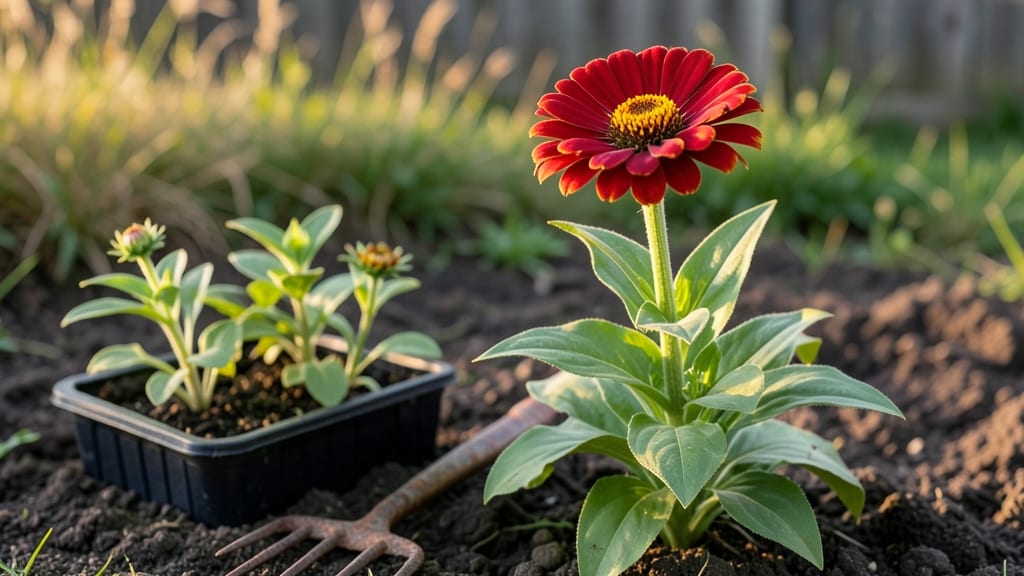
Succession planting zinnias transforms a single summer into a nonstop bloom parade from June through frost. 🌻 I learned this after watching my first zinnias fade by August—until I tried staggered sowings, which kept my garden vibrant for nearly three months longer than before.
The secret lies in timing: plant your first batch 4-6 weeks before your last frost, then follow with two more sowings 3-4 weeks apart. This ensures each new batch blooms just as the previous one fades.
Dwarf varieties like 'Thumbelina' or 'Crystal' work best—they mature faster and fit neatly into small spaces.
You’ll end up with dense clusters of blooms in every corner of your garden, attracting pollinators while keeping your flower beds looking fresh. The key is well-draining soil and consistent moisture—zinnias hate soggy roots but thrive with regular watering.
Companion plants like marigolds or basil deter pests while boosting growth.
For cooler climates, start the first sowing indoors 4-6 weeks before transplanting to avoid early-season chill. In warm zones, direct-sow after soil reaches 60°F and space plants 6-12 inches apart for airflow. The result? A garden that never skips a beat.
📚 In This Guide
- What you need
- Instructions
- Tips and common mistakes
- Wrapping up and next steps
What you need
- ● Zinnia seeds: Choose heat-tolerant varieties like ‘Benary’s Giant’ or ‘Profusion’ (2–3 seed packets per sowing, ~50–100 seeds per packet).
- ● Well-draining potting mix: 1–2 cubic feet per sowing (or prepped garden soil with compost).
- ● Containers or garden beds: Containers: 6–12" deep, with drainage holes (1–2 plants per 6" pot).
- ● Garden beds: Full sun (6+ hours/day), loose soil (amend with 1–2 inches of compost).
- ● Watering can or hose: With a gentle spray nozzle for seedlings.
- ○ Plant labels: Optional but helpful—mark sowing dates (e.g., "May 1," "June 15").
- ● Gloves: To keep hands clean while handling soil/seeds.
- ● Trowel or small shovel: For transplanting seedlings (4–6" spacing).
- ● Fertilizer: Balanced 10-10-10 or slow-release granules (1 tbsp per plant at transplanting).
- ○ Row cover or shade cloth (optional): For seedlings if temperatures dip below 50°F.
- ● Pruning shears: To deadhead spent blooms and encourage regrowth.
- ● Last frost date: Know yours! Sow zinnias 2–3 weeks after the last frost (or start indoors 4–6 weeks early in cool climates).
- ● Weather window: Aim for warm soil (60°F+) and consistent temps above 55°F.
- ● Bloom timeline: Plan 3 sowings 3–4 weeks apart for continuous flowers (e.g., May, June, July).
Step-by-step instructions for succession planting zinnias
Here's how to stretch your bloom season by planting zinnias in three timed batches—no guesswork, just consistent color.
🌱 Step 1: Prepare Soil and Plant First Batch Early
Zinnias thrive in well-draining soil with a pH of 6.0-7.0. Work the 2-3 inches of compost into the top 6 inches of soil to loosen it—zinnias hate compacted roots. I like to add a handful of slow-release fertilizer at this stage to give the first batch a nutrient head start.
Plant your first batch of 20 seeds (about ¼ inch deep) in early spring, 4-6 weeks before your last frost date. Space them 6 inches apart in rows 12 inches apart. Water gently but deeply right after planting to settle the soil around the seeds. The key here is timing—these will be your earliest bloomers.
🌿 Step 2: Sow Second Batch When First Plants Are Established
About 3-4 weeks after the first batch, when those seedlings show their first true leaves (not the tiny cotyledons), it's time for the second batch. Plant another 20 seeds using the same spacing and depth. This ensures the first batch isn't overcrowded while the second takes over.
I always mark the planting dates on a small stake near each batch—this helps me track when to expect blooms and when to plant the final batch. Water all batches consistently, keeping the soil evenly moist but not soggy until germination occurs. Overwatering here can drown seeds before they sprout.
☀️ Step 3: Plant Final Batch for Late-Season Color
Now here's where the magic happens: 6-8 weeks after the first batch, plant your final 20 seeds. This timing ensures the last batch blooms just as the first starts to fade, creating a continuous display from early summer through fall. Zinnias are heat-tolerant, so late plantings won't bolt like some annuals.
Use the same planting depth and spacing. If your growing season is short, you can even squeeze in a fourth batch of 10 seeds about 2 weeks after the third for extra insurance. Just make sure the soil is still warm (at least 60°F)—cold soil slows germination.
✂️ Step 4: Maintain for Nonstop Blooms
Deadhead spent blooms weekly to encourage more flowers. I pinch off the faded blooms with my fingers—no need for shears—right at the base where the flower meets the stem. This redirects energy from seed production back to new blooms. Zinnias are heavy producers, so you'll be cutting flowers constantly.
Fertilize lightly every 4-6 weeks with a balanced 10-10-10 formula. Too much nitrogen makes zinnias produce leaves instead of flowers. Water at the base in the morning to prevent fungal issues—wet foliage at night is a recipe for mildew. With this system, you'll have blooms for 3-4 months instead of just 6-8 weeks.
Tips & tricks for perfect succession planting zinnias
A few strategic adjustments can transform your zinnias from a fleeting summer display into a vibrant, long-lasting garden centerpiece. Here's what I've learned from years of perfecting this method.
Soil Preparation is Non-Negotiable: The 2-3 inches of compost mixed into the top 6 inches of soil creates the ideal loose, well-draining environment zinnias crave. I've found that adding a handful of slow-release fertilizer at planting gives the first batch a critical nutrient boost. For even better results, test your soil's pH—zinnias thrive in that 6.0-7.0 range, and adjusting with lime or sulfur can make all the difference. The investment in good soil preparation pays off with stronger plants that bloom more prolifically.
Timing is Everything: Those 4-6 weeks before your last frost date for the first batch are crucial—plant too early and you risk frost damage, too late and you miss the early bloom window. I always check my local frost date calendar and mark the planting window on my garden planner. For the second batch at 3-4 weeks after the first, watch for those first true leaves—not the initial cotyledons—to appear. That's your signal that the first batch is established enough to share space. The magic happens at 6-8 weeks when you plant the final batch—this creates that perfect handoff where blooms never stop.
Garden Organization Prevents Chaos: I can't stress enough how important it is to mark your planting dates on stakes near each batch. Without this system, I've lost track of which batch is which and ended up with uneven blooming. I use colored stakes or flags to distinguish batches visually. This simple habit saves me from confusion later and helps me predict when each batch will need deadheading or fertilizing. For short growing seasons, that optional fourth batch of 10 seeds 2 weeks after the third is a game-changer—it bridges any gaps between batches beautifully.
Maintenance is Where the Magic Happens: Those weekly deadheading sessions might seem tedious, but they're what extend your blooming season from 6-8 weeks to 3-4 months. I've found that pinching off blooms at the base where the flower meets the stem redirects all that energy back to producing more flowers instead of seeds. And here's a pro tip: water at the base in the morning only—wet foliage at night creates the perfect conditions for fungal diseases. The 4-6 week fertilization schedule with a balanced 10-10-10 formula keeps them blooming without encouraging excessive leaf growth.
Pro Tips for Succession Planting Zinnias
- A few strategic adjustments can transform your zinnias from a fleeting summer display into a vibrant, long-lasting garden centerpiece.
- Soil Preparation is Non-Negotiable: The 2-3 inches of compost mixed into the top 6 inches of soil creates the ideal loose, well-draining environment zinnias crave.
- Timing is Everything: Those 4-6 weeks before your last frost date for the first batch are crucial—plant too early and you risk frost damage, too late and you miss the early bloom window.
Frequently asked questions
Got questions about succession planting zinnias?
You’re not alone! Here are answers to the most common queries to help you grow a nonstop parade of blooms all season.
What’s the best spacing for succession-sown zinnias?
Leave 12–18 inches between plants when sowing in batches. Zinnias need room to thrive, but closer spacing (10–12 inches) works for shorter varieties like ‘Thumbelina’ or if you’re interplanting with shallow-rooted veggies. Thin seedlings to avoid crowding—happy zinnias = more blooms!
How late in the season can I plant zinnias for fall blooms?
Start 8–10 weeks before your first frost date for fall color. In cooler climates (zones 3–5), aim for mid-to-late summer sowing. Zinnias are frost-sensitive, but a light frost may trigger earlier blooming—so don’t wait too long! Monitor local forecasts and adjust timing.
Can I use zinnias as a trap crop for pests?
Zinnias attract aphids, whiteflies, and spider mites, luring them away from prized plants. Plant them near tomatoes, peppers, or roses to act as a sacrificial snack. Just keep an eye on them—spray off pests with water or use insecticidal soap if they get overwhelmed.
What’s a good alternative if zinnias fail to germinate?
Try cosmos, sunflowers, or marigolds—they’re equally low-maintenance and thrive with succession planting. Cosmos self-seeds prolifically, while sunflowers offer quick color and pollinator appeal. Marigolds even deter pests! Check seed packets for similar spacing/timing guidelines.
Why are my zinnias wilting or dropping buds?
Common culprits include overwatering (root rot), underwatering (stress), or heat stress. Ensure well-draining soil and water deeply 1–2x/week (more in extreme heat). Deadhead spent blooms to encourage new flowers, and provide afternoon shade in scorching climates. A balanced fertilizer (like 10-10-10) can also help!
Wrapping up and next steps
Succession planting zinnias is your secret weapon for a non-stop parade of color all season long! By staggering your sowing in three simple waves, you’ll transform your garden into a vibrant, ever-blooming oasis—without the hassle of constant replanting. 🌸
Ready to put this plan into action? Start with your first batch today—your future blooms will thank you! For extra inspiration, explore our guide on extending zinnia blooms or dive into creative ways to use cut flowers in arrangements. Happy gardening!