
Plants
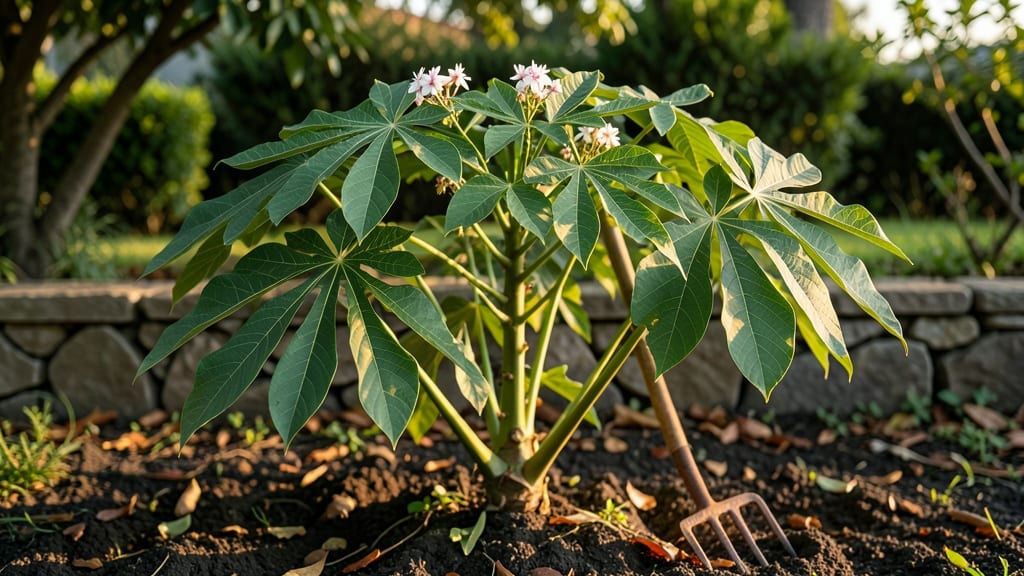
The tapioca cassava plant thrives where others fail—dry, rocky soil and scorching heat won’t stop its roots from storing energy like a tropical powerhouse. 🌿 I’ve grown it in my backyard’s toughest spot, and it’s still producing harvests after years of neglect.
This isn’t your average fussy plant; it’s the ultimate survivor for gardeners in hot climates who refuse to give up on a green thumb.
You’ll need minimal fuss: well-draining soil (even sandy or rocky works), full sun, and water only when the top inch dries out. No coddling required—this plant handles drought like a champ.
The key is patience: cassava takes 10-12 months to mature, but once it does, you’ll have a root crop that stores for months without refrigeration. Perfect for small farms or backyard growers tired of finicky vegetables.
By harvest time, you’ll be digging up thick, starchy roots that rival potatoes in versatility. The leaves stay lush even when temperatures hit 100°F, and pests rarely bother it. This is gardening at its most resilient—no excuses, just results. Ready to grow something that actually fights back?
Works in USDA zones 9-11, but container growing extends its range to cooler areas. Here’s how to get started without the guesswork.
Root causes of cassava struggles
The tapioca cassava plant, while incredibly resilient, isn’t immune to challenges—especially when grown outside of its ideal tropical conditions. Understanding the why behind common issues helps farmers and gardeners take proactive steps. Below, we break down the key factors that can stunt growth, reduce yield, or even kill the plant.
The cassava plant thrives in well-drained, slightly acidic soil (pH 5.0–6.5), but it’s often grown in marginal lands where soil quality is lacking. Here’s what goes wrong:
- Low organic matter: Cassava roots need nitrogen (N), phosphorus (P), and potassium (K) to grow efficiently. Soils with <1% organic matter struggle to retain these nutrients, leading to stunted shoots and poor tuber development.
- Compacted or clay-heavy soil: Cassava roots are sensitive to waterlogging. Compacted soil restricts root expansion, while clay soils can suffocate roots, causing root rot (often from Phytophthora fungi).
- Micronutrient imbalances: Deficiencies in zinc, iron, or manganese—common in tropical soils—can cause yellowing leaves (chlorosis) and weak stems.
Actionable fix: Amend soil with compost or well-rotted manure before planting. Conduct a soil test to address specific deficiencies with targeted fertilizers (e.g., phosphate for phosphorus).
Cassava is drought-tolerant but not drought-proof. Water-related problems often stem from:
- Inconsistent moisture: Young plants need regular watering (1–1.5 inches per week) to establish roots. Drought stress during early growth leads to leaf wilting and reduced tuber formation.
- Overwatering or poor drainage: Waterlogged conditions trigger root rot and bacterial soft rot, turning tubers mushy and inedible.
- Flooding: Cassava roots require oxygen. Prolonged flooding (even 48+ hours) suffocates roots, leading to plant death.
Actionable fix:
- Use raised beds or mounds to improve drainage in heavy soils.
- Mulch with straw or leaves to retain moisture without over-saturating soil.
- Avoid irrigating at night to prevent fungal diseases.
Cassava’s resilience doesn’t shield it from pests and pathogens. The most damaging culprits include:
| Pest/Disease | How It Attacks | Visible Signs |
|---|---|---|
| Cassava mealybug (Phenacoccus manihotis) | Saps plant juices, weakening growth and transmitting cassava mosaic virus. | White cottony masses on stems/leaves; stunted, curled leaves. |
| Root-knot nematodes | Burrow into roots, causing galls that block nutrient uptake. | Swollen, knobby roots; yellowing leaves despite adequate water. |
| Bacterial blight (Xanthomonas axonopodis) | Bacteria enter through leaf wounds, clogging vascular tissue. | Water-soaked lesions on leaves; wilting and dieback. |
| Fungal leaf spot (Cercospora spp.) | Thrives in humid conditions, reducing photosynthesis. | Brown/black spots with yellow halos; premature leaf drop. |
Actionable fix:
- Rotate crops to break pest/disease cycles (avoid planting cassava in the same spot for 3+ years).
- Use neem oil or insecticidal soap for mealybugs; apply copper-based fungicides for bacterial blight.
- Plant resistant varieties (e.g., TMS 30572) if pests are recurrent.
Cassava is tropical at heart—it struggles when pushed beyond its comfort zone:
- Cold temperatures: Below 60°F (15°C), growth slows, and tubers may fail to swell properly. Frost kills the plant instantly.
- High winds: Tall cassava varieties (e.g., Manihot esculenta) can snap under storm conditions, losing leaves and reducing photosynthesis.
- Excessive heat + humidity: While cassava loves warmth, above 95°F (35°C) combined with high humidity accelerates fungal diseases like anthracnose.
Actionable fix:
- Grow in microclimates with windbreaks (e.g., hedgerows) if in open fields.
- Use shade cloth (30–50%) in extreme heat to protect young plants.
- Avoid planting in high-altitude regions above 6,500 ft (2,000 m) without acclimatization.
💡 Pro Tip: Monitor plants weekly for early signs of stress (e.g., leaf curl, discoloration). Catching issues early—like mealybug infestations or nutrient deficiencies—can save an entire crop. Keep a garden journal to track patterns!
Fixing Common Cassava Plant Problems
Cassava thrives in tough conditions, but even the hardiest plants face challenges. Whether it’s pests, diseases, or environmental stress, here’s how to diagnose and solve the most common issues—plus prevention tips to keep your tapioca plant flourishing.
If you spot mealybugs, aphids, or cassava mealybugs (a notorious pest), act fast to prevent crop loss.
🔥 How to Fix It:
- Handpick & Remove 👨🍳
- Wear gloves and carefully pluck off visible pests, especially around leaves and stems. Drop them into soapy water to kill them.
- Neem Oil Spray 🍳
- Mix 1 tsp neem oil + 1 tsp mild soap in 1 liter of water. Spray on leaves (early morning or late evening to avoid sunburn). Repeat every 5-7 days until pests vanish.
- Horticultural Oil or Insecticidal Soap 🔪
- For severe infestations, use horticultural oil (like dormant oil) or insecticidal soap. Follow label instructions—these kill pests on contact but are safe for plants.
- Release Beneficial Insects ✨
- Introduce ladybugs or lacewings (natural predators of mealybugs). Buy them from garden centers or attract them with dill or fennel plants nearby.
💡 Prevention Tips:
- Rotate crops if growing cassava commercially to break pest cycles.
- Mulch heavily with straw or grass clippings to deter pests from reaching the roots.
- Inspect new plants before bringing them home—quarantine for a week if needed.
Cassava is prone to bacterial blight, anthracnose, or root rot—often from poor drainage or humidity.
🍄 How to Fix It:
- Prune Infected Leaves ⏰
- Cut off yellowing or spotted leaves with sterilized scissors (wipe with rubbing alcohol between cuts). Dispose of them in a sealed bag—not your compost!
- Fungicide Treatment 🌡️
- Use copper-based fungicides (like Bordeaux mixture) for bacterial blight or systemic fungicides (e.g., myclobutanil) for anthracnose. Follow package rates.
- Improve Drainage 💧
- If root rot is suspected, raise the plant’s bed or mix in sand/perlite to loosen soil. Avoid overwatering—cassava prefers dry to moderately moist conditions.
- Solarize the Soil 🔥
- For stubborn fungal issues, cover the soil with clear plastic for 4-6 weeks in hot sun. This kills pathogens naturally.
💡 Prevention Tips:
- Space plants 3-4 feet apart for airflow (reduces humidity-related diseases).
- Avoid overhead watering—use drip irrigation instead.
- Rotate crops with non-root plants (like legumes) to break disease cycles.
Slow growth or weak stems often mean nutrient deficiencies, compacted soil, or improper planting.
🌿 How to Fix It:
- Test Soil & Amend 📊
- Cassava needs low fertility but benefits from phosphorus (P) and potassium (K). Test soil and add bone meal (for P) or wood ash (for K) if deficient.
- Loosen Compacted Soil 🔨
- Use a garden fork to aerate the root zone. Cassava roots need deep, well-draining soil—don’t plant in clay-heavy areas.
- Propagate Healthy Cuttings 🌱
- If the main plant is weak, take 6-inch stem cuttings from healthy parts, let them dry for a day, then plant in fresh soil. Use rooting hormone for faster growth.
💡 Prevention Tips:
- Plant during the dry season (cassava hates waterlogged soil).
- Mulch with wood chips to retain moisture without suffocating roots.
- Avoid nitrogen-heavy fertilizers—cassava grows best in low-fertility conditions.
Cassava is drought-tolerant, but extreme heat or prolonged dry spells can stress it.
☀️ How to Fix It:
- Deep Watering (Infrequent but Thorough) 💦
- Water once every 2-3 weeks (unless in extreme drought). Use a soaker hose to deliver moisture deep into the root zone.
- Shade Cloth for Young Plants 🌳
- If temperatures exceed 95°F (35°C), provide 30-50% shade cloth for young cassava to prevent leaf scorch.
- Mulch Heavily 🍂
- Spread 4-6 inches of straw or grass clippings around the base to retain moisture and cool roots.
💡 Prevention Tips:
- Plant in well-drained, sandy loam—avoid heavy clay.
- Choose drought-resistant varieties (e.g., Manihot esculenta types like ‘MCol 22’).
- Avoid watering at night to prevent fungal growth from excess humidity.
If your cassava is heavily diseased or pest-ridden, sometimes the best solution is replacement:
- Dig up and destroy the worst-affected plants (don’t compost them!).
- Solarize the soil (as above) before replanting.
- Start fresh cuttings from a healthy, disease-free source.
By addressing issues early and adjusting care based on your cassava’s needs, you’ll keep this resilient plant productive for years—even in poor soil and drought! 🌱💪
Frequently asked questions about tapioca cassava plants
Can I grow tapioca cassava in containers?
Yes, cassava thrives in containers as long as the pot is at least 12 inches deep and has drainage holes. Use well-draining soil mixed with perlite, and place the container in full sun. Container-grown cassava needs slightly more frequent watering than in-ground plants since pots dry out faster.
How do I know when cassava roots are ready to harvest?
Cassava roots typically mature in 10-12 months, but you can check readiness by gently digging up a small root. Look for tubers that are 3-4 inches thick with a smooth, firm texture. If the leaves start yellowing or the plant slows growth, it’s a good sign roots are fully developed. Harvest carefully to avoid damaging remaining tubers.
Is cassava safe to eat raw?
No, cassava roots contain cyanogenic glycosides, which can be toxic if consumed raw. Always cook cassava thoroughly by boiling, baking, or frying to break down these compounds. The bitter varieties require extra preparation, while sweet varieties are safer but still need cooking.
Why are my cassava leaves turning yellow?
Yellowing leaves usually indicate nutrient deficiency (often nitrogen or potassium), overwatering, or pest damage. Check soil moisture first—cassava prefers dry to moderately moist conditions. If soil is too wet, improve drainage. For deficiencies, add compost or a balanced fertilizer (low in nitrogen). Inspect leaves for pests like mealybugs or aphids.
Can I grow cassava from seed or do I need cuttings?
Cassava is almost always propagated from stem cuttings (6-12 inches long) rather than seeds. Seeds are rare and produce weak plants. Take cuttings from healthy, disease-free plants, let them dry for a day, then plant in moist soil. Roots will form within 2-3 weeks. This method ensures stronger, more productive plants.