
Diseases
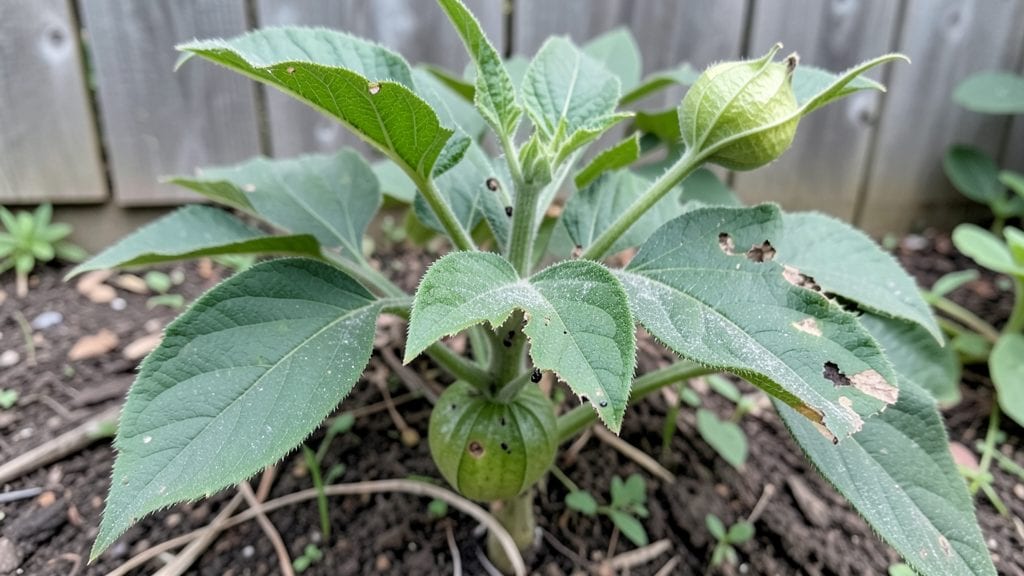
Tomatillo plant diseases can turn your harvest from abundant to disappointing faster than you think. I’ve seen bacterial spot turn crisp green leaves into a skeleton of brown spots in just two weeks—if you don’t catch it early.
The good news? Most issues respond well to organic fixes once you know what to look for.
Powdery mildew, for example, starts as fuzzy white patches on leaves and spreads like wildfire in humid weather. Fungal infections often appear as dark, water-soaked spots or yellowing between leaf veins.
The key to saving your plants lies in spotting these early and acting fast—before the disease moves to the fruit. My tomatillos now thrive because I learned to check leaves weekly during peak growing months.
You’ll discover simple, chemical-free remedies like neem oil sprays, copper fungicide mixes, and proper spacing to improve airflow. These methods don’t just stop the spread—they help your plants bounce back stronger. With the right approach, you can keep your tomatillos productive and healthy all season long.
This guide covers the most common diseases, their telltale signs, and exactly how to treat them before they ruin your crop. Whether you’re dealing with bacterial spots or powdery mildew, you’ll have the tools to protect your harvest—naturally.
Root Causes Of Tomatillo Troubles
Understanding why your tomatillo plants fall prey to diseases starts with unpacking the science behind their vulnerabilities. These green gems thrive in specific conditions, and when those are disrupted, pathogens and pests seize the opportunity. Here’s why your plants might be under siege—and how to spot the warning signs early.
Fungal diseases like early blight (Alternaria solani) and powdery mildew (Leveillula taurica) are the most common culprits for tomatillos. These fungi thrive in moist, stagnant environments, where excess humidity creates the perfect breeding ground.
- Why it happens:
- Tomatillos have thin, waxy leaves that trap moisture, especially in shady or crowded gardens where airflow is poor.
- Overhead watering (especially in the evening) keeps leaves damp for extended periods, giving fungi a foothold.
- Poor drainage in containers or soil leads to waterlogged roots, weakening the plant’s defenses.
- High nighttime humidity (above 70%) without proper ventilation accelerates spore germination.
💡 Pro Tip: If you notice dark, concentric rings on leaves (early blight) or white, powdery patches (mildew), act fast—fungi spread like wildfire in ideal conditions.
Bacterial diseases, such as bacterial spot (Xanthomonas spp.) and bacterial canker (Clavibacter michiganensis), are often introduced through contaminated tools, infected seedlings, or splashing water.
- Why it happens:
- Wounds from pruning, hail, or pests create entry points for bacteria.
- Rain or overhead irrigation splashes bacteria from soil or infected plant debris onto leaves and stems.
- Warm, wet weather (75–85°F) speeds up bacterial growth, leading to water-soaked lesions that ooze pus-like fluid.
- Poor sanitation—like reusing tools without sterilizing them—spreads bacteria between plants.
✨ Key Sign: Look for yellow halos around dark spots on leaves or oozing cankers on stems—these are bacterial red flags.
While not diseases themselves, aphids, whiteflies, and spider mites weaken tomatillos by sucking sap, leaving plants stressed and more susceptible to infections.
- Why it happens:
- Stressed plants (from drought, overwatering, or poor soil) have lower resistance to pathogens.
- Pests damage leaves, creating entry points for fungi and bacteria.
- Honeydew (a sticky sap left by pests) attracts sooty mold, a secondary fungal issue that clogs leaves and blocks sunlight.
🔥 Watch For: Sticky residue on leaves, yellowing foliage, or visible bugs—these are signs your plants are under siege before diseases even take hold.
Tomatillos prefer moderate temperatures (60–80°F) and consistent moisture. When conditions swing too far from this range, diseases thrive.
- Why it happens:
- Sudden temperature drops (below 50°F) slow plant metabolism, making them more vulnerable to fungal infections.
- Heat stress (above 90°F) causes leaf scorch, weakening the plant’s ability to fight off pathogens.
- Frequent rain or flooding washes away protective microbial communities in the soil, leaving roots exposed to root rot (Phytophthora spp.).
🎯 Prevention Tip: Mulch heavily in hot climates to regulate soil temperature and avoid planting in low-lying areas where water pools after rain.
Tomatillos need well-draining, fertile soil with a slightly acidic to neutral pH (6.0–7.0). When soil is imbalanced, diseases move in.
- Why it happens:
- Compacted or clay-heavy soil holds excess moisture, promoting root rot.
- Low organic matter reduces beneficial microbes that suppress pathogens.
- Over-fertilization with nitrogen leads to lush, weak growth that’s prone to fungal infections.
📊 Soil Check: If your soil feels gummy when wet or cracks when dry, it’s time to amend with compost or perlite for better aeration.
Fixing Tomatillo Plant Problems Naturally
When your tomatillos show signs of distress, acting fast with the right organic solutions can save your harvest—and your sanity! Below, we’ll match common tomatillo plant diseases and pests to practical fixes, plus prevention tips to keep your plants thriving.
Think of this as your DIY organic first-aid kit for green husks.
H3: 🔥 Stop Powdery Mildew in Its Tracks Powdery mildew coats leaves in a white, flour-like dust? Baking soda spray is your secret weapon.
- Mix: 1 tbsp baking soda + 1 tsp dish soap + 1 gallon water.
- Spray: Drench leaves early in the morning (avoid direct sunlight to prevent leaf burn).
- Repeat: Every 7–10 days until symptoms fade.
- Prevent: Space plants for airflow, water at the base, and avoid overhead sprinkling.
H3: 🍳 Rescue Blighted Leaves (Early Blight & Late Blight) Brown, crusty spots on leaves? These fungal blights spread fast.
- Copper fungicide spray (organic, like Cupric Hydroxide) is your best bet.
- DIY alternative: Mix 1 tbsp neem oil + 1 tsp castile soap + 1 quart water. Spray every 5–7 days until new growth appears.
- Remove infected foliage immediately—don’t compost it!
- Prevent: Rotate crops yearly, mulch with straw (not hay), and prune for airflow.
H3: 👨🍳 Save Root Rot Before It’s Too Late Soggy soil + yellowing leaves = root rot. Act fast!
- Stop watering until soil dries 2 inches deep.
- Repot in fresh, well-draining soil (mix in perlite or sand).
- Add compost tea (brewed from worm castings) to boost microbial health.
- Prevent: Use raised beds or containers with drainage holes, and avoid overwatering.
H3: 🥘 Kick aphids Off Your Plants Tiny green/black bugs clustering on stems? Blast them away!
- Spray with soapy water (1 tsp mild soap + 1 quart water).
- Introduce ladybugs—they’re aphid-eating superheroes!
- Prevent: Plant marigolds or basil nearby to repel pests naturally.
H3: 🔪 Banish Tomatillo Borers (Those Sneaky Larvae) Hollow stems or frass (sawdust-like droppings)? Borers are feasting.
- Handpick larvae (wear gloves!) and drop them in soapy water.
- Dust stems with diatomaceous earth (food-grade only).
- Prevent: Row covers in early season, and crop rotation to disrupt their life cycle.
H3: ⏰ Outsmart Whiteflies with Sticky Traps Whiteflies fluttering around? Trap them before they multiply.
- Hang yellow sticky traps near plants.
- Spray with neem oil (repeat every 3–4 days).
- Prevent: Reflective mulch (aluminum foil) confuses them—try it!
- 🌡️ Monitor humidity: Fungal diseases thrive in damp conditions—water in the morning so foliage dries fast.
- ✨ Boost immunity: Compost tea or fish emulsion (diluted) strengthens plants naturally.
- 🎯 Rotate crops: Never plant tomatillos in the same spot two years in a row.
- 🔍 Inspect regularly: Check undersides of leaves and new growth weekly for early signs.
Remember: The key to organic disease control is prevention + quick action. With these fixes, your tomatillos will bounce back—and next season, they’ll be even tougher! 🌱💪
Frequently asked questions about tomatillo plant diseases
What are the first signs of fungal infections in tomatillo plants?
Look for white powdery patches (powdery mildew) or dark, concentric rings on leaves (early blight). These appear first on older leaves and spread quickly in humid conditions. Check undersides of leaves weekly—they’re often the first place fungi take hold.
Can I use the same organic remedies for both fungal and bacterial diseases?
No—fungal diseases respond to copper fungicides or neem oil, while bacterial infections need baking soda sprays or hydrogen peroxide (3%). Bacterial spots often ooze pus-like fluid, while fungal spots remain dry and crusty. Always confirm the type before treating!
How often should I spray preventive treatments on my tomatillo plants?
Apply neem oil or copper spray every 7–10 days during peak growing season (spring to early fall). For prevention, a baking soda spray (1 tbsp baking soda + 1 tsp soap per gallon) every 2 weeks keeps fungal spores at bay. Always spray in the morning for best results.
Will removing infected leaves stop the spread of disease?
Yes, but only if you remove ALL infected foliage immediately and don’t compost it. Fungal spores can survive in compost and reinfect your plants. Burn or trash infected leaves, then sterilize pruners with rubbing alcohol to prevent cross-contamination.
Can I still harvest tomatillos if the leaves show disease symptoms?
Yes, but only if the fruit hasn’t been directly affected. Fungal/bacterial diseases typically move from leaves to stems and finally to fruit. If you see spots on the husks or fruit, remove those immediately. Healthy-looking tomatillos can still be harvested and used in cooking.