
Flowers
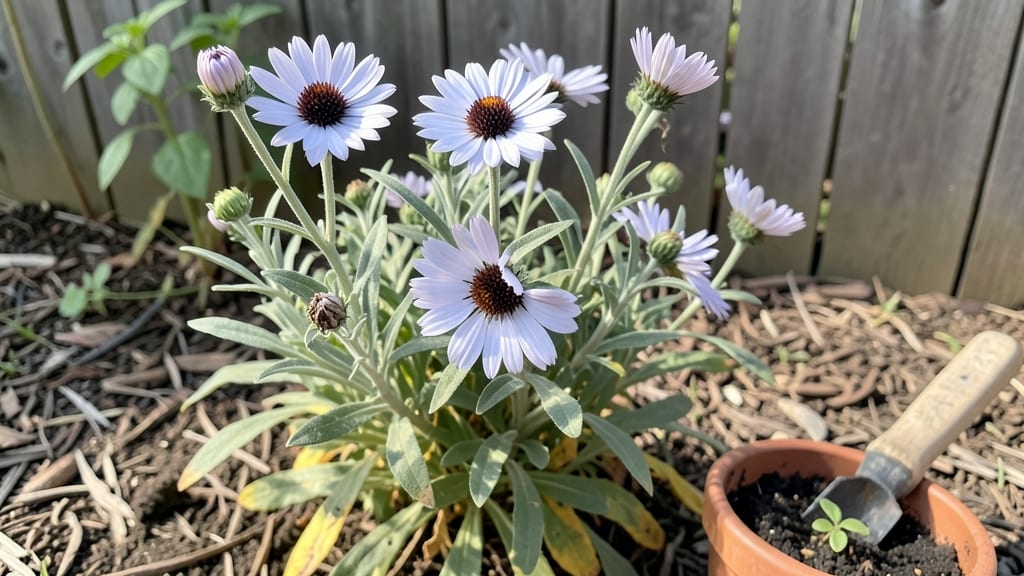
Planting African daisies transforms bare spots into sun-drenched bursts of color that last all year. 🌻 I’ve learned the hard way that these tough little bloomers need just three things to thrive: well-draining soil, plenty of sunlight, and a little patience for their slow-but-steady growth.
The first time I planted them, I nearly gave up when they took weeks to show color—but once they did, my neighbors asked for cuttings.
Start with soil that drains like a sandy loam, mixing in compost if your yard holds water. African daisies hate soggy roots, so raised beds or containers with drainage holes work best.
Space them 12–18 inches apart for full, bushy plants, and plant them no deeper than the top of their root ball. Most garden centers sell them as young plants, but you can also grow from seed if you’re patient—just know it’ll take longer for blooms.
After planting, water deeply but let the soil dry slightly between waterings. These daisies are drought-tolerant once established, so don’t overdo it. Within weeks, you’ll see those cheerful faces popping up, and by summer, they’ll be covered in blooms that attract butterflies.
The key is consistency—skip the heavy fertilizer, and they’ll reward you with nonstop color.
They handle containers beautifully, making them perfect for patios or balconies, but they’ll also spread in garden beds if you’re okay with a little maintenance. Here’s the trick: deadhead spent blooms regularly to keep them flowering all season. Ready to turn your space into a pollinator paradise?
📚 In This Guide
- What you need
- Instructions
- Tips and common mistakes
- Wrapping up and next steps
What you need
- ● African Daisy Seeds or Plants: Seeds: 1–2 packets (50–100 seeds per packet) for direct sowing.
- ● Plants: 3–6 nursery-grown seedlings (6-inch pots) for transplanting.
- ● Well-Draining Soil: 1–2 bags of cactus/succulent mix (or regular potting soil amended with 30% perlite or coarse sand to prevent root rot).
- ● Containers or Garden Bed: Containers: 5–7-inch pots (1 plant per pot) with drainage holes.
- ● Garden Bed: Full sun (6+ hours/day) and sandy, well-draining soil (amend clay soil with compost).
- ● Fertilizer: Balanced 10-10-10 or 20-20-20 granular fertilizer (1 tbsp per plant at planting).
- ○ Slow-release pellets (optional for long-term growth).
- ● Hand Trowel (for transplanting or sowing seeds).
- ● Gloves (to protect your hands from thorns or prickly stems).
- ● Watering Can or Hose with a gentle spray nozzle.
- ● Measuring Cup (for precise fertilizer application).
- ○ Mulch (Optional): 1–2 inches of gravel or pebbles (to retain moisture and deter weeds).
- ● Sunlight: Full sun exposure (6+ hours/day) is non-negotiable—these daisies thrive in heat!
- ● Temperature: Ideal range: 70–90°F (21–32°C). Avoid planting until soil is at least 60°F (15°C).
- ● Watering Schedule: Keep soil consistently moist but not soggy (especially for seeds).
- ● Patience: Seeds may take 2–3 weeks to germinate—stay consistent!
Step-by-Step instructions for planting African daisies
Here's the straightforward method I use to get vibrant, long-lasting African daisies thriving in any sunny spot.
🪴 Step 1: Choose the Perfect Planting Location
African daisies need full sun—at least 6-8 hours daily—to produce their signature bright blooms. I always scout the site first: check for afternoon shade from trees or buildings that could limit sunlight. The soil should drain well; if it's heavy clay, mix in 2-3 inches of compost to improve aeration.
Dig a hole twice as wide as the plant's root ball but only as deep. This encourages roots to spread outward rather than settle too deep, which can suffocate them. Gently loosen the sides of the hole with your fingers to prevent compacting the soil when you plant.
🌱 Step 2: Prepare the Plant and Planting Hole
Remove the African daisy from its container and tease the roots apart if they're circling tightly. This prevents root-bound stress later. Place the plant in the hole so the top of the root ball sits just below soil level—never deeper, or the stem will rot. The plant's crown (where stems meet roots) should be level with the surrounding soil.
Fill the hole halfway with soil, then water deeply to settle it. This removes air pockets that could dry out roots. I like to add a handful of slow-release fertilizer at this stage to give the plant a nutrient boost without burning tender roots.
💧 Step 3: Finish Planting and Water Thoroughly
Backfill the hole completely, pressing the soil gently around the base to eliminate gaps. Avoid compacting too hard—you want roots to grow freely. Water again until the soil is evenly moist to a depth of 6 inches. You'll know it's right when water runs out the bottom of the hole but doesn't pool on top.
Mulch around the base with 2-3 inches of organic mulch, keeping it 2 inches away from the stem to prevent rot. This conserves moisture and keeps roots cool. African daisies are drought-tolerant once established, but young plants need consistent moisture to take root.
☀️ Step 4: Maintain for Year-Round Blooms
Water 1-2 times weekly during the first growing season, checking that the top 2 inches of soil stay dry between waterings. Once established, African daisies thrive on neglect—water only when the soil feels dry to the touch. Deadhead spent blooms regularly to encourage more flowers and prevent seed production.
Feed with a balanced fertilizer every 6-8 weeks during the growing season. I use half-strength fertilizer to avoid overfeeding, which can lead to lush foliage but fewer blooms. Prune back leggy growth in early spring to promote bushier, fuller plants.
Tips & tricks for perfect African daisy planting
Here's what I've learned over years of growing these stunning sun-lovers—small details that make all the difference between a struggling plant and one that bursts into vibrant color.
The Sunlight Secret: That 6-8 hours of full sun is non-negotiable for African daisies, but here's the thing: morning sun is more important than afternoon. If you're in a hot climate, afternoon shade can actually help prevent leaf scorch while still allowing enough light for blooming. I've seen plants in full afternoon sun get crispy edges, even when they had enough total sunlight.
Root Ball Rescue: When you remove that African daisy from its container, don't just pull it out—gently squeeze the sides of the pot to loosen the root ball first. I've ruined perfectly good plants by yanking them out, breaking those delicate roots. If the roots are circling tightly, use your fingers to tease them apart right in the hole before planting. This prevents that "root-bound stress" that can stunt growth for months.
Watering Wisdom: That 6-inch deep watering in Step 3 is crucial, but here's the follow-up: after the initial watering, let the top 2 inches dry out between waterings during the first season. I learned this the hard way—overwatering causes root rot faster than underwatering. Once established, these plants are tough, but young roots need that balance. A moisture meter helps if you're unsure—stick it in and aim for 40-50% moisture at 2 inches deep.
Mulch Matters: The 2-3 inches of organic mulch isn't just decoration—it's a game-changer. I use shredded bark mulch because it breaks down slowly and improves soil structure over time. The key is keeping it 2 inches away from the stem to prevent rot. Pro tip: refresh the mulch every spring to maintain that 2-3 inch layer, which helps regulate soil temperature and retain moisture during dry spells.
Pro Tips for African Daisy Planting
- Here's what I've learned over years of growing these stunning sun-lovers—small details that make all the difference between a struggling plant and one that bursts into vibrant color.
- The Sunlight Secret: That 6-8 hours of full sun is non-negotiable for African daisies, but here's the thing: morning sun is more important than afternoon.
- Root Ball Rescue: When you remove that African daisy from its container, don't just pull it out—gently squeeze the sides of the pot to loosen the root ball first.
Frequently asked questions
Got questions about growing African daisies? You’re not alone! Here are some of the most common queries—and their easy, actionable answers—to help your garden bloom with confidence.
When is the best time to plant African daisies?
For year-round color, plant in early spring (after the last frost) or late summer (6–8 weeks before the first frost). In warmer climates (Zones 9–11), you can plant anytime since they thrive in heat. Just ensure soil temps are above 60°F (15°C) for best germination.
How often should I water African daisies?
Water deeply 2–3 times per week during the first month to establish roots, then reduce to once a week (or when the top inch of soil feels dry). These drought-tolerant beauties hate soggy soil—always use well-draining soil and containers with drainage holes to prevent root rot.
Why aren’t my African daisies blooming?
Lack of blooms usually means one of three things: too much fertilizer (focus on low-phosphorus blooming formulas), overcrowding (space plants 12–18 inches apart), or poor sunlight (they need 6+ hours of direct sun). Deadhead spent blooms to encourage more flowers!
Can I grow African daisies in containers?
Use 5–7 gallon pots with drainage holes and a lightweight potting mix. Choose compact varieties like ‘White Swan’ or ‘Red Velvet’ for containers. Place them in sunny spots (balconies, patios) and water consistently—container plants dry out faster than in-ground ones.
Do African daisies survive winter?
In Zones 8–11, they’re perennial and winter-hardy with minimal care. In colder zones (below 20°F/-7°C), treat them as annuals or overwinter indoors in pots. Cut back dead foliage in spring to encourage fresh growth. A light mulch can protect roots in marginal climates.
What’s a good alternative if African daisies don’t thrive in my climate?
Try these low-maintenance, sun-loving bloomers for year-round color:
- Gazania – Drought-tolerant, thrives in heat, closes at night.
- Zinnias – Fast-growing, attracts pollinators, great for cutting.
- Portulaca (Moss Rose) – Succulent-like, loves poor soil, blooms nonstop.
- Lantana – Heat-proof, deer-resistant, hummingbird magnet.
Wrapping up and next steps
Planting African daisies is a rewarding way to bring vibrant, low-maintenance color to your garden year-round! With the right soil, sunlight, and care, these cheerful blooms will thrive and brighten up any space.
Whether you’re a seasoned gardener or just starting out, your sunny oasis is just a few steps away—so grab your gloves and get growing!
🌱 Ready to dive in? Start by gathering your supplies, choosing the perfect spot, and following the planting tips above. Watch your garden transform as these resilient beauties take root and flourish!