
Watering
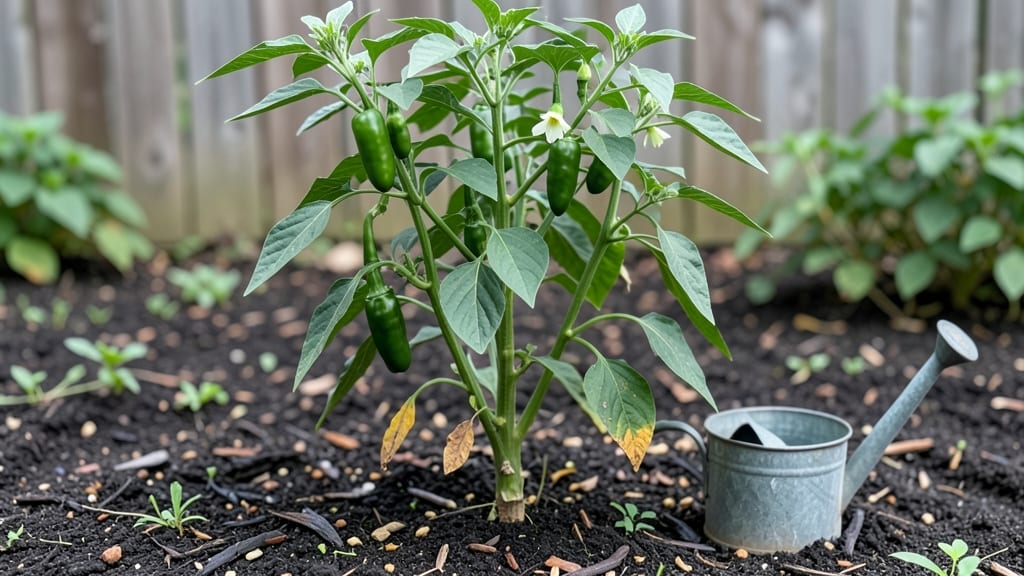
Watering jalapeno plants isn’t just about keeping them alive—it’s about unlocking that signature heat and keeping your harvests bold and abundant. 🌿 I’ve learned the hard way that inconsistent watering turns peppers bland and stunted, but the right routine transforms them into fiery, flavor-packed gems.
The key? Deep, steady hydration that mimics their natural desert roots.
Jalapenos need 1-1.5 inches of water per week, but that changes with heat and soil type. In-ground plants benefit from mulch to retain moisture, while container-grown peppers dry out faster and need daily checks.
Overwatering causes blossom-end rot, while underwatering stresses plants and dulls their spice. I’ve seen both—now I stick to the soak-and-dry method, letting the top inch of soil dry before watering again.
When done right, your peppers develop thicker walls and brighter heat, with fewer bitter notes. The first signs of success? Firm stems, glossy leaves, and flowers that stay vibrant. By midseason, you’ll notice the difference in flavor—deep, smoky, and undeniably spicy. The secret’s in the consistency, not the quantity.
Adjust for summer’s scorching heat or winter’s chill, and remember: containers need more frequent watering than in-ground beds. With these tweaks, your jalapenos won’t just survive—they’ll thrive, delivering the spice you crave. Let’s get those roots happy!
📚 In This Guide
- What you need
- Instructions
- Tips and common mistakes
- Wrapping up and next steps
What you need
- ● Jalapeño seeds or seedlings: 3–5 plants (choose heat-tolerant varieties like Early Jalapeño or Big Jim)
- ● Well-draining potting mix: 5–10 gallons (look for a blend labeled for peppers or veggies, with perlite or sand for aeration)
- ● Containers or garden bed: Containers: 5–7 gallon pots (1 per plant) with drainage holes
- ● Garden bed: Full sun (6+ hours/day) and loose, fertile soil with a pH of 6.0–7.0
- ● Fertilizer: Balanced organic fertilizer (10-10-10 or 5-5-5) or compost (mix 1–2 cups per plant into soil at planting)
- ● Watering can or hose with a gentle nozzle: 1–2 gallons capacity (or a drip irrigation kit for precision)
- ● Mulch: 1–2 inches of straw or shredded leaves (to retain moisture and regulate soil temp)
- ● Gloves: Heavy-duty gardening gloves (jalapeños can irritate skin!)
- ● Pruning shears: Small, sharp pair for trimming leggy stems
- ○ Soil moisture meter: Optional but handy for avoiding over/under-watering
- ● Shade cloth (30–50% coverage): For seedlings or extreme heat (100°F+)
- ○ Café or compost tea: Optional nutrient boost (1 cup per gallon of water, applied every 2–4 weeks)
- ● Support stakes or cages: 3–4 ft tall (for indeterminate varieties that grow tall)
Step-by-Step guide to watering jalapeno plants for maximum heat
Jalapenos thrive with precision watering—too much or too little and you lose that signature fire. Here's how to balance moisture for bold flavor and robust growth.
💧 Step 1: Establish a Deep Watering Routine
Jalapenos need 1-1.5 inches of water per week, but the key is delivering it all at once. I water deeply every 4-5 days during hot weather, letting the soil absorb moisture until it's damp 6 inches down. This encourages roots to grow deeper, which means stronger plants that handle heat better.
Use your finger to check moisture—if the top 2 inches feel dry, it's time to water. If it's still damp, wait another day. Overwatering leads to blossom-end rot, and that ruins your harvest faster than anything. I always water in the early morning so foliage dries quickly, reducing fungal risks.
☀️ Step 2: Adjust for Temperature and Sun Exposure
When temperatures hit above 90°F, jalapenos need more frequent watering—sometimes every 2-3 days. Watch for wilting leaves as your first clue. Mulch with 2-3 inches of organic mulch (like straw or shredded leaves) to lock in moisture and keep roots cool. Without mulch, soil dries out 30% faster in direct sun.
If your plants are in containers, they dry out quicker than in-ground. I check container soil daily during heatwaves—if it feels dry at the surface, water immediately. Containers also need drainage holes or you'll drown the roots, which stunts growth and reduces spice intensity.
🌱 Step 3: Monitor Soil and Plant Health
Healthy jalapeno plants have deep green leaves and firm stems. Yellowing leaves often mean overwatering, while crispy edges signal underwatering. I always check the undersides of leaves for signs of pests—thrips or aphids can stress plants, making them more vulnerable to moisture issues.
If you notice blossom-end rot (black, sunken spots on fruit), cut affected peppers immediately and reduce watering slightly. This condition is a calcium deficiency triggered by inconsistent moisture. A light Epsom salt spray (1 tablespoon per gallon) can help, but fixing watering habits is the real solution.
⏰ Step 4: Taper Water as Fruiting Begins
Once jalapenos start setting fruit, reduce watering by 20% to concentrate their heat. I switch to 1 inch of water per week during fruiting stages. Too much water dilutes flavor and causes the peppers to split. Watch for dark green, glossy leaves—this is your sign they're getting just the right amount.
In the last 2 weeks before harvest, let the soil dry out slightly between waterings. This boosts capsaicin levels, giving your peppers that bold, fiery kick. Harvest when they're 3-4 inches long and still firm for maximum heat. Don't wait until they turn red—jalapenos are best picked green for that classic spice.
Tips & tricks for perfect jalapeno watering
Jalapenos demand precision when it comes to water—get this right and you'll harvest peppers packed with that signature fiery punch. Here's how to avoid common pitfalls and maximize heat potential.
Soil Moisture Test: The finger test in Step 1 is your best friend, but there's a trick to make it more accurate. Press your finger about 1 inch deep—if the soil feels like a wrung-out sponge, it's ready for water. For container plants, use a wooden skewer instead: push it in and check for moisture at the 2-inch mark. This helps prevent both underwatering and overwatering, which both reduce capsaicin production.
Heatwave Strategy: When temperatures climb above 90°F as mentioned in Step 2, consider a drip irrigation system on a timer set for early morning. This delivers consistent moisture without the risk of fungal growth from overhead watering. If you don't have drip irrigation, use a soaker hose instead of a sprinkler—it delivers water directly to the roots where it's needed most, mimicking natural rainfall patterns.
Mulch Matters: The 2-3 inches of organic mulch in Step 2 serves three critical purposes: moisture retention, temperature regulation, and weed suppression. For maximum heat enhancement, use straw mulch—it breaks down slowly and adds organic matter to the soil, which jalapenos love. Apply mulch after watering so it doesn't pull moisture away from the roots during the initial hydration period.
Fruiting Phase Fine-Tuning: When you reduce watering by 20% during the fruiting stage in Step 4, this is where capsaicin really concentrates. For extra heat boost, try a light calcium supplement (like crushed eggshells mixed into the soil) every 2 weeks during this phase. The calcium helps prevent blossom-end rot while supporting cell wall development, which actually increases the pepper's natural heat production.
Pro Tips for Water Jalapeno Plants
- Jalapenos demand precision when it comes to water—get this right and you'll harvest peppers packed with that signature fiery punch.
- Soil Moisture Test: The finger test in Step 1 is your best friend, but there's a trick to make it more accurate.
- Heatwave Strategy: When temperatures climb above 90°F as mentioned in Step 2, consider a drip irrigation system on a timer set for early morning.
Frequently asked questions
How often should I water jalapeno plants?
Jalapenos need consistent moisture—about 1 to 1.5 inches of water per week, especially during fruiting. Water deeply at the base (not the leaves!) to encourage strong roots. Drought stress can reduce spice levels, so mulch around plants to retain moisture. Adjust frequency in extreme heat or drought.
Can I overwater jalapeno plants?
Yes! Overwatering leads to root rot or fungal diseases. Signs include yellowing leaves, wilting, or a foul smell. Let the top inch of soil dry out between waterings. Well-draining soil is key—amend clay soil with compost or perlite. If your container lacks drainage holes, add a layer of gravel at the bottom.
Do jalapenos need extra water in hot weather?
In temperatures above 85°F (29°C), jalapenos may need water every 2–3 days. Water early morning or late evening to reduce evaporation. Watch for drooping leaves—a sign of thirst. Drip irrigation or soaker hoses work best to avoid wetting foliage, which can cause disease.
What if my jalapeno plants look wilted even after watering?
Wilt can mean underwatering, overwatering, or heat stress. Check the soil moisture first. If roots feel mushy, you’ve overwatered. If dry, water deeply and shade plants temporarily. Transplant shock or pests (like aphids) can also cause wilting. Inspect leaves for holes or sticky residue—neem oil spray may help if pests are the culprit.
Can I use rainwater or tap water for jalapenos?
Both work, but rainwater is ideal—it’s naturally soft and free of chlorine/fluoride. If using tap water, let it sit out for 24 hours to dissipate chemicals. Avoid salty or heavily treated water, which can harm soil over time. For container plants, use filtered or distilled water to prevent mineral buildup.
What’s the best way to adjust watering for container-grown jalapenos?
Containers dry out faster than garden beds. Water when the top inch of soil feels dry, and use self-watering pots or saucers to catch excess. Terracotta pots dry quicker than plastic—adjust frequency accordingly. In summer, check soil moisture daily and move pots to shade if wilting occurs.
Wrapping up and next steps
Growing spicy, heat-packed jalapeños is all about consistency and care—especially when it comes to watering! 🌱 By now, you know the golden rules: soak the soil deeply but avoid soggy roots, adjust for heatwaves, and mulch to lock in moisture.
With the right technique, your plants will reward you with bold, fiery peppers all season long.
Ready to level up your harvest? Start by tracking your watering schedule in a journal—note what works (and what doesn’t!)—then experiment with companion plants or organic fertilizers to boost flavor and yield. Happy growing, spice lover! 🌶️✨