
Companion Plants
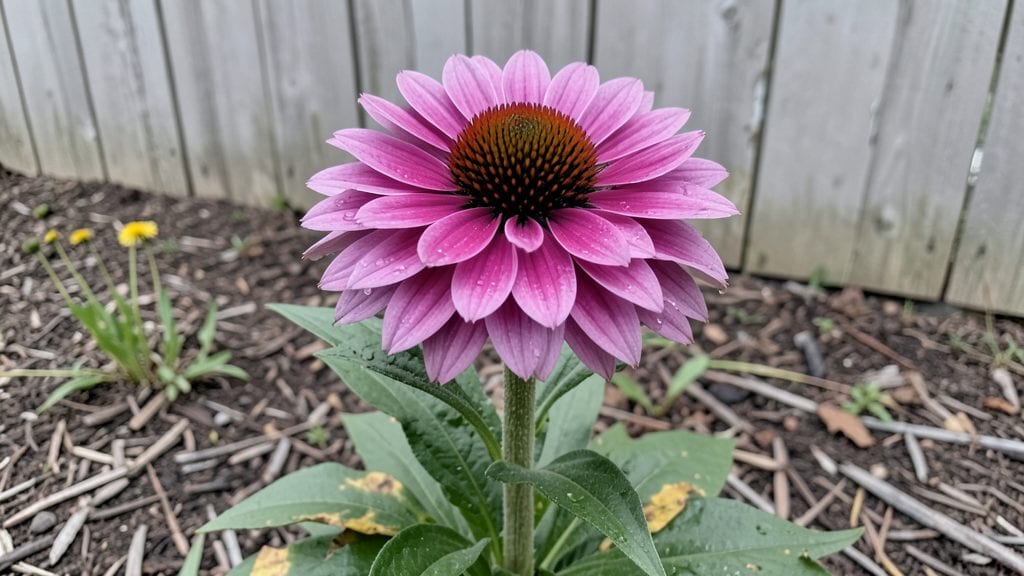
Those double coneflower plants transform your garden into a buzzing, blooming paradise from late spring through frost—just like the first time I saw one, with their thick petals drawing bees, butterflies, and more. 🌻 hummingbirds.
The secret to their showstopping performance starts with the right spot and soil, but even beginners can nail it.
These plants thrive in full sun but handle partial shade better than many perennials, making them versatile for different garden spots. Well-draining soil with a touch of compost sets them up for success—no fancy amendments needed.
Water them deeply once a week after establishment, and you’ll see those iconic blooms popping up reliably year after year.
What makes double coneflowers special isn’t just their looks—it’s how they keep giving. After the flowers fade, leave the seed heads for winter interest and food for birds.
Prune back stems in early spring to encourage fresh growth, and you’ll have a plant that looks good even when it’s not blooming. The pollinators will thank you too.
Perfect for borders, cottage gardens, or even containers on patios. Once planted, they spread gently over time, creating natural drifts that multiply your impact with minimal effort. Let’s get yours growing strong!
📚 In This Guide
- What you need
- Instructions
- Tips and common mistakes
- Wrapping up and next steps
What you need
- ● Double coneflower seeds or seedlings: Choose from varieties like Echinacea purpurea ‘White Swan,’ ‘Magnus,’ or ‘Hot Papaya’ (10–20 plants for a pollinator-friendly patch).
- ● Well-draining potting mix or garden soil: Amend with compost (20–30%) for fertility (avoid heavy clay).
- ● Organic mulch (2–3 inches): Shredded bark, straw, or pine needles to retain moisture and suppress weeds.
- ○ Balanced fertilizer (5-10-5 or 10-10-10): Apply 1–2 tbsp per plant at planting and mid-season (optional for low-maintenance gardens).
- ● Watering can or hose with a gentle spray nozzle: Double coneflowers tolerate drought but need consistent moisture when establishing roots.
- ● Garden trowel or transplant spade: For digging holes (6–8 inches deep for seeds, 12–18 inches for transplants).
- ● Hand pruners or shears: For trimming dead foliage or spent blooms (sterilize with rubbing alcohol between cuts).
- ○ Gloves (optional): Protect your hands from thorns or prickly stems.
- ● Measuring tape or ruler: Ensure proper spacing (18–24 inches apart for full sun, 12–18 inches for partial shade).
- ● Sunlight: Full sun (6+ hours/day) for vibrant blooms; tolerates partial shade (4–6 hours).
- ● Hardiness zone: USDA Zones 3–9 (check your zone here).
- ● Soil pH: Slightly acidic to neutral (6.0–7.0; test with a soil kit if unsure).
- ○ Companion plants (optional): Pair with bee balm, black-eyed Susans, or lavender for a pollinator superhighway!
Step-by-step guide to planting double coneflower for pollinator-friendly gardens
Here's how to establish these vibrant blooms that keep bees and butterflies buzzing all season.
🌱 Step 1: Choose the Perfect Planting Location
Double coneflowers thrive in full sun—select a spot that receives at least 6-8 hours of direct sunlight daily. These plants tolerate a range of soil types but prefer well-draining soil with a slightly alkaline pH between 6.5-7.5. If your soil is heavy clay, amend it with 2-3 inches of compost before planting to improve drainage.
I always check the site in late afternoon when the sun is lower—this helps me visualize how the plants will grow and spread. Double coneflowers develop 2-3 foot wide clumps over time, so space them 18-24 inches apart to allow for proper air circulation and prevent disease.
🪴 Step 2: Prepare the Planting Site and Transplant Bare-Root Plants
Dig holes that are twice as wide as the root ball but only as deep as the container the plant came in. Gently remove your double coneflower from its container and loosen any circling roots with your fingers. This encourages outward root growth instead of a tangled mass.
Place the plant in the hole and backfill with soil, pressing lightly around the base to eliminate air pockets. Water deeply to settle the soil and remove any tags or protective wrappings from the plant. I like to add a 1-inch layer of mulch around the base (but not touching the stem) to retain moisture and suppress weeds.
☀️ Step 3: Water and Establish New Plants
Water your newly planted double coneflowers deeply once a week for the first 4-6 weeks to encourage strong root development. You'll know they're getting enough water when the soil feels moist 2-3 inches below the surface. Avoid overhead watering to prevent fungal diseases—water at the base instead.
These plants are drought-tolerant once established, but young plants need consistent moisture. Watch for wilting leaves—this is your signal to water. After the initial establishment period, you can reduce watering to once every 10-14 days, unless your area experiences extreme heat or drought.
✂️ Step 4: Maintain and Encourage Blooms
Deadhead spent blooms in late summer or early fall to encourage a second flush of flowers. Simply pinch off the faded flower heads with your fingers or pruners. This practice also prevents the plant from putting energy into seed production and redirects it toward new growth.
In early spring, cut back the previous year's stems to 4-6 inches above the ground. This rejuvenates the plant and promotes bushier growth. Double coneflowers are hardy perennials that will return year after year with proper care—just give them full sun, good drainage, and minimal fuss.
🌿 Step 5: Enjoy Year-Round Beauty and Pollinator Support
Once established, your double coneflowers will provide months of color from mid-summer through fall, with dried seed heads that persist through winter. These plants are a pollinator magnet, attracting bees, butterflies, and birds. You'll notice an increase in garden visitors within weeks of planting.
In late winter, you can divide mature clumps every 3-4 years to maintain vigor. Simply dig up the plant, separate the roots, and replant the divisions. This also gives you more plants to share with fellow gardeners—or to fill gaps in your own landscape.
Tips & tricks for perfect double coneflower planting
Here's what I wish I knew before planting my first double coneflower—these tricks make all the difference for healthy, thriving plants.
Sunlight Secret: Those 6-8 hours of sunlight are non-negotiable, but here's the thing: morning sun is more forgiving than afternoon heat. If you're in a hot climate, prioritize afternoon shade during peak summer months. I've seen plants struggle in full afternoon sun even when they got morning light—watch for leaf scorch as your early warning sign.
Soil Prep Strategy: The 2-3 inches of compost recommendation is perfect, but don't stop there. Mix in a handful of perlite or coarse sand if your soil is particularly dense. This creates tiny air pockets that help roots breathe, especially important during the first 4-6 weeks when roots are establishing. I've seen plants wither in heavy clay even with compost—this extra step makes the difference.
Watering Wisdom: That once-a-week watering guideline assumes average rainfall. In my experience, checking soil moisture is more reliable than counting days. Stick your finger 2-3 inches down—if it feels dry, water deeply. I've ruined perfectly good plants by assuming "once a week" meant exactly that, without checking actual soil conditions. Wilting leaves are your plant's SOS signal, so don't wait until then!
Mulch Magic: The 1-inch layer of mulch serves double duty beyond moisture retention. It also regulates soil temperature—keeping roots cool in summer and insulated in winter. I like to use shredded bark mulch because it breaks down slowly and adds organic matter to the soil over time. Just remember to keep it 1-2 inches away from the stem to prevent rot.
Pro Tips for Double Coneflower Plants
- Here's what I wish I knew before planting my first double coneflower—these tricks make all the difference for healthy, thriving plants.
- Sunlight Secret: Those 6-8 hours of sunlight are non-negotiable, but here's the thing: morning sun is more forgiving than afternoon heat.
- Soil Prep Strategy: The 2-3 inches of compost recommendation is perfect, but don't stop there.
Frequently asked questions
Got questions about growing double coneflower plants? You’re not alone! Here are some of the most common queries—plus straightforward answers to help you cultivate these pollinator powerhouses with confidence.
When is the best time to plant double coneflowers?
Double coneflowers thrive when planted in early spring or early fall. This timing lets roots establish before extreme summer heat or winter cold. If you’re in a mild climate, fall planting can even give you blooms the following year!
How often should I water double coneflowers?
These drought-tolerant beauties need moderate watering—about 1 inch per week. Once established (after the first year), they’re tough enough to handle dry spells. Just avoid soggy soil, which can cause root rot. Pro tip: Water at the base, not the leaves, to keep blooms dry and healthy.
Why aren’t my double coneflowers attracting pollinators?
If bees and butterflies are skipping your plants, check these fixes:
- Deadhead spent blooms to encourage new flowers.
- Ensure they’re in full sun (6+ hours/day)—pollinators love sunny spots!
- Plant near native companion plants like bee balm or black-eyed Susans for a pollinator buffet.
Can double coneflowers grow in containers?
Choose a large container (12+ inches deep) with well-draining soil. Dwarf varieties like ‘Magnus’ work best in pots. Just ensure the container gets full sun and water regularly until roots establish. Bonus: They’ll add height and color to balconies or patios!
What pests or diseases should I watch for?
Double coneflowers are generally low-maintenance, but keep an eye out for:
- Aphids or spider mites—spray with water or use neem oil if you spot them.
- Powdery mildew in humid conditions—improve airflow and avoid overhead watering.
- Rust or leaf spots—remove infected leaves and space plants for better circulation.
Most issues are preventable with proper care and a little vigilance!
Wrapping up and next steps
Double coneflower plants are a low-maintenance, high-reward addition to any garden, offering year-round beauty and a vital boost to pollinators. Whether you’re drawn to their striking blooms, resilience, or ecological benefits, these perennials prove that easy care can yield stunning results. 🌿
Ready to transform your garden? Start by selecting a sunny spot, gathering your supplies, and planting with confidence—your pollinators (and future self) will thank you! Next, explore companion plants like bee balm or lavender to create an even more vibrant ecosystem.