
Pruning
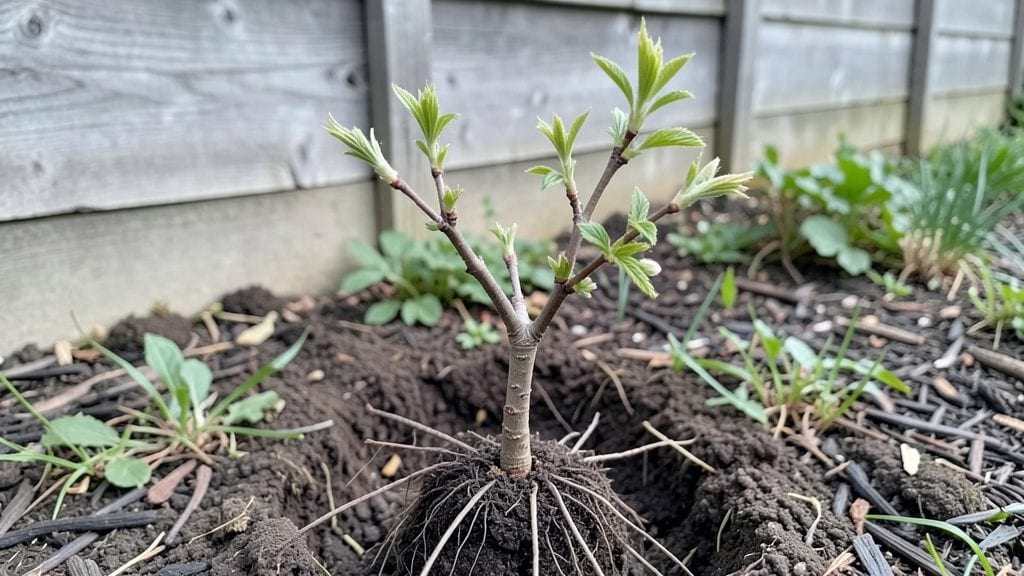
Planting a sakura tree isn’t just about adding beauty—it’s about bringing a piece of tradition to your landscape. I’ve planted three varieties, and the key to their stunning pink blooms lies in the right timing, soil, and a little patience.
The first year is critical: get it wrong, and you’ll struggle with weak growth or sparse flowers. But nail it, and you’ll have a tree that becomes the centerpiece of your yard for decades.
The best time to plant is early spring or fall, when temperatures are mild and the tree can establish roots without stress. Choose a spot with 6 to 8 hours of sunlight and well-draining soil—sakuras hate soggy feet.
Dig a hole twice as wide as the root ball but no deeper, then mix in compost to give it a nutrient boost from day one. Most beginners overlook soil prep, but this step makes all the difference in long-term health.
Once planted, water deeply every 2-3 days for the first month to help roots spread. After that, you’ll taper off to weekly waterings, but mulch around the base to keep moisture in and weeds out. The payoff?
Within 3-5 years, your tree will burst into vibrant pink or white blooms every spring, creating a show that lasts weeks. And with proper pruning timing—yes, that’s coming—you’ll keep those blooms coming back bigger and brighter each year.
Sakuras thrive in zones 5-8, but varieties like Prunus serrulata ‘Kanzan’ or ‘Somei-Yoshino’ adapt well to different climates. The secret to year-round interest isn’t just the flowers—it’s the glossy green leaves in summer and the stunning fall color that many gardeners overlook.
Whether you’re planting for tradition, beauty, or both, this tree will reward you for years to come.
📚 In This Guide
- What you need
- Instructions
- Tips and common mistakes
- Wrapping up and next steps
What you need
- ● Sakura tree sapling: Choose a Prunus serrulata (Japanese cherry) or a hybrid variety (e.g., 'Kanzan' or 'Somei-Yoshino'). Opt for a 1- to 3-gallon container-grown tree for best transplant success.
- ● Shovel or trowel: A round-point shovel (18–24 inches) for digging or a hand trowel for smaller holes.
- ● Compost or well-aged manure: 5–10 gallons to enrich the soil (avoid fresh manure—it can burn roots!).
- ● Mulch (wood chips or pine straw): 2–3 inches to retain moisture and suppress weeds. Keep mulch 3–4 inches away from the trunk.
- ● Watering can or hose with a gentle spray nozzle: For deep watering (1–2 gallons per week) after planting.
- ● Garden gloves: To protect your hands from thorns and soil.
- ○ Staking system (optional but recommended for young trees): 2–3 wooden stakes (4–6 feet tall)
- ● Soft tree tie straps or rubber stakes (avoid wire—it can damage bark).
- ● Soil test kit: To check pH (sakura trees prefer slightly acidic to neutral soil, pH 6.0–7.0). Adjust with lime or sulfur if needed.
- ● Fertilizer (balanced, slow-release): 10-10-10 or 20-20-20 (apply sparingly—over-fertilizing harms young roots!).
- ● Tree collar or guard: A plastic or metal ring to protect the trunk from lawnmowers.
- ● Drip irrigation kit: For automated watering (especially useful in hot climates).
- ● Pruning shears (bypass type): For shaping and removing dead branches (sterilize with rubbing alcohol between cuts!).
Step-by-Step instructions for planting a sakura tree
Here’s my foolproof method for planting a sakura tree that thrives and blooms reliably for decades.
Select the Optimal Planting Location
Sakura trees need full sun—at least 6 hours of direct sunlight daily—to develop vibrant blooms and strong growth. Avoid low-lying areas where cold air settles, as sakuras are sensitive to frost damage. I always choose a spot with well-draining soil and space to accommodate the tree’s mature size, which can reach 20-30 feet wide depending on the variety.
Test the soil drainage by digging a 12-inch hole and filling it with water. If it drains within 30 minutes, the site is suitable. If not, amend the soil with 2-3 inches of compost or sand to improve aeration. The tree’s root system will thank you for this preparation, especially in clay-heavy soils.
Prepare the Planting Hole and Amend Soil
Dig a hole twice as wide as the tree’s root ball but no deeper—sakuras dislike being buried too deeply, which can suffocate roots. Loosen the sides of the hole with a shovel to encourage root spread. If your soil is sandy, mix in 2-3 gallons of organic matter like compost or aged manure to retain moisture and nutrients.
Gently remove the tree from its container and inspect the roots. If they’re circling tightly, use your fingers to tease them outward. This prevents girdling, a common issue that stunts growth. Place the tree in the hole so the top of the root ball sits level with the surrounding soil—never mound soil against the trunk.
Plant and Water Thoroughly
Backfill the hole with the native soil, tamping lightly every 3-4 inches to eliminate air pockets. Avoid compacting the soil too firmly, as this restricts root expansion. Once planted, water deeply—10-15 gallons—to settle the soil and eliminate gaps. The water should drain away within 15-30 minutes; if it pools, the hole is too deep.
Mulch the base with 2-3 inches of organic mulch, like wood chips or shredded bark, extending it 2-3 feet outward but keeping it 6 inches away from the trunk. This conserves moisture, regulates soil temperature, and suppresses weeds. Water again lightly to help the mulch settle and retain moisture against the roots.
Prune for Structure and Health
The best time to prune a newly planted sakura is late winter or early spring, just before bud break. Remove any dead, damaged, or crossing branches first, cutting at a 45-degree angle just outside the branch collar. Thin out crowded branches to improve airflow, which reduces disease risk. For young trees, I limit pruning to no more than 25% of the foliage to avoid stress.
If your sakura is mature and blooming poorly, prune immediately after flowering to shape the tree and encourage next year’s blooms. Never prune in fall—this stimulates new growth that won’t harden off before winter, leaving the tree vulnerable to frost damage. Use sterilized pruning tools to prevent bacterial infections.
Maintain Through the First Year
Water your sakura deeply once a week during the first growing season, providing 15-20 gallons per watering. Check soil moisture by inserting your finger 2 inches deep—if it’s dry, it’s time to water. Overwatering is just as harmful as underwatering, so adjust based on rainfall. In containers, water every 2-3 days until the soil feels dry to the touch.
Fertilize lightly in early spring with a balanced, slow-release fertilizer (10-10-10 ratio). Avoid high-nitrogen fertilizers, which promote leafy growth at the expense of blooms. Monitor for pests like aphids or scale, which can stress young trees. A neem oil spray applied in early summer keeps pests at bay without harming beneficial insects.
Tips & tricks for perfect sakura tree planting
A few essential strategies will help your sakura tree establish strong roots and flourish for decades of stunning blooms.
Soil Drainage is Non-Negotiable: In Step 1, when testing soil drainage with the 12-inch hole, pay close attention to how quickly water drains. If it takes longer than 30 minutes, you'll need to amend the soil more aggressively—consider mixing in additional sand or perlite to create proper drainage channels. Clay-heavy soils often require this extra step, and skipping it can lead to root rot that will kill your tree before it even establishes.
Root Ball Position Matters: During Step 2, when placing your sakura in the hole, resist the urge to mound soil against the trunk. The top of the root ball should sit exactly level with the surrounding soil—no higher, no lower. I've seen many gardeners bury the trunk too deeply, which suffocates the tree and prevents proper oxygen flow to the roots. This subtle detail makes all the difference in long-term health.
Watering Strategy for First Year: The deep watering instructions in Step 3 are crucial, but timing matters just as much as quantity. After planting, water immediately with 10-15 gallons, then wait until the soil is completely dry 2 inches down before watering again. This mimics natural rainfall patterns and encourages deep root growth rather than shallow, weak roots that develop from frequent light watering.
Pruning Precision: When pruning in Step 4, remember that the 45-degree angle cut is essential for proper healing. Always cut just outside the branch collar—the swollen area where the branch meets the trunk. This technique promotes faster healing and prevents disease entry points. For young trees, I recommend marking branches you want to remove with flagging tape before making cuts—this helps visualize the final shape without over-pruning.
Pro Tips for Sakura Tree Planting
- A few essential strategies will help your sakura tree establish strong roots and flourish for decades of stunning blooms.
- Soil Drainage is Non-Negotiable: In Step 1, when testing soil drainage with the 12-inch hole, pay close attention to how quickly water drains.
- Root Ball Position Matters: During Step 2, when placing your sakura in the hole, resist the urge to mound soil against the trunk.
Frequently asked questions
Got questions about planting and caring for your sakura tree? You’re not alone! Here are some of the most common queries—plus straightforward answers to help you grow a stunning, long-blooming tree.
When is the best time to plant a sakura tree?
The ideal time to plant a sakura tree is in late fall or early spring (October–April in most climates). This gives roots time to establish before extreme heat or cold. Avoid planting in summer—young trees struggle with drought stress. If you must plant in summer, water deeply daily for the first 2–3 weeks.
How long does it take for a sakura tree to bloom?
Most sakura trees take 3–5 years to produce flowers after planting, depending on the variety and growing conditions. Dwarf varieties may bloom sooner (2–3 years), while standard trees can take up to 7 years. Patience pays off—proper pruning and care accelerate blooming!
Can I plant a sakura tree in a pot instead of the ground?
Yes! Sakura trees thrive in large containers (15+ gallons) if given proper drainage and regular watering. Choose a dwarf or semi-dwarf variety (like Kanzan or Shidare) for better pot success. Repot every 2–3 years and use a well-draining soil mix. Just know: potted sakuras have shorter lifespans (10–15 years vs. 30+ in the ground).
Why aren’t my sakura leaves turning pink/red like I expected?
Sakura trees don’t naturally turn pink or red—that’s a myth! Their famous blooms are white, pink, or light purple, but foliage stays green (though some varieties like Benifuuki have deep red leaves). If your leaves are yellowing, check for overwatering, nutrient deficiency, or fungal issues. Prune dead branches and adjust care to revive your tree.
Do sakura trees need winter protection?
Most sakura trees are hardy to USDA Zones 5–8, but young trees or tender varieties (like Somei-Yoshino) benefit from winter mulch (3–4 inches of shredded bark) and wrapping the trunk with burlap if temps drop below 10°F. Avoid heavy snow buildup—gently brush it off branches to prevent breakage.
Pro Tip:
For year-round blooms, plant multiple sakura varieties with staggered flowering times (e.g., early Yoshino, mid-season Kanzan, late Shirotae). This ensures your tree stays in bloom from early spring to summer!
Wrapping up and next steps
Planting a sakura tree is a rewarding journey that brings beauty and serenity to your space—when done right!
By choosing the perfect timing, preparing the soil, and mastering pruning techniques, you’ll enjoy stunning blooms year after year. 🌸 Whether you’re a seasoned gardener or just starting, every step you take brings you closer to a thriving, picturesque tree.
Now that you’re armed with the know-how, why not take the next step today? Pick a sunny spot, gather your tools, and start planting—your future blooms will thank you! 🌱