
Companion Plants
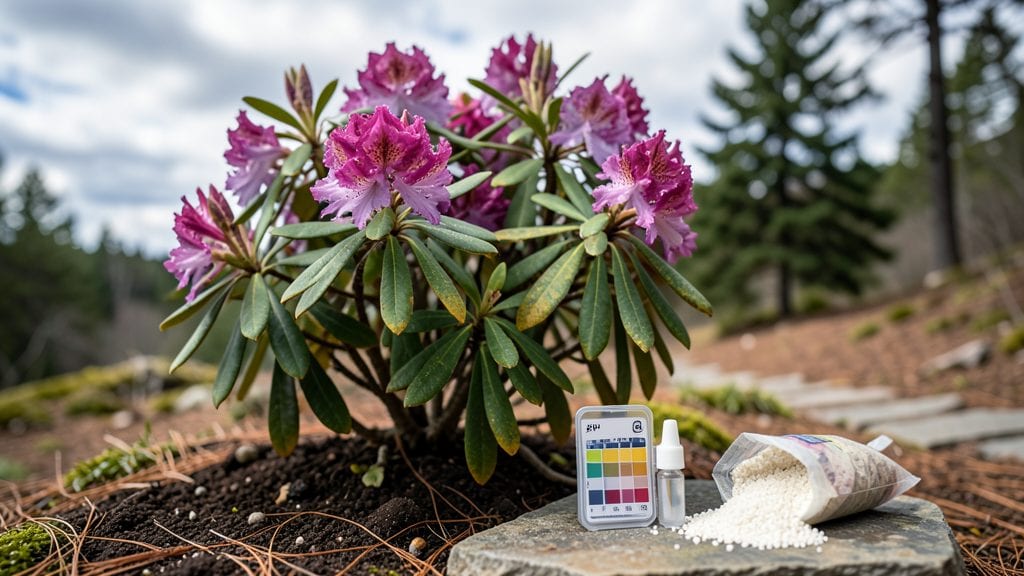
Alkaline soil for plants creates a pH environment above 7.0, which locks away essential nutrients like iron and phosphorus while benefiting hardy species such as lavender, rosemary, and asparagus that naturally thrive in these conditions.
When soil becomes too alkaline, it creates a chemical imbalance that makes vital micronutrients unavailable to most plants. 🌱 The high pH alters nutrient solubility, turning iron and manganese into forms that roots simply can't absorb—even when they're present in the soil.
This is why many gardeners struggle with yellowing leaves or stunted growth in alkaline conditions, despite using balanced fertilizers. The good news? With the right plant selection and soil amendments, you can transform what seems like a limitation into a specialized growing advantage.
For example, blueberries and azaleas actually require acidic soil, but lavender and thyme don't just tolerate alkaline conditions—they prosper in them. The key is understanding which plants align with your soil's natural chemistry.
If you're dealing with alkaline soil, focus on species that have evolved to handle these conditions, or take steps to adjust the pH gradually using organic matter like pine needles or elemental sulfur.
💡 In This Article
- How Alkaline Soil Disrupts Nutrient Absorption in Plants
- Best Alkaline-Tolerant Plants and Soil Adjustment Tips
How alkaline soil disrupts nutrient absorption in plants
Here's what's actually happening at the molecular level: When soil pH climbs above 7.0, it triggers a chain reaction that locks away essential micronutrients. Iron, for example, transforms from its soluble Fe²⁺ form into insoluble Fe(OH)₃ compounds that precipitate out of solution.
This process is called hydrolysis, and it effectively removes iron from the plant's reach—even when the soil contains ample amounts. The same fate befalls manganese and zinc, which form similar insoluble hydroxides in alkaline conditions.
The problem deepens because alkaline soils often contain high concentrations of calcium and magnesium.
These abundant cations outcompete micronutrients for root absorption sites, creating what scientists call nutrient antagonism. 🌱 Imagine trying to drink through a straw while someone else is blocking it with their finger—this is the physiological stress plants experience.
The roots can't access the nutrients they desperately need, even when they're present in the soil matrix. This explains why plants in alkaline conditions often show classic deficiency symptoms like chlorosis (yellowing leaves) despite receiving balanced fertilizer.
What most people don't realize is how this affects plant metabolism. When iron becomes unavailable, chlorophyll production grinds to a halt in new growth, creating those telltale yellow patches between leaf veins.
Zinc deficiency leads to stunted growth and distorted leaves, while phosphorus becomes bound to calcium compounds, forming apatite minerals that plants can't dissolve. The plant's energy shifts from growth to survival mode, diverting resources to produce more roots in search of nutrients—resources that could otherwise be building flowers or fruit.
Interestingly, some plants have evolved clever workarounds. Calciumsensitive species like lavender and rosemary produce organic acids in their roots that locally acidify the rhizosphere (the soil immediately around roots), creating microscopic pockets where nutrients become available again.
This targeted approach is why these plants thrive in alkaline conditions while others struggle. The trade-off? They often grow more slowly because maintaining this chemical balance requires significant metabolic energy.
Consider this comparison: In acidic soil (pH 5.5-6.5), plants have easy access to 90% of available iron, while in alkaline soil (pH 7.5-8.5), that number drops to just 5-10%. This dramatic difference explains why soil pH testing is the first step in any plant health diagnosis.
The good news is that understanding these mechanisms lets you make informed choices about which plants to grow and how to modify your soil's chemistry for optimal nutrient availability.