
Companion Plants
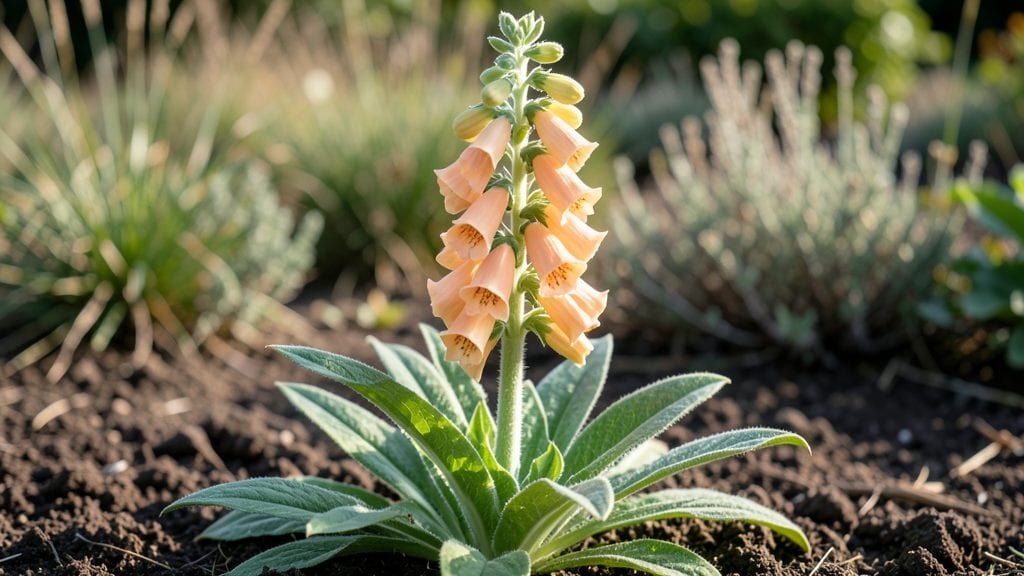
The apricot foxgloves you're eyeing aren't just striking—they're pollinator magnets that transform any garden corner into a buzzing hotspot. 🌿 I planted mine last spring, and within weeks, bees and butterflies turned my shady border into a living tapestry of movement.
Their bright apricot blooms stand out against dark foliage, but the real magic happens when they pair with the right neighbors.
These foxgloves thrive in partial shade where many plants struggle, making them perfect for understory planting near apricot trees. They're not fussy about soil as long as it drains well—my rocky clay loam works fine as long as I add compost at planting.
The key is spacing them 18-24 inches apart so their spiky flower stalks don't crowd each other, creating that signature cottage-garden look.
What you'll love most is how they attract pollinators while keeping pests away. The tall flower spikes deter rabbits, and their deep roots improve soil structure over time. By midsummer, you'll have a vertical display of color that lasts until frost, with seeds that self-sow for next year's free show.
The only challenge is deadheading spent blooms to encourage more flowers—though even that feels like a small price for such dramatic results.
Works beautifully alongside lavender, catmint, or even hostas for a layered effect. The foxgloves' height creates drama while the shorter perennials add texture at the base. Here's how to get them established and thriving in your garden—no green thumb required.
📚 In This Guide
- What you need
- Instructions
- Tips and common mistakes
- Wrapping up and next steps
What you need
- ● Apricot foxgloves (Digitalis ferruginea): 5–10 healthy plants (purchased as nursery-grown seedlings or seeds)
- ● Seed option: 1 packet of apricot foxglove seeds (approx. 500 seeds)
- ● Companion plants (select 3–5 from the list below): 1–2 lavender bushes (Lavandula spp.)
- ● 3–5 thyme plants (Thymus vulgaris)
- ● 1–2 rosemary bushes (Rosmarinus officinalis)
- ● 5–10 marigold plants (Tagetes spp.) for pest control
- ● 1–2 bee balm plants (Monarda spp.) for pollinators
- ● Soil amendments: 5–10 lbs of well-aged compost or organic matter
- ● 1–2 lbs of bone meal (for phosphorus-rich soil)
- ○ 1 cup of mycorrhizal fungi (optional but beneficial)
- ● Gardening tools: 1 trowel or transplanting spade
- ● 1 hand pruner (sterilized)
- ● 1 garden fork or hoe for soil prep
- ● 1 watering can or hose with a gentle spray nozzle
- ● 1 pair of gardening gloves
- ● Location & conditions: Full sun to partial shade (6+ hours of sunlight daily)
- ● Well-draining soil (pH 6.0–7.0)
- ● Space allowance: 2–3 feet between foxgloves and 1–2 feet for companions
- ● Mulch (straw or wood chips) to retain moisture
- ● Organic fertilizer (e.g., fish emulsion or worm castings)
- ● Pollinator-friendly rocks or a small water source (birdbath)
- ● Label markers for plant identification
How to pair apricot trees with pollinator-friendly foxgloves
Here's how to create a thriving, bee-loving garden around your apricot tree using foxgloves.
🌱 Step 1: Select the Right Foxglove Varieties for Your Climate
Start with apricot-colored foxgloves like 'Apricot Glow' or 'Rosy Apricot'—their soft hues complement apricot blossoms beautifully. These varieties thrive in USDA zones 3-8 and prefer partial shade to full sun (6+ hours daily). I always check my local nursery for native foxglove strains, as they adapt better to local pollinators like bees and hummingbirds.
Plant foxgloves 12-18 inches away from your apricot tree's drip line. This spacing prevents root competition while keeping them close enough to share pollinators. If your apricot tree is young, wait 1-2 years before planting foxgloves to let its root system establish first.
☀️ Step 2: Prepare the Soil for Pollinator-Friendly Growth
Foxgloves love well-draining, slightly acidic soil (pH 6.0-7.0). Mix 2 gallons of compost into the top 6 inches of soil around your apricot tree's perimeter. This boosts soil life while keeping the apricot tree's roots happy—they both need rich but not soggy conditions.
Add a 1-inch layer of mulch (like shredded bark) to retain moisture and suppress weeds. Keep mulch 2 inches away from the apricot tree trunk to prevent rot. Water the area deeply until the soil is 6 inches damp—foxgloves hate soggy roots but thrive when consistently moist.
🌿 Step 3: Plant Foxgloves in Clusters for Maximum Pollinator Appeal
Dig holes twice as wide as the foxglove root ball but no deeper. Place 3-5 foxglove plants in each hole, spacing them 8-12 inches apart. This clustering mimics their natural growth habits and creates a pollinator magnet—bees and butterflies will visit in waves.
Fill the holes with soil, pressing gently to remove air pockets. Water immediately to settle the roots. I like to add a handful of bone meal (1 tablespoon per plant) at planting time for slow-release phosphorus—foxgloves need it for strong stems and blooms.
💧 Step 4: Water and Fertilize for Continuous Bloom Cycles
Water foxgloves deeply once a week during dry spells, aiming for 1 inch of water per week. Let the soil dry slightly between waterings—foxgloves rot easily if overwatered. You'll know they're happy when their leaves stay upright and blooms open fully in the morning.
Feed them every 6 weeks with a balanced 10-10-10 fertilizer (1 tablespoon per plant). Stop fertilizing 8 weeks before winter to let foliage harden off. Deadhead spent blooms to encourage second flushes—this keeps pollinators coming back all season.
⏰ Step 5: Maintain the Pairing Through Seasons
In spring, trim back any dead foxglove stems but leave seed pods for next year's plants. Apricot trees respond well to this light pruning, too—it keeps their shape tidy while foxgloves regrow lushly.
By late summer, foxgloves may flop over. Stake taller varieties with 3-foot bamboo stakes tied loosely with twine. This supports their height while keeping them upright for pollinators. In fall, cut back foxgloves by half to prevent flopping and protect the apricot tree's roots from winter moisture.
Tips & tricks for perfect apricot tree foxglove pairings
Creating a pollinator paradise around your apricot tree doesn't have to be complicated—just strategic. Here's what I've learned after pairing these plants successfully in my own garden.
Climate Matching: Don't just grab any foxglove variety! The apricot-colored types like 'Apricot Glow' are specifically chosen to complement your tree's blossoms while thriving in the same conditions. I've found that native strains from your region often perform better because they're already adapted to your local pollinators—bees and hummingbirds will recognize them immediately. For example, if you're in zone 5, look for foxgloves that naturally grow wild in your state.
Root System Strategy: The 12-18 inch spacing between foxgloves and your apricot tree's drip line is crucial for preventing root competition. I've seen gardens where foxgloves were planted too close, and the apricot trees struggled with stunted growth. For young trees, that 1-2 year waiting period gives their roots time to establish before adding the foxgloves—it's like giving your tree a head start in the root race.
Soil Science: That 6.0-7.0 pH range for foxgloves is non-negotiable—they're particular about their soil chemistry. I've learned to test my soil before planting, and if it's too alkaline, I mix in sulfur to adjust it gradually. The 2 gallons of compost per tree perimeter isn't just about nutrients—it's about creating that ideal well-draining environment both plants need. And remember, that 6-inch deep watering isn't just a suggestion; it's how you ensure the roots get properly hydrated without waterlogging.
Pollinator Power Move: The clustering technique in Step 3 isn't just for looks—it's a pollinator magnet strategy. When you plant those 3-5 foxgloves together, you create a visual and scent beacon that attracts bees in waves. I've timed my plantings to ensure foxgloves bloom when apricot trees are in full flower, creating a continuous pollinator buffet. The bone meal addition might seem small, but that 1 tablespoon per plant gives them the phosphorus boost they need for those strong stems and abundant blooms.
Pro Tips for Apricot Foxgloves Plants
- Creating a pollinator paradise around your apricot tree doesn't have to be complicated—just strategic.
- Climate Matching: Don't just grab any foxglove variety!
- Root System Strategy: The 12-18 inch spacing between foxgloves and your apricot tree's drip line is crucial for preventing root competition.
Frequently asked questions
Got questions about growing apricot foxgloves as companion plants?
Here are some of the most common ones—plus quick, practical answers to help you nurture a thriving garden ecosystem!
Can apricot foxgloves grow in containers or only in garden beds?
Apricot foxgloves (Digitalis purpurea) thrive in garden beds but can also grow in large containers (at least 12" deep). Use well-draining soil and ensure the pot has drainage holes. Place containers in partial shade to mimic their natural woodland habitat. Pro tip: Mix in compost for extra nutrients if space is limited!
How long does it take for apricot foxgloves to bloom after planting?
With proper care, apricot foxgloves typically bloom within 60–90 days after planting seeds. If starting from transplants, expect flowers in 4–6 weeks. Key factor: Consistent moisture and partial shade speed up growth. Deadhead spent blooms to encourage a second flush!
Are apricot foxgloves safe for pollinators like bees and butterflies?
Yes! While foxgloves are toxic if ingested by humans/pets, they’re a magnet for pollinators, including bees and hummingbirds. Their nectar-rich flowers support local ecosystems—just avoid planting near veggie gardens where curious pets might nibble. Bonus: Pair them with lavender or bee balm for a pollinator powerhouse!
Why are my apricot foxgloves wilting or turning yellow?
Wilting or yellowing leaves often signal overwatering, poor drainage, or fungal issues. Ensure soil stays moist but not soggy and mulch to retain humidity. If leaves yellow, check for powdery mildew (common in humid climates) and improve airflow. Fix: Trim affected foliage and avoid overhead watering.
What’s a great alternative if foxgloves don’t thrive in my climate?
If your zone is too hot/dry for foxgloves, try Russian sage (Perovskia atriplicifolia), columbine (Aquilegia), or lobelia. These pollinator favorites tolerate similar conditions (partial shade) and add vibrant color. Tip: Russian sage pairs beautifully with apricot trees and attracts bees year-round!
Wrapping up and next steps
Growing apricot foxgloves alongside your apricot trees isn’t just a smart gardening choice—it’s a win-win for both beauty and biodiversity! 🌿 These striking companions attract pollinators, deter pests, and create a thriving ecosystem while adding drama to your landscape.
Whether you’re a seasoned gardener or just starting out, planting foxgloves is a simple yet impactful way to elevate your orchard’s health and charm.
Ready to transform your apricot grove? Start small—try a few foxglove plants this season—and watch your garden flourish! 🌸 For even more inspiration, explore other pollinator-friendly pairings to maximize your harvest and happiness.