
Lawn
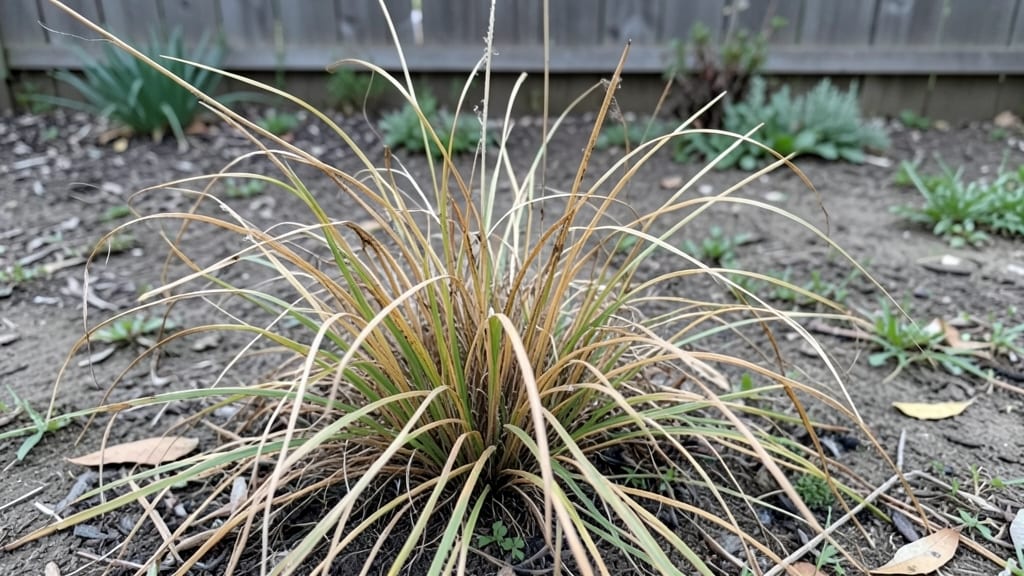
A burning grass plant is your lawn’s cry for help—don’t ignore the brown patches, because I’ve revived even the most scorched patches with these three organic tricks. needed. The key is figuring out what’s causing the burn in the first place, because the fix depends entirely on the damage.
Overwatering, underwatering, chemical spills, or even too much sun can all leave grass looking crispy and yellow. I’ve seen people drown their lawns thinking they’re helping, or skip watering entirely in heatwaves, only to watch their grass turn to straw.
The first step is checking the soil—if it’s soggy, you’re overdoing it; if it’s bone-dry, you’re underwatering. And if you’ve got brown patches where nothing grows, something might’ve gotten spilled or sprayed there.
Once you know the cause, the fixes are straightforward. For overwatering, let the soil dry out between waterings and aerate compacted areas. Underwatered grass needs deep, infrequent watering—think 1-1.5 inches per week, all at once.
And if chemicals are the culprit, flush the soil with water and apply a layer of compost to help the grass recover. Within a few weeks, you’ll see new green growth pushing through.
These fixes work for both lawns and ornamental grasses, too. The secret is patience—burned grass won’t bounce back overnight, but with the right care, it’ll be lush and green again in no time. Let’s get your lawn back to its best.
Grass Health Under Attack
When your grass starts turning a sickly yellow or brown, it’s often a sign that something is stressing or damaging the plant’s vital systems. Understanding the root causes of burning grass helps you address the issue before it spreads.
Below, we break down the most common culprits—each with a clear scientific explanation and actionable insights to get your lawn back on track.
Grass is a living organism, and like all plants, it needs water to survive. When temperatures rise and rainfall dwindles, grass blades lose moisture faster than roots can replenish it. This causes:
- Cell dehydration: Without enough water, grass cells shrink and rupture, turning blades crispy and brittle.
- Photosynthesis shutdown: Chlorophyll production slows, leading to yellowing (chlorosis) as the grass struggles to produce energy.
- Root suffocation: Dry soil compacts, cutting off oxygen to roots, which weakens the plant’s ability to absorb nutrients.
Actionable fix: Deep watering 1–2 times per week (early morning is best) encourages roots to grow deeper. Aim for 1–1.5 inches of water per week, including rainfall. If your area is in a drought, consider mulching with straw to retain moisture.
Too much of a good thing can turn toxic. Fertilizers high in nitrogen, phosphorus, or potassium can scorch grass if applied incorrectly, while herbicides (even organic ones) may leave residue that disrupts plant metabolism. Signs include:
- Brown, crispy patches that spread rapidly after treatment.
- Stunted growth or a "frosted" appearance on blades.
- Soil pH imbalance: Excess salts from fertilizers can alter soil chemistry, making nutrients unavailable.
Actionable fix:
- Test your soil (DIY kits are affordable) to determine nutrient levels before fertilizing.
- Use slow-release organic fertilizers (like compost or alfalfa meal) to avoid spikes in salt concentration.
- If herbicide burn is suspected, flush the soil with water to dilute residues, then reapply grass seed if needed.
Fungi thrive in moist, warm conditions and can infect grass roots, stems, and blades, causing them to weaken and turn brown. Common fungal culprits include:
- Brown patch (Rhizoctonia): Creates circular, water-soaked patches that dry to a straw-like color.
- Dollar spot (Sclerotinia): Leaves small, bleached spots with reddish-brown edges.
- Powdery mildew: Coats blades in a white, flour-like dust, blocking sunlight.
Actionable fix:
- Improve air circulation by mowing high (3–4 inches) and thinning dense areas.
- Apply copper fungicide (organic option) or a baking soda spray (1 tbsp baking soda + 1 quart water + a drop of dish soap) for mild cases.
- Avoid watering at night to reduce humidity, which fungi love.
Larvae like grubs, chinch bugs, or armyworms chew through grass roots and blades, leaving behind a skeletonized, straw-like appearance. Their damage is often mistaken for drought or disease. Look for:
- Irregular brown patches that pull up easily (revealing white grubs).
- Wilting grass despite adequate water.
- Birds or raccoons digging in your lawn (a sign of grubs).
Actionable fix:
- Handpick large pests or use neem oil spray (1 tbsp oil + 1 quart water) for organic control.
- Encourage beneficial nematodes (microscopic predators) to target grubs naturally.
- Overseed thin areas to outcompete pests with dense, healthy growth.
Heavy foot traffic, pets, or machinery can compress soil, reducing oxygen and water flow to roots. Compacted soil also prevents beneficial microbes from breaking down organic matter. Signs include:
- Spongy or uneven terrain that stays wet longer.
- Thin, weak grass that recovers slowly after mowing.
- Blades leaning or bending toward sunlight (a sign of poor root anchorage).
Actionable fix:
- Use a garden fork or aerator to poke holes in compacted soil (do this in fall or spring).
- Top-dress with compost or sand to improve soil structure.
- Redirect foot traffic to paths or mulched walkways to protect grass.
Pro tip: 💡 Keep a lawn journal to track when symptoms appear, weather patterns, and treatments. This helps you spot patterns (e.g., "burning starts after July 4th fireworks") and adjust care routines accordingly.
Quick Fixes for Reviving Stressed Grass
When your lawn starts showing signs of distress—like yellowing, browning, or crispy blades—it’s time to act fast. The good news? Most grass problems have simple, organic solutions that can bring your lawn back to life.
Below, we’ve mapped the most common causes of burning or stressed grass to practical fixes you can try today, plus prevention tips to keep your lawn lush and green long-term.
Signs: Soggy soil, mushrooms, or dry, brittle patches that don’t bounce back when stepped on.
How to Fix It: ✅ For Overwatering:
- 🔥 Reduce frequency – Water deeply 2–3 times per week (early morning is best) instead of daily light sprinkles.
- 🍳 Improve drainage – Aerate compacted soil with a garden fork or rent a core aerator. Add 1–2 inches of compost to help water absorb better.
- 👨🍳 Test your soil – Stick a screwdriver into the ground; if it goes in easily, you’re overwatering. If it’s hard to push past 3–4 inches, water more.
✅ For Underwatering: - 🥘 Water deeply – Aim for 1–1.5 inches per week (including rain). Use a rain gauge or tuna can to measure. - ⏰ Water at the right time – Avoid evening watering (encourages fungus).
Early morning (4–8 AM) lets grass dry before nightfall. - 🌱 Mulch lightly – Spread straw or wood chips (1–2 inches) to retain moisture without smothering roots.
💡 Pro Tip: If your grass feels spongy underfoot, it’s overwatered. If it’s dry and crunchy, it’s thirsty!
Signs: Grass turns straw-like, grayish, or bleached (but roots are still firm). Common in summer or after droughts.
How to Fix It:
- 🔥 Mow higher – Set your lawnmower to 3–4 inches to shade roots and retain moisture.
- 🍳 Water strategically – Use soaker hoses or drip irrigation to water at the base (not leaves) to reduce evaporation.
- 👨🍳 Provide shade temporarily – If possible, set up shade cloth (30–50%) over severely stressed areas for a few weeks.
- 🌱 Fertilize lightly – Apply a slow-release organic fertilizer (like compost or fish emulsion) to help recovery.
🌡️ Prevention: If your grass is cool-season (like Kentucky bluegrass or fescue), it’ll need more care in summer heat. Consider drought-resistant grasses (like Bermuda or Zoysia) for hot climates.
Signs: Brown rings, slimy patches, or chewed blades (from grubs, chinch bugs, or fungus like brown patch).
How to Fix It: ✅ For Fungal Problems:
- 🔥 Remove affected areas – Rake out matted, dead grass and dispose of it (don’t compost if fungus is severe).
- 🍳 Apply baking soda spray – Mix 1 tbsp baking soda + 1 gallon water + a few drops of dish soap. Spray in the evening (avoids burning grass).
- 👨🍳 Use neem oil or hydrogen peroxide – Spray 3% hydrogen peroxide (1:1 with water) or neem oil solution (1 tbsp oil + 1 quart water) weekly until symptoms fade.
✅ For Pest Damage: - 🥘 Handpick grubs – Check soil for white, C-shaped larvae (grubs).
Drop them in soapy water. - 🔪 Encourage natural predators – Attract birds, toads, or beneficial nematodes (order online) to eat pests. - 🌱 Overseed bare spots – Once pests are gone, sow new grass seed and keep the area moist until established.
✨ Prevention:
- 🎯 Avoid over-fertilizing (especially nitrogen-heavy fertilizers), which attracts pests.
- 💡 Mow regularly – Don’t remove more than ⅓ of the blade height at once to avoid stressing grass.
Signs: Yellowing, crispy edges, or white crust on soil (from salt, fertilizer burn, or hard water).
How to Fix It:
- 🔥 Flush the lawn – Water deeply for 20–30 minutes to dilute salts or chemicals.
- 🍳 Test soil pH – Use a DIY soil test kit (available at garden centers). Ideal pH for most grasses is 6.0–7.0.
- 👨🍳 If too acidic (below 6.0): Sprinkle garden lime (follow package rates).
- 🌱 If too alkaline (above 7.0): Add sulfur or peat moss and water thoroughly.
- 🌡️ Avoid synthetic fertilizers – Switch to organic options like compost, bone meal, or worm castings.
💡 Pro Tip: If your water looks cloudy or leaves white residue, you may have hard water. Install a rain barrel for irrigation to avoid further damage.
Signs: Grass feels spongy, puddles sit for hours, or roots look stunted.
How to Fix It:
- 🔥 Aerate deeply – Rent a core aerator or use a manual spike aerator (for small lawns). Do this in spring or fall when grass is actively growing.
- 🍳 Top-dress with compost – Spread ½ inch of compost over the lawn, then lightly rake into the soil.
- 👨🍳 Add organic matter – Mix in peat moss or coconut coir to improve drainage and texture.
✨ Prevention:
- 🎯 Limit foot traffic – Designate a walkway to reduce compaction.
- 💡 Use a lawn roller sparingly – Only in fall to firm up seedbeds, not regularly.
Final Thought: Most grass problems are fixable with patience and consistency. Start with one solution (like adjusting watering or aerating), then monitor progress. Within 2–4 weeks, you should see greener, healthier blades—and a lawn that bounces back from stress! 🌱💚
Frequently asked questions
Why does my grass turn brown in hot weather even when I water it regularly?
Grass burns in heat due to water evaporation or root stress. Even with regular watering, shallow roots can't absorb enough moisture. Try deep watering 2-3 times per week (1-1.5 inches total) and mow higher (3-4 inches) to shade roots. If your grass is cool-season, it may need temporary shade during heatwaves.
How do I tell if my grass is burned from overwatering or underwatering?
Check soil moisture: if it's soggy and mushrooms appear, you're overwatering. If it's bone-dry and blades feel crispy, you're underwatering. For overwatering, reduce frequency; for underwatering, water deeply at the base (not leaves) in early morning. A screwdriver test works too—if it slides in easily, you're overdoing it.
Can I save grass that's already completely brown and crispy?
Maybe! First check roots—if they're still firm, the grass may recover with proper care. Rake out dead patches, aerate compacted soil, and overseed with drought-resistant varieties like Bermuda or Zoysia. For severe cases, consider sod patches for instant green coverage. Patience is key—recovery takes 2-4 weeks of consistent care.
What household items can I use to treat grass burn?
Try these organic fixes: Baking soda spray (1 tbsp baking soda + 1 gallon water) for fungal issues, or hydrogen peroxide (3% solution, 1:1 with water) to disinfect soil. For nutrient burn, flush with water then apply compost tea (steep compost in water for 24 hours). Avoid vinegar—it's too acidic and will harm grass further.
How often should I aerate my lawn to prevent burning?
Aerate once per year in spring or fall when grass is actively growing. For high-traffic areas, do it twice yearly. Use a core aerator (not spike aerators) to pull out soil plugs, then top-dress with ½ inch of compost. This improves water absorption and prevents compaction—key for preventing heat stress.