
Pests and Diseases
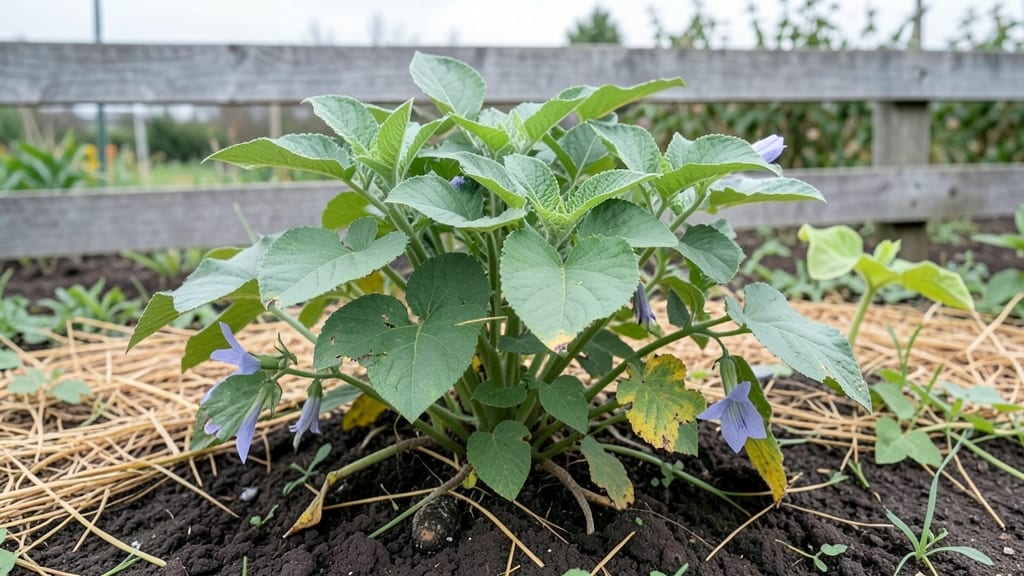
You should never plant squash and potatoes together because they share devastating diseases like potato blight and squash vine borers. Instead, use the Three Sisters method—plant them in separate rows with corn as a natural trellis, spacing potatoes 12 inches apart and squash 3-4 feet away to prevent cross-contamination.
Planting these crops together creates a perfect storm for disease spread. The blight fungus Phytophthora infestans thrives in damp soil and can jump from potatoes to squash vines in just days. 🌱 Even healthy-looking plants become vulnerable when their roots share the same space, leading to wilting and rot.
I’ve seen entire garden beds fail when growers ignored this rule—once the blight takes hold, it’s nearly impossible to save the harvest.
For a successful garden, separate them completely. The Three Sisters method works beautifully: corn provides shade for squash, while potatoes get their own dedicated space. This setup also deters pests like cucumber beetles, which target both crops.
If space is tight, consider raised beds with marigolds planted between rows—they naturally repel many garden pests.
💡 In This Article
- Why Squash and Potatoes Should Avoid Companion Planting
- Best Interplanting Alternatives for Squash and Potatoes
Why squash and potatoes should avoid companion planting
The real danger lies in how these crops share soil-borne pathogens that thrive in the same conditions. The fungus Phytophthora infestans, responsible for potato blight, can spread to squash vines within 7-10 days through contaminated soil or water splashes.
This pathogen produces spores that survive in garden beds for years, waiting for susceptible hosts. 🌱 The problem worsens when both crops share nutrients and moisture, creating ideal conditions for fungal growth.
Root competition further weakens defenses. Potatoes and squash both develop extensive root systems that compete for water and nutrients in the top 6-12 inches of soil. When stressed, plants become more vulnerable to pests like cucumber beetles, which carry bacterial wilt diseases.
These beetles lay eggs near both crops, and their larvae (squash vine borers) can devastate squash while also stressing potatoes through root feeding.
The science gets even more specific with Diabrotica beetles, which target both crops. Adults feed on leaves, while larvae chew through roots, creating entry points for secondary infections. Studies show that gardens with mixed plantings experience 30-50% higher pest pressure compared to separated beds.
The shared scent markers from both plants also attract more pests than isolated plantings.
What most gardeners overlook is how blight spores travel. Even a light rain can splash spores from infected potato leaves onto squash vines up to 3 feet away. The fungus thrives in temperatures between 60-75°F, making late spring plantings particularly risky.
Once established, the disease spreads exponentially—one infected potato plant can contaminate an entire squash patch within weeks.
Consider this visual: imagine your garden as a Petri dish. When potatoes and squash share space, you're creating a monoculture-like environment where pathogens have multiple hosts to feed on.
The Three Sisters method breaks this cycle by physically separating crops while creating a balanced ecosystem through corn's natural support structure and companion plants that repel pests.
For those working with limited space, raised beds offer a solution. By layering potatoes in the bottom layer and squash in separate containers, you eliminate direct soil contact while still benefiting from their individual growing requirements.
The key is maintaining at least 3 feet of separation between any plantings to disrupt disease pathways.
Remember: the goal isn't just avoiding disease—it's creating a garden where each plant can thrive without compromising its neighbors. Healthy plants develop stronger natural defenses, making them less susceptible to pests and diseases in the first place. 💫