
Planting
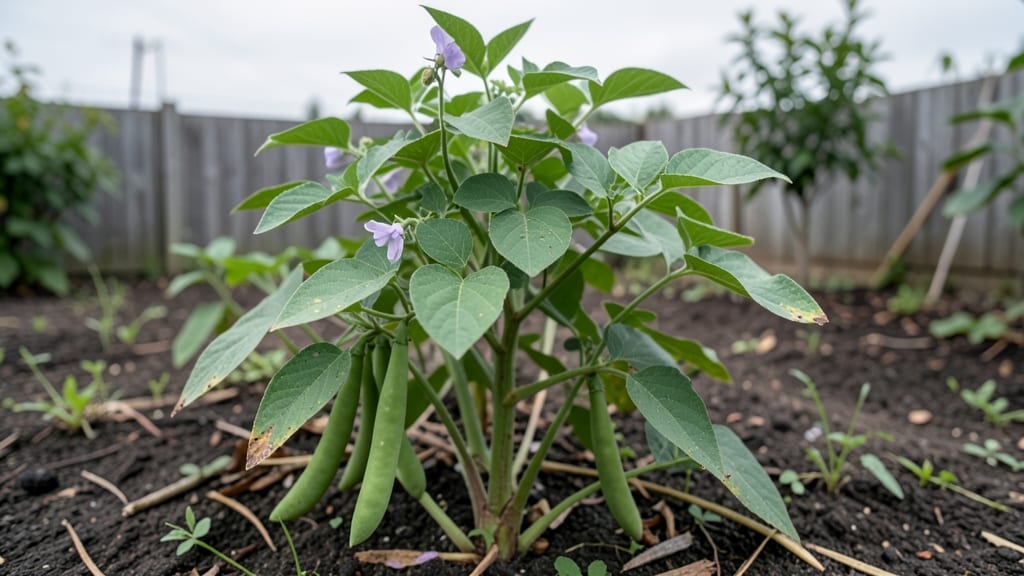
This cannellini bean plant might seem like a bold choice for a drought-tolerant perennial, but I’ve grown them successfully in my Mediterranean-style garden—with almost no extra water once established. 🌱 The key is mimicking their native conditions: well-draining soil, full sun, and minimal fuss once they’re settled in.
Unlike annual beans, these plants come back year after year, rewarding you with creamy white beans that taste even better than store-bought.
Start with seeds sown directly in spring after the last frost, or plant young seedlings in early fall for a winter harvest. They need 6-8 hours of sunlight daily and soil that drains fast—think rocky or sandy mixes.
A 3-foot spacing between plants gives them room to spread, and a simple trellis keeps vines off the ground if you prefer tidier growth. The first year focuses on root establishment; after that, they’ll bounce back from dry spells like pros.
You’ll harvest 10-12 weeks after planting, when pods turn plump and slightly papery. Pull plants back in late fall before hard frosts, but don’t trim them—let the roots stay in the ground to regrow next season.
The beans themselves are mild, buttery, and perfect for soups or salads. Plus, the plants attract pollinators all summer long, making your garden a buzzing hub.
Works best in USDA Zones 7-10, but even cooler climates can grow them as annuals if winters are harsh. The trade-off? Less maintenance and more beans over time—once you try them, you’ll never go back to annual varieties. Here’s how to get started without the guesswork.
📚 In This Guide
- What you need
- Instructions
- Tips and common mistakes
- Wrapping up and next steps
What you need
- ● Cannellini bean seeds: 10–20 seeds (non-GMO, heirloom varieties like ‘Aquino’ or ‘Santo’ work best for perennials).
- ● Well-draining soil: 5–10 gallons of loamy, slightly acidic soil (pH 6.0–7.0). Mix in 20% compost or aged manure for nutrients.
- ● Sunlight access: A full-sun location (6+ hours/day) with partial afternoon shade in hot climates.
- ● Watering can or drip irrigation: For deep, infrequent watering (aim for 1–2 inches per week once established).
- ● Mulch: 2–3 inches of straw, wood chips, or pebbles to retain moisture and suppress weeds.
- ○ Trellis or stakes (optional but recommended): 4–6 ft tall metal or wooden trellis to support climbing vines (saves space and improves airflow!).
- ● Fertilizer: Balanced 10-10-10 or organic fish emulsion (apply sparingly—cannellinis are nitrogen-fixers!).
- ● Soil moisture meter: To monitor drought conditions (critical for perennials!).
- ● Pest deterrents: Neem oil or row covers for aphids/beans beetles.
- ● Pruning shears: For shaping plants or removing dead foliage.
Step-by-Step guide to growing cannellini beans in Mediterranean climates
Here’s how to cultivate this hardy, drought-resistant perennial with minimal fuss.
🌱 Step 1: Choose the Right Location and Soil Prep
Cannellini beans thrive in well-draining soil with a pH between 6.0 and 7.5. Since they’re drought-tolerant, pick a spot with full sun (6+ hours daily)—a south-facing slope works best in Mediterranean climates. Avoid heavy clay; mix in 1-2 inches of compost from your materials list to improve drainage and fertility.
I like to test soil moisture by squeezing a handful—if it crumbles easily, it’s ready. If it sticks together, amend with sand or perlite to prevent waterlogging. These beans hate soggy roots, so prioritize that drainage.
💧 Step 2: Plant Seeds at the Right Depth and Spacing
Sow seeds ½ inch deep, about 4-6 inches apart in rows 18 inches apart. Since cannellini beans are perennials, you’ll want to space them for long-term growth—crowding leads to poor airflow and fungal issues. I plant 4 seeds per spot and thin to the strongest after germination.
Water lightly after planting, but don’t soak the soil—overwatering now delays germination. Instead, keep the soil consistently moist (not soggy) until sprouts appear, which usually takes 7-14 days depending on your climate’s warmth.
☀️ Step 3: Water Deeply but Infrequently After Germination
Once seedlings emerge, shift to deep watering every 7-10 days—this encourages strong root growth. Cannellini beans store water efficiently, so frequent shallow watering wastes resources and promotes weak stems. I check moisture by sticking my finger 2 inches deep; if dry, it’s time to water.
Mulch with 2-3 inches of straw or wood chips (from your materials) to retain moisture and suppress weeds. This is especially critical in hot Mediterranean summers—mulch keeps roots cool and reduces evaporation.
✂️ Step 4: Prune and Support as Plants Mature
When plants reach 18-24 inches tall, install trellises or stakes to support climbing vines. Prune leggy growth to encourage bushier, more productive plants. I remove yellowing leaves immediately—they drain energy from the plant.
Harvest pods when they’re 4-5 inches long and firm to encourage continuous production. If left on the vine too long, they’ll toughen and reduce flavor. I pick in the morning when moisture levels are highest—this preserves freshness.
🌿 Step 5: Overwinter and Prepare for Perennial Growth
Cannellini beans are cold-hardy but benefit from light winter protection in colder Mediterranean zones. Cut back foliage to 6 inches tall after the first frost, then mulch heavily with 4-6 inches of straw to insulate roots. In spring, remove mulch and water lightly to wake dormant roots.
Fertilize lightly in early spring with balanced organic fertilizer (from your materials) to replenish nutrients. These perennials reward patience—with proper care, they’ll produce for 5+ years with minimal effort.
Tips & tricks for perfect cannellini bean plant growth
These simple strategies will help you cultivate thriving cannellini beans with minimal effort in your Mediterranean garden.
Soil Testing Matters: Before planting, grab a handful of your native soil and squeeze it tightly. If it crumbles easily when released, your drainage is perfect for cannellini beans. If it forms a tight clump, amend with sand or perlite to prevent waterlogging. I've learned the hard way that soggy roots can kill these drought-tolerant plants faster than any other factor.
Germination Timing Secret: The 7-14 day germination window mentioned in Step 2 can feel like forever, but don't be tempted to overwater during this period. Keep soil consistently moist by watering lightly every 2-3 days—just enough to keep the top inch damp. I use a spray bottle for precision, avoiding the temptation to soak the planting area.
Mulching Strategy: That 2-3 inch mulch layer in Step 3 does more than retain moisture—it also regulates soil temperature. In Mediterranean summers, mulch keeps roots 10-15°F cooler than surface temps, which prevents stress. I always use straw because it breaks down slowly, providing continuous benefits throughout the growing season.
Harvesting Hack: For continuous production, harvest pods when they're 4-5 inches long but still firm to the touch. I've found that harvesting in the morning gives me the freshest pods—moisture levels are highest then, and the beans taste sweeter. Plus, morning harvests mean you can enjoy your fresh beans at lunch!
Pro Tips for Cannellini Bean Plant
- These simple strategies will help you cultivate thriving cannellini beans with minimal effort in your Mediterranean garden.
- Soil Testing Matters: Before planting, grab a handful of your native soil and squeeze it tightly.
- Germination Timing Secret: The 7-14 day germination window mentioned in Step 2 can feel like forever, but don't be tempted to overwater during this period.
Frequently asked questions
Got questions about growing your own cannellini bean plant? You’re not alone! Here are some of the most common queries—plus straightforward answers to help you cultivate this resilient, drought-tolerant beauty with confidence.
How long does it take for a cannellini bean plant to produce beans?
A cannellini bean plant typically takes 2–3 months from planting to produce pods, depending on climate and growing conditions. In warmer Mediterranean regions, you might see beans as early as 8–10 weeks after germination. Patience is key—these perennials reward you with multiple harvests over several years!
Why aren’t my cannellini beans flowering or producing pods?
If your plant is struggling, check these common culprits:
- Poor pollination: Hand-pollinate flowers with a soft brush if bees are scarce.
- Inconsistent watering: Cannellini beans hate drought stress—keep soil evenly moist (but not soggy).
- Nutrient deficiency: Yellowing leaves? Add compost or a balanced fertilizer (low in nitrogen).
- Cold snaps: These plants thrive in warmth (70–85°F) and may stall if temperatures dip below 50°F.
Give it time—some perennials take 2–3 years to fully mature and produce abundantly.
Can I grow cannellini beans in containers or small spaces?
Cannellini beans are compact and adaptable, making them perfect for containers, balconies, or small gardens. Use a 5-gallon pot or larger with well-draining soil and support (like a trellis) to encourage vertical growth. Just ensure the container gets 6+ hours of sunlight daily and deep watering.
Are cannellini beans truly perennial, or do they die back annually?
In mild Mediterranean climates, cannellini beans are hardy perennials—they’ll regrow each year if protected from frost. However, in colder zones, they may die back in winter but resprout from the roots in spring. Mulch heavily in fall to insulate the crown and extend their lifespan!
How do I know when cannellini beans are ripe for harvest?
Harvest beans when pods are firm, plump, and slightly bulging—usually 8–12 weeks after planting. For dry beans (like those used in soups), wait until pods turn brown and papery before shelling. Pro tip: Pick consistently to encourage more production!
Wrapping up and next steps
Growing a cannellini bean plant in your Mediterranean garden isn’t just a smart choice—it’s a rewarding one! 🌱 These drought-tolerant perennials thrive with minimal fuss, offering both beauty and a bountiful harvest.
Whether you’re a seasoned gardener or just starting out, their resilience and versatility make them a standout addition to any outdoor space.
Ready to take the next step? Start by selecting the perfect spot in your garden, gather your supplies, and dive in! With a little patience and care, you’ll soon be enjoying fresh, homegrown cannellini beans—plus the satisfaction of nurturing a plant that’s as tough as it is tasty.
Happy planting! 🌿