
Plants
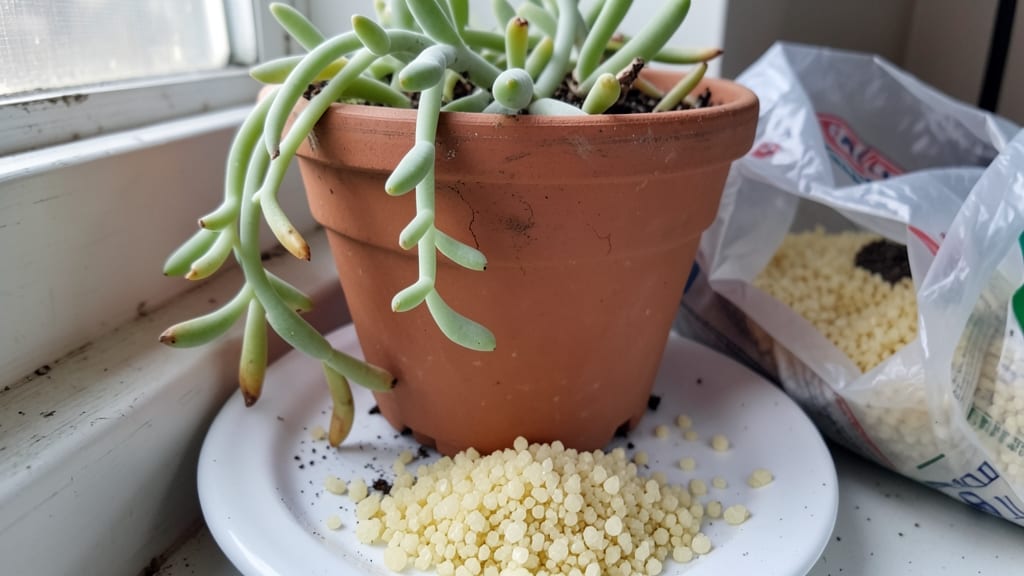
Chlorine and plants create serious damage by destroying root cell membranes, slowing growth, and scorching leaves—especially in delicate species like ferns, orchids, and leafy greens. For safe watering, use rainwater, distilled water, or reverse-osmosis filtered water instead of straight tap.
Chlorine works as a bleaching agent, which means it chemically alters plant tissues at a cellular level. 🌱 When roots absorb chlorinated water, the chemical disrupts their ability to absorb oxygen and nutrients, leading to yellowing leaves and weakened stems.
Even low concentrations can stress plants over time, making them more vulnerable to disease. This is why hydroponic growers and tropical plant enthusiasts swear by dechlorinated water—it eliminates that hidden threat while keeping plants thriving.
For those who can't access specialty water, sunlight exposure or boiling tap water for 15 minutes can neutralize chlorine naturally. 💫 Just remember: some plants, like succulents, tolerate tap water better than moisture-loving varieties. Always test your water first if you notice unusual leaf discoloration or stunted growth.
💡 In This Article
- How Chlorine Affects Plant Root Systems
- Safe Water Alternatives for Chlorine-Sensitive Plants
How chlorine affects plant root systems
Chlorine disrupts plant roots through oxidative damage at the cellular level. When roots absorb chlorinated water, the chemical reacts with cellular components, generating reactive oxygen species (ROS) that attack cell membranes. This creates tiny holes in the root epidermis, forcing cells to expend energy repairing damage instead of growing.
In sensitive species like ferns and orchids, this process accelerates root tip dieback—where the delicate growing tips simply stop functioning entirely.
The damage isn't uniform across plant types.
Tropical plants with thin, fibrous roots (like calatheas) show visible symptoms within days—browned leaf edges and wilting—while succulents with thick, waxy roots (like echeverias) may take weeks to show stunted growth. 🌱 The key difference lies in root structure: tropical roots absorb water rapidly, concentrating chlorine effects, whereas succulent roots store water and dilute the impact.
Even in well-draining soil, chlorine levels above 0.5 ppm can trigger stress responses in most plants.
Here's what happens at the biochemical level: Chlorine oxidizes sulfur compounds in root proteins, disrupting enzyme function. This blocks the uptake of essential nutrients like nitrogen and potassium—critical for leaf development. You'll notice this as yellowing between leaf veins (chlorosis), a classic sign of nutrient starvation.
The irony? Chlorine itself is a nutrient for humans, but plants lack the metabolic pathways to process it safely.
Soil composition plays a surprising role in chlorine tolerance. Sandy soils drain quickly, reducing root exposure time, while clay soils trap chlorinated water near roots. This is why hydroponic systems—where roots bathe directly in nutrient solution—require zero-chlorine water to prevent immediate cell membrane collapse.
Even a 1 ppm chlorine spike can reduce root oxygen uptake by 20-30% within hours.
Visual symptoms escalate with prolonged exposure: roots turn brown and mushy, stems weaken, and leaves develop crispy edges from transpiration imbalances. 💫 What most gardeners miss is the underground damage—roots may appear healthy externally but be riddled with internal necrosis.
This hidden decay explains why plants suddenly collapse despite seemingly perfect growing conditions.
Interestingly, some plants like roses and tomatoes actually show temporary growth boosts from trace chlorine (0.1-0.3 ppm) due to mild osmotic stress responses. But this "benefit" disappears at higher concentrations, revealing chlorine's dual nature as both a subtle stressor and a silent killer.
The threshold where damage outweighs any potential benefit sits around 0.4 ppm for most species.