
Companion Plants
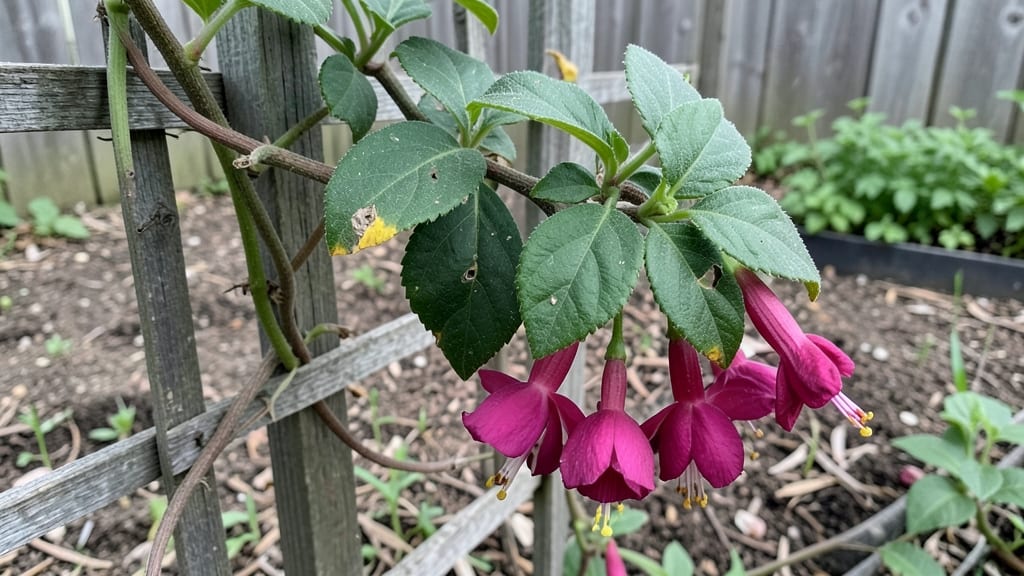
The climbing fuchsia plants transform any patio or balcony into a lush, cascading waterfall of color—once you master their ideal growing conditions. 🌿 I’ve nurtured these tender vines for years, and the trick to their nonstop blooms?
Recreating their wild, misty mountain homes. bright indirect light, high humidity, and a trellis that lets them cascade like a living curtain.
The right setup makes all the difference: a 5-gallon container with well-draining soil, a sturdy trellis or wire frame, and regular pruning to encourage bushier growth. Most people overlook humidity, but these plants thrive when their leaves stay slightly damp—think misting or a pebble tray during dry spells.
Once established, they’ll reward you with nonstop blooms from spring through frost.
You’ll end up with velvety foliage and trumpet-shaped flowers in shades of pink, purple, and white, all supported by a sturdy vine that can climb 6 feet or more with the right structure.
The key is balancing pruning and feeding: trim back leggy stems in early spring, and fertilize lightly every 4-6 weeks during the growing season. Winter care is minimal—just bring them indoors or wrap containers to protect from light frosts.
Perfect for small spaces, porches, or even indoor growing near bright windows. These plants are surprisingly forgiving once you understand their quirks—here’s how to make them thrive without the guesswork.
📚 In This Guide
- What you need
- Instructions
- Tips and common mistakes
- Wrapping up and next steps
What you need
- ● Climbing Fuchsia Plants: 3–5 young, healthy plants (choose trailing varieties like Fuchsia 'Graceland' or Fuchsia 'Lady Boothby' for best results).
- ● Containers: 1–2 hanging baskets (12–18 inches in diameter) or wall-mounted planters with drainage holes.
- ● Potting Mix: 1 bag (5–10 quarts) of well-draining, peat-based mix (add perlite or orchid bark for extra aeration).
- ● Fertilizer: 1 bottle of balanced liquid fertilizer (10-10-10 or 20-20-20) or slow-release granules for long-term feeding.
- ● Support Structures: 1–2 trellises, obelisks, or spider cages (4–6 feet tall) for vertical growth.
- ○ Twine or soft plant ties (optional, for securing vines early on).
- ● Pruning Shears: 1 pair of sterilized, sharp shears (for trimming and shaping).
- ● Watering Can or Hose: With a gentle spray nozzle (to avoid disturbing soil).
- ● Gloves: 1 pair of gardening gloves (to protect hands from thorns or soil).
- ● Sunlight Spot: A location with partial shade (4–6 hours of filtered light daily)—ideal for fuchsias!
- ○ Mulch (Optional): Shredded bark or coconut coir (to retain moisture and suppress weeds).
- ○ Pest Control (Optional): Neem oil or insecticidal soap (for aphids or spider mites).
- ● Beneficial nematodes (preventative for soil pests).
- ● 🌡️ Temperature: Keep plants in USDA Zones 9–11 year-round; bring indoors if temps drop below 40°F (4°C).
- ● ✨ Humidity: Mist leaves daily or place a tray of water nearby to mimic tropical conditions.
- ● 🎯 Light: Avoid harsh afternoon sun—east-facing windows or dappled shade is perfect!
Step-by-Step instructions for growing climbing fuchsia plants
Here’s how to coax those stunning, cascading fuchsias into nonstop bloomers with minimal fuss.
🌱 Step 1: Select the Right Variety and Containers
Climbing fuchsias thrive in 12-14 inch hanging baskets or lightweight containers with drainage. I always choose trailing varieties like 'Giant Marble' or 'Lady Boothby' for their dramatic, vine-like growth. These plants need space—crowding leads to leggy stems and sparse flowers. Use a well-draining potting mix, not garden soil, to prevent root rot.
Fill the container halfway with the potting mix, then add a handful of orchid bark or perlite for aeration. This mimics their natural epiphytic habits in tropical forests. Press the mix down gently—just enough to remove air pockets, but don’t compact it. The goal is a loose, fluffy medium that water can penetrate easily.
🪴 Step 2: Plant and Stake for Support
Dig a hole in the center of the container deep enough to bury the plant’s root ball up to its lowest leaves. Gently tease out any circling roots with your fingers to encourage outward growth. Place a 3-foot bamboo stake or trellis in the container now—driving it in later risks damaging roots.
Tuck the plant around the stake, letting the vines drape naturally. If using a hanging basket, position the stake so it angles slightly downward to guide the growth pattern. Water immediately after planting to settle the soil and remove air gaps. You’ll see the first signs of new growth within 7-10 days—watch for tiny, rounded leaves unfurling at the stem tips.
☀️ Step 3: Provide Bright, Indirect Light
Fuchsias crave bright, indirect light—think morning sun with afternoon shade. A north- or east-facing window works best, or place them 3-4 feet from a south-facing window. Direct afternoon sun scorches delicate leaves, while too little light results in sparse blooms. Rotate the container quarter-turn weekly to prevent lopsided growth toward the light source.
If your space lacks natural light, supplement with a grow light for 12-14 hours daily. Keep the bulb 6-12 inches above the plant and adjust as vines grow. You’ll know the light is right when leaves stay deep green and new growth appears consistently every 2-3 weeks.
💧 Step 4: Water and Feed for Continuous Blooms
Water when the top inch of soil feels dry, which typically means every 2-3 days in summer or 4-5 days in cooler months. Fuchsias hate soggy roots but also wilt quickly if dried out. Water at the base, avoiding leaves to prevent fungal spots. I use a self-watering basket in summer to maintain steady moisture without overwatering.
Feed every 2 weeks with a balanced liquid fertilizer (10-10-10) during spring and summer. Reduce to monthly in fall and winter. You’ll notice buds forming within 3-4 weeks of consistent feeding—look for tiny, rounded swellings at the stem tips. Deadhead spent blooms regularly to encourage new flowers and prevent seed pods from draining the plant’s energy.
✂️ Step 5: Prune and Train for Year-Round Growth
Pinch back the tips of new growth when stems reach 6-8 inches to encourage bushier vines. This also prevents the plant from becoming top-heavy in hanging baskets. In late winter, prune back one-third of the plant to stimulate fresh, vigorous growth. Use clean, sharp pruners to make cuts just above a leaf node—never leave stubs.
Train vines along the trellis by gently weaving them through the supports. If a vine grows too long, cut it back to 4-6 inches from the base to encourage branching. With proper pruning, your fuchsias will bloom year-round in mild climates or from spring to frost in cooler areas. The key is consistency—never let the plant go completely dormant between cycles.
Tips & tricks for perfect climbing fuchsia plants
These small but mighty adjustments will transform your fuchsias from ordinary to showstopping—with minimal extra effort.
Container Selection: Avoid metal or plastic containers that can overheat in summer sun. Opt for terracotta or woven baskets instead—they breathe better and help prevent root rot. In Step 1, fill your container halfway with potting mix first, then add that handful of orchid bark or perlite. This layering creates perfect drainage while maintaining moisture for those delicate roots. I've seen fuchsias in poorly draining containers struggle with yellowing leaves within weeks.
Lighting Strategy: For Step 3, if you're using grow lights, position the bulb at the 6-inch mark initially—closer if your space is dim, farther if leaves start yellowing. The 12-14 hour daily light requirement is non-negotiable for continuous blooming. I keep a small timer on my grow light to automate this, which saves me from remembering daily. Watch for new growth appearing every 2-3 weeks—this is your green light that you've got the light balance right.
Pruning Precision: When you're pinching back growth at 6-8 inches in Step 5, look for the first set of true leaves (not the tiny seed leaves) when making your cuts. This encourages branching right where you want it. For the late winter pruning, cut back to just above a leaf node—you'll see little buds forming there within 3-4 weeks. I always sterilize my pruners with rubbing alcohol between cuts to prevent spreading disease.
Fertilizer Timing: The 2-week feeding schedule during spring/summer is perfect, but here's the secret: always water your fuchsias first, then feed. This prevents fertilizer burn on dry roots. In cooler months, switch to a half-strength solution when you do feed monthly—fuchsias are sensitive to excess salts in winter. You'll notice buds forming within those 3-4 weeks of consistent care, even in winter months if your climate permits.
Pro Tips for Climbing Fuchsia Plants
- These small but mighty adjustments will transform your fuchsias from ordinary to showstopping—with minimal extra effort.
- Container Selection: Avoid metal or plastic containers that can overheat in summer sun.
- Lighting Strategy: For Step 3, if you're using grow lights, position the bulb at the 6-inch mark initially—closer if your space is dim, farther if leaves start yellowing.
Frequently asked questions
Got questions about growing climbing fuchsias?
Here are answers to the most common ones—from pruning to pests and everything in between!
How fast do climbing fuchsias grow, and when will they bloom?
Climbing fuchsias grow moderately fast, typically adding 6–12 inches per season with proper care. With consistent moisture and sunlight, they’ll reward you with vibrant blooms throughout spring, summer, and fall—even into early winter in mild climates. Patience is key: younger plants may take 6–8 weeks to show their first flowers.
Should I prune climbing fuchsias, and how often?
Yes! Pruning encourages bushier growth and more blooms. Trim back leggy stems by 1/3 in early spring and deadhead faded flowers regularly. For a trailing look, pinch back tips to promote branching. Avoid heavy pruning in fall—let the plant rest for winter. Pro tip: Use clean, sharp shears to avoid disease!
What pests or diseases commonly affect climbing fuchsias, and how do I treat them?
Watch for aphids, spider mites, and whiteflies (sap-sucking pests) or powdery mildew in humid conditions. For pests, spray with neem oil or insecticidal soap. Mildew? Improve airflow and treat with baking soda spray (1 tsp baking soda + 1 quart water + a drop of soap). Prevention: Avoid overhead watering to keep foliage dry!
Can climbing fuchsias grow indoors, or are they strictly outdoor plants?
While they thrive outdoors, climbing fuchsias can survive indoors near bright, east- or west-facing windows with humidity (40–60%). Use a support trellis or hanging basket and supplement with grow lights (12–14 hrs/day) in winter. Expect slower growth and fewer blooms indoors—outdoor conditions are ideal!
What companion plants pair well with climbing fuchsias?
Fuchsias love shade-tolerant companions like heuchera (coral bells), impatiens, or ferns to create lush, layered displays. For height contrast, pair with bromeliads or calatheas. Avoid competitive rooters (e.g., mint or ivy) or plants needing full sun—fuchsias prefer morning sun + afternoon shade.
Wrapping up and next steps
Climbing fuchsia plants bring a splash of vibrant color and year-round blooms to any garden or patio—no green thumb required! 🌸 With the right care, these cascading beauties thrive in containers, trellises, or even hanging baskets, turning ordinary spaces into lush, living art.
Whether you’re a seasoned gardener or just starting, their adaptability makes them a fantastic choice for adding life and charm.
Ready to transform your space? Start small—pick a sunny spot, gather your supplies, and let these fuchsias wow you with their effortless elegance. Grab your pruners and get growing! 🌿