
Plants
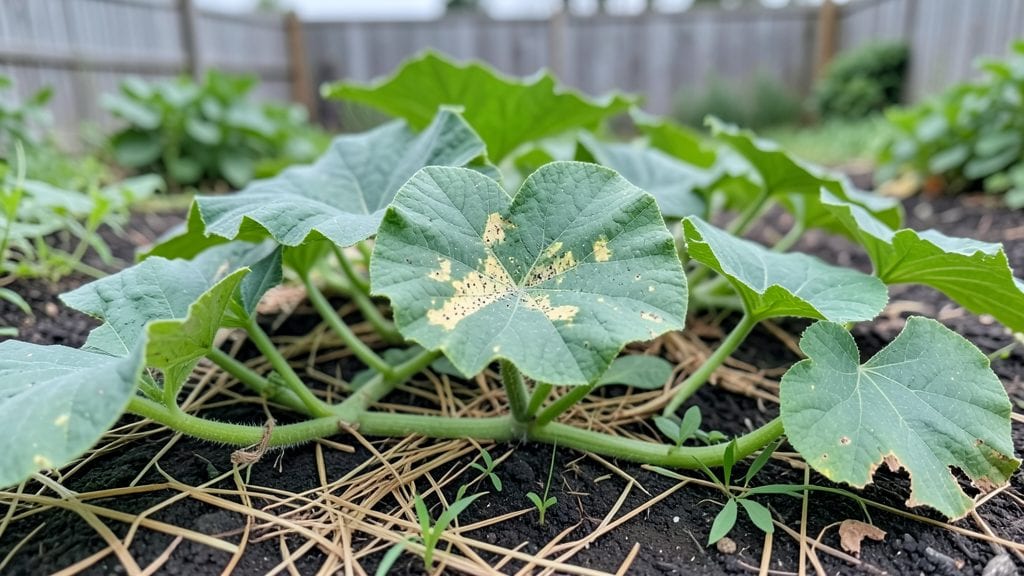
Cucumber plant blight turns lush vines into a sad, spotted mess faster than you can say "harvest."
I’ve watched my best cucumbers go from thriving to wilted in days, and the key to saving them is catching those first ugly brown spots before they spread like gossip at a garden club. The good news? You can stop it—if you act fast and know what to look for.
Blight loves warm, humid afternoons and crowded plants, so proper spacing and airflow are your first line of defense. I’ve saved entire vines by pruning crowded leaves and watering at the base—not the foliage—so the plants stay dry.
Organic sprays like copper fungicide or a baking soda mix work wonders if you catch it early, but the real secret is prevention: choose disease-resistant varieties and rotate crops every year.
You’ll know you’ve won when your cucumbers go from struggling to producing crisp, disease-free fruit in just a few weeks. The first sign of success? Leaves that stay green and glossy instead of turning yellow and crunchy.
Trust me, once you beat blight, you’ll never ignore those first suspicious spots again.
Works for both backyard gardens and container growers—just adjust the spacing and watch for those early warning signs. Let’s get those cucumbers back on track before the season’s over.
Understanding The Root Causes
Blight on cucumber plants isn’t just a random act of nature—it’s often a clear signal that something specific is going wrong in your garden’s ecosystem. By pinpointing the exact triggers, you can take targeted action to protect your plants.
Here’s a breakdown of the most common culprits behind cucumber blight, explained in clear, actionable terms.
Fungal blight is the #1 cause of cucumber plant decline, and it thrives under the right conditions. The two most notorious fungi responsible are:
- Downy Mildew (Pseudoperonospora cubensis) This pathogen spreads via windborne spores and thrives in cool, humid conditions (60–80°F with high humidity).
It starts as pale yellow spots on the upper leaf surface, then develops a fuzzy gray mold on the undersides—hence the name. 🌬️💦 - Why it happens: Spores germinate when leaves stay wet for 6+ hours, especially in shaded or crowded plants.
- Powdery Mildew (Podosphaera xanthii) Unlike downy mildew, this fungus creates a white, powdery coating on leaves, blocking sunlight and stunting growth.
It loves warm, dry conditions (70–90°F) but still needs high humidity to spread. - Why it happens: Poor air circulation (from overcrowded plants) and high nitrogen fertilizer (which promotes lush, tender growth) make cucumbers extra vulnerable.
- Anthracnose (Colletotrichum orbiculare) This aggressive fungus causes dark, sunken lesions on leaves, stems, and fruits.
It’s worse in hot, rainy seasons and can survive in soil or infected plant debris for years. - Why it happens: Overhead watering (splashing spores onto leaves) and wounded plants (from hail, pests, or rough handling) create entry points.
Fungi don’t just appear—they wait for the right conditions. These environmental factors turn your garden into a blight hotspot:
- Excessive Rain or Overwatering Blight spores need moisture to germinate.
If your cucumbers sit in soggy soil or leaves stay damp overnight, you’re basically rolling out the welcome mat. 🚫💦 - Why it happens: Poor drainage, heavy clay soil, or watering at dusk/dawn (when humidity peaks) extends leaf wetness.
- High Humidity Without Airflow Stagnant, humid air is a fungus’ dream. Greenhouses, dense plantings, and lack of pruning trap moisture near leaves.
A stressed cucumber plant is a blight magnet. These common gardening oversights leave plants defenseless:
- Overcrowded Plants When cucumbers compete for light, air, and nutrients, leaves grow thin and weak—perfect for fungal invasion.
Some pests don’t cause blight directly, but they weaken plants, making them easier targets for fungi.
Keep an eye out for: - Aphids & Whiteflies – Their sticky honeydew feeds sooty mold, which blocks sunlight and stresses plants. - Cucumber Beetles – They transmit bacterial wilt and chew leaves, creating entry points for fungi. - Spider Mites – In dry conditions, they damage leaf tissue, making plants more vulnerable to powdery mildew.
Blight doesn’t just appear—it hitchhikes on tools, wind, or nearby infected plants.
Common sources: - Dirty Pruners or Gloves – Moving spores from tomatoes, melons, or squash (all in the cucurbit family) to cucumbers. - Wind or Water Splashes – Spores can travel miles in wind or via irrigation systems. - Infected Seedlings or Transplants – Buying or swapping plants from contaminated nurseries.
Pro Tip: 🔍 Always inspect new plants for early signs of blight before adding them to your garden!
How to Fix Fungal Spots Fast
Fungal blight on your cucumber plants can feel like a losing battle, but with the right moves, you can turn things around—fast. The key is acting quickly, identifying the root cause, and applying targeted fixes.
Below, we’ve mapped out practical, step-by-step solutions for the most common types of blight, plus prevention tips to keep your cucumbers thriving. Let’s get those plants back in fighting shape!
Cause: Pseudoperonospora cubensis thrives in damp, shady conditions, leaving yellow spots on leaves and a fuzzy gray coating underneath.
🔥 Immediate Fix: Prune & Spray
- 🌿 Remove infected leaves immediately—don’t compost them!
Toss them in the trash or burn them to prevent spores from spreading. - 💦 Apply a copper fungicide (like Bonide Copper Fungicide) or a baking soda spray (1 tsp baking soda + 1 quart water + a drop of dish soap) to leaves both top and bottom.
Reapply every 7–10 days. - 🌞 Boost airflow by spacing plants 12–18 inches apart and pruning crowded vines.
💡 Prevention Tips for Next Time
- 🌡️ Water in the morning so leaves dry quickly.
- ✨ Use resistant varieties like ‘Lemon Cucumber’ or ‘Diva’ if downy mildew is common in your area.
- 🌱 Rotate crops—don’t plant cucumbers in the same spot year after year.
Cause: Erysiphe cichoracearum loves warm, dry weather and coats leaves in a chalky white film, weakening the plant.
🍳 DIY Spray & Cleanup
- 🧼 Mix 1 tbsp neem oil + 1 tsp mild soap + 1 quart water, then spray directly on infected areas (test a small leaf first).
- 👨🍳 Wipe leaves with a damp cloth dipped in milk (yes, milk!
The lactic acid helps). Do this every 3–4 days for a week. - 🌿 Thin out vines to improve airflow—powdery mildew hates circulation!
💡 Prevention Tips for Next Time
- 🌿 Mulch with straw to keep soil moist (but not soggy) and reduce stress.
- 🌱 Plant in partial shade if your climate is hot and dry.
- 🔄 Avoid overhead watering—use drip irrigation instead.
Cause: Xanthomonas campestris creates dark, water-soaked spots that ooze when wet—highly contagious!
⏰ Emergency Action Plan
- 🔪 Remove all infected leaves (yes, even if it’s just a few spots). Sterilize pruners with rubbing alcohol between cuts.
- 💦 Spray with a copper-based bactericide (like Copper Soap) or a hydrogen peroxide mix (1 tbsp 3% H₂O₂ per quart of water).
Spray in the evening to avoid burning leaves. - 🏡 Isolate the plant—keep it away from other cucumbers until symptoms disappear.
💡 Prevention Tips for Next Time
- 🌡️ Water at the base only—never wet the leaves.
- 🌱 Practice crop rotation and avoid planting cucumbers where infected plants grew last season.
- 🔥 Sterilize tools before and after use—bacterial spots spread via contaminated pruners!
Even after treating the symptoms, strengthen your cucumbers to prevent future outbreaks:
- 🥗 Feed with compost tea or a balanced fertilizer (like 10-10-10) to encourage healthy growth.
- 🌿 Add companion plants like marigolds (repel pests) or basil (improves flavor and resilience).
- 🌞 Give them sunlight—6+ hours daily keeps plants robust and less susceptible to disease.
🎯 Pro Tip: If blight keeps coming back, your soil might be the issue. Test for nutrient deficiencies (like low calcium or magnesium) and amend with eggshell powder or kelp meal for a natural boost.
Remember: The faster you act, the better your chances of saving your cucumber crop! With these fixes, your plants should bounce back in 1–2 weeks. Now go forth and grow those crisp, blight-free cucumbers! 🥒✨
Frequently asked questions
What are the first signs of blight on cucumber leaves?
Watch for yellow or brown spots on upper leaves that spread quickly, often with a fuzzy gray or white coating on undersides. For downy mildew, check for pale yellow patches that develop gray mold when humid. Powdery mildew appears as chalky white powder on leaves.
Can I still harvest cucumbers from blight-infected plants?
Only pick fruits from healthy parts of the plant—never from vines with visible spots. Remove infected leaves immediately to prevent spread. If blight is severe, harvest remaining cucumbers quickly and destroy the plant to stop spores.
How do I know if my cucumber blight is fungal or bacterial?
Fungal blight shows powdery coatings or fuzzy growth, while bacterial blight creates dark, water-soaked spots that ooze when wet. Bacterial infections also spread faster and often appear on stems. Test with a clean knife—if it oozes, it’s likely bacterial.
Will homemade sprays really stop blight from spreading?
Yes! A baking soda spray (1 tsp baking soda + 1 quart water + dish soap) or neem oil mix (1 tbsp neem + 1 tsp soap per quart) works for early-stage fungal blight. Reapply every 7–10 days, especially after rain. For bacterial blight, copper fungicides are more effective.
How long does it take for treated plants to recover?
With proper care, plants often show improvement in 7–14 days. Remove all infected foliage immediately, improve airflow, and apply treatments consistently. New growth should appear healthy within 2 weeks if the root system is still strong.