Picking
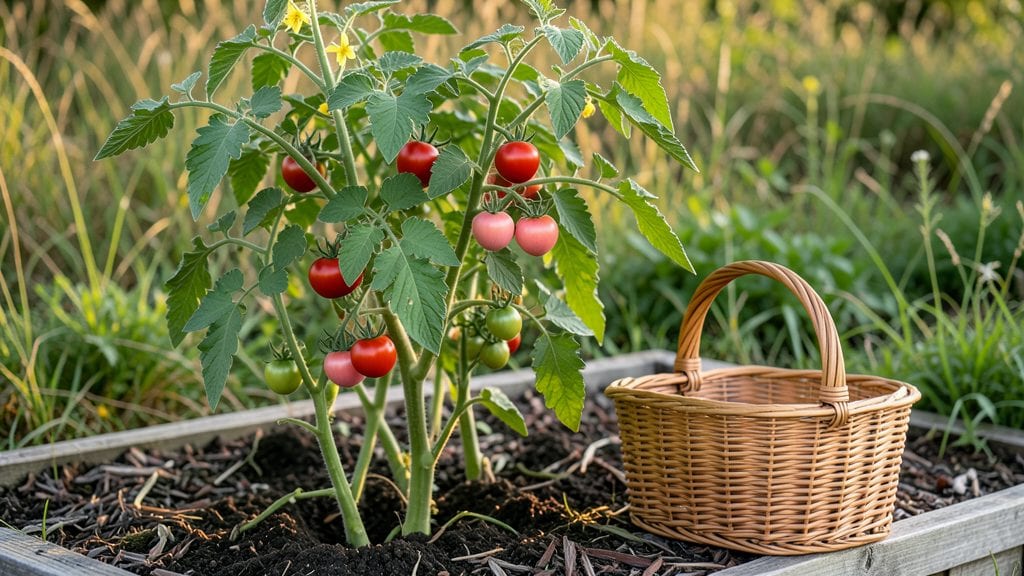
Mastering the art of tomato plant harvesting at just the right moment transforms a few lackluster fruits into a bounty of juicy, sun-ripened treasures—something I discovered after my heirloom 'Brandywine' tomatoes split tragically last summer. I check them twice daily and use these simple tricks to lock in sweetness.
The secret lies in color, texture, and scent: ripe tomatoes deepen to their true hue (red, yellow, or purple), give slightly when gently squeezed, and smell fragrant at the stem.
For heirlooms, wait until they're fully colored—hybrids often ripen more evenly. Use sharp pruners for stemmed varieties to avoid bruising, or twist gently for vine-ripened types.
Once picked, store tomatoes at room temperature for best flavor, but move them to the fridge only when fully ripe to preserve texture. The first harvest will taste like nothing store-bought—juicy, complex, and packed with summer in every bite.
With these methods, you'll extend your harvest by weeks and keep those flavors fresh long after the growing season ends.
Works for cherry tomatoes, beefsteaks, and everything in between. Here's how to make every harvest your best one yet—no more wasted tomatoes on the vine!
📚 In This Guide
- What you need
- Instructions
- Tips and common mistakes
- Wrapping up and next steps
What you need
- ● Sharp pruning shears or garden scissors – 2-3 pairs (for clean cuts without damaging the plant). Opt for bypass pruners (not anvil-type) to avoid crushing stems.
- ● Gloves – 1 pair (nitrile or cotton) to protect hands from thorns and dirt.
- ● Harvesting basket or bucket – 1-2 large, breathable containers (avoid plastic if harvesting daily to prevent bruising). A 10-15 gallon capacity works best.
- ● Small knife or tomato pick – 1-2 (for delicate stems or vine-grown tomatoes). A serrated blade helps slice through tougher stems.
- ● Twine or plant ties – Small roll (for securing indeterminate vines post-harvest if needed).
- ● Spray bottle with water – 1 (to mist tomatoes if harvesting in hot weather and they’re prone to cracking).
- ● Harvesting tray or flat – 1-2 (to sort tomatoes by ripeness color before storing).
- ● Food-safe marker or labels – Small pack (to mark varieties if growing multiple types).
- ● Pest repellent spray – 1 bottle (like neem oil) to treat plants after harvesting if pests are present).
- ● Coolers or insulated bags – 1-2 (for transporting tomatoes long distances without bruising).
- ● Camera or phone – 1 (to document your harvest—because bragging rights matter!).
Step-by-Step instructions for harvesting tomatoes at peak ripeness
Here's how I ensure every tomato reaches its sweetest, juiciest potential—no wasted fruit left hanging.
Identify Ripeness Stages and Harvest Times
Tomatoes ripen in stages, and each variety has its own cues. For most common types, look for a deep, even color—reds should be fully vibrant, not streaked with green. Yellows turn golden all over, and heirlooms like Brandywine develop their signature deep pink or purple hues. Gently press the fruit: ripe tomatoes yield slightly to pressure without feeling mushy.
Harvest in the morning when temperatures are coolest—this preserves flavor and texture. I always check for a small stem break point where the tomato meets the vine. If it separates easily, that's your signal. For heirlooms or green tomatoes that won't ripen on the vine, harvest when they reach 2-3 inches in size and store them in a paper bag with a banana to speed up ripening with natural ethylene gas.
Use Proper Technique to Avoid Damage
Never twist or pull tomatoes from the vine—this tears the stem and invites rot or disease. Instead, use a sharp pair of pruning shears or your thumb and forefinger to pinch the stem cleanly at the base. Hold the tomato firmly in your other hand to prevent bruising. A clean break ensures the plant doesn't bleed sap, which can attract pests like fruit flies.
Handle tomatoes with care—they bruise easily, especially when overripe. Place them stem-side down in a shallow container to prevent crushing. I like to harvest into a wire basket lined with a towel to keep them organized and protected. Avoid stacking tomatoes directly on top of each other, as this increases the risk of splitting.
Determine When to Harvest for Best Flavor
Most tomatoes are best picked when fully colored but still slightly firm. For slicing varieties, wait until they're completely ripe—this ensures maximum sweetness and juiciness. Cherry and grape tomatoes often ripen faster and can be harvested when 70-80% colored if you plan to use them immediately. I taste-test a few to gauge sweetness, especially with heirloom varieties that can vary widely.
Watch for signs of overripeness: wrinkled skin, soft spots, or a fermented smell mean the tomato has passed its prime. These are best used immediately for sauces or cooking. If your plant is producing more tomatoes than you can use, harvest green ones and store them in a cool, dark place to ripen later. Green tomatoes will eventually turn red if left on the vine, but they often develop a mealy texture if left too long.
Handle and Store Harvested Tomatoes Properly
After harvesting, let tomatoes sit at room temperature for 1-2 days to fully develop their flavor. Place them in a single layer, stem-side down, in a well-ventilated area away from direct sunlight. This prevents them from sweating and developing mold. I avoid refrigerating tomatoes until they're fully ripe, as cold temperatures can dull their flavor and texture.
Once fully ripe, store tomatoes in the refrigerator for up to 1 week if you won't use them immediately. For long-term storage, consider canning, freezing, or making sauces. To freeze, slice tomatoes and blanch them in boiling water for 30 seconds before shocking in ice water. Drain well and pack into airtight containers, leaving ½ inch of headspace to prevent freezer burn. Label with the date and variety for future reference.
Encourage Continued Production After Harvesting
To keep your tomato plant producing, remove any remaining flowers and fruit once you've harvested the last of the season's crop. This redirects the plant's energy toward strengthening its roots and preparing for dormancy. Prune back any diseased or yellowing leaves to improve air circulation and reduce the risk of future issues.
After the first frost, cut the plant down to 6 inches above the ground and compost the healthy stems and leaves. Avoid composting any parts that show signs of disease. In warmer climates, you can extend the season by providing a row cover or moving potted plants indoors to a sunny window. With proper care, some varieties will even produce a second flush of fruit before winter sets in.
Tips & tricks for perfect tomato plant harvesting
Harvesting tomatoes at their peak can be tricky, but these simple tricks will help you maximize yield and flavor every season.
The Ripeness Test: In Step 1, when checking for ripeness, I've found that the "gentle squeeze" test works best. A ripe tomato should yield slightly to pressure—like pressing your thumb into a ripe avocado—without feeling mushy. For heirlooms, I also check the stem break point: if it separates easily with a clean break, that's your cue to harvest. This method prevents overripeness while ensuring maximum sweetness.
Harvesting Technique: Step 2 emphasizes using pruning shears or your fingers to pinch the stem cleanly. I've learned the hard way that twisting tomatoes can damage the plant and attract pests. Always hold the tomato firmly in your other hand to prevent bruising. A clean break also helps the plant heal faster, encouraging more production. For large batches, I use a small bucket lined with a towel to collect tomatoes—it keeps them organized and protected.
Storage Wisdom: After harvesting, let tomatoes sit at room temperature for 1-2 days as mentioned in Step 4. This allows their flavors to fully develop. I've noticed that refrigerating tomatoes too soon can dull their flavor, so I always wait until they're fully ripe. For long-term storage, I slice and blanch tomatoes for 30 seconds before freezing—they keep beautifully for up to 6 months, and the blanching step preserves their texture.
Season Extension: In Step 5, the suggestion to cut plants down to 6 inches after the first frost is key for next year's yield. I've found that removing diseased leaves and redirecting energy to the roots significantly improves next season's production. In warmer climates, I've successfully extended the season by using row covers or moving potted plants indoors to a sunny window—this can sometimes yield a second flush of fruit before winter.
Pro Tips for Tomato Plant Harvesting
- Harvesting tomatoes at their peak can be tricky, but these simple tricks will help you maximize yield and flavor every season.
- The Ripeness Test: In Step 1, when checking for ripeness, I've found that the "gentle squeeze" test works best.
- Harvesting Technique: Step 2 emphasizes using pruning shears or your fingers to pinch the stem cleanly.
Frequently asked questions
Got questions about harvesting your tomato plants? You’re not alone! Here are answers to the most common queries to help you pick the perfect tomatoes every time.
When is the best time of day to harvest tomatoes?
The ideal time to harvest is in the morning after the dew has dried but before the sun gets too hot. This ensures the fruit is firm, cool, and at its peak flavor. Avoid harvesting after rain or during extreme heat, as this can stress the plant or dilute flavor.
How do I know if my tomatoes are ripe enough to pick?
Ripeness depends on the variety! For heirloom or beefsteak tomatoes, look for a deep, even color (red, yellow, or purple) and a slightly soft, fragrant aroma near the stem. Cherry or grape tomatoes should be uniformly colored and slightly springy. If they’re still firm and green, give them a few more days.
Should I pick tomatoes before the first frost?
Tomatoes are frost-sensitive—even a light frost can ruin unripe fruit and damage the plant. Harvest all tomatoes (ripe or not) at least 1–2 weeks before the first expected frost. Unripe tomatoes can ripen indoors on a sunny windowsill or in a paper bag with a banana.
What should I do if my tomatoes crack while still on the vine?
Cracked tomatoes are usually caused by uneven watering (too much after a dry spell) or over-fertilization. While you can still eat them, harvest cracked tomatoes immediately to prevent further splitting. Use them in sauces, salsas, or smoothies where texture isn’t critical.
Can I harvest tomatoes and let them ripen later?
Yes! Green or breaker-stage tomatoes (starting to turn color) can ripen off the vine if stored properly. Place them in a cool (55–65°F), dark place with good airflow. Avoid refrigerating until fully ripe—cold temps can turn them mealy. Check daily for ripening progress!
Wrapping up and next steps
Harvesting tomatoes at their peak ripeness is all about patience, observation, and timing—but the rewards are worth it! 🌱 With the right tools, techniques, and a little know-how, you’ll enjoy juicier, sweeter tomatoes straight from your garden.
Now that you’re equipped with pro tips, go ahead and savor every bite—whether you’re canning, cooking, or simply snacking on garden-fresh goodness.
Ready to take it further? Experiment with varieties or try preserving your harvest for year-round enjoyment. Happy harvesting! 🍅✨