
Companion Plants
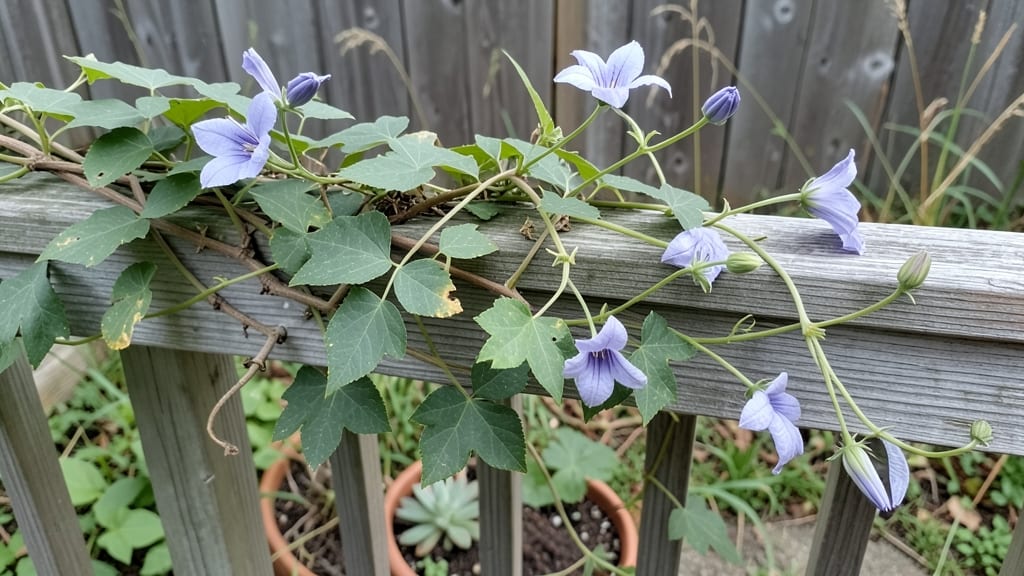
Deck rail plants turn sharp edges into lush, flowing curtains that make your outdoor space feel like an extension of your home. 🌿 I used to think deck railings were just functional barriers, but after trying trailing ferns and petunias, I realized they’re the perfect place for soft, cascading greenery that adds privacy and charm without taking up floor space.
The best deck rail plants are low-maintenance, drought-tolerant, and happy in containers. Look for varieties like sweet potato vine, creeping jenny, or ivy—all of which spill over beautifully without needing constant pruning.
A 5-gallon pot per railing section gives them enough room to thrive, and spacing them 12–18 inches apart ensures full coverage without overcrowding.
By summer’s end, your deck will feel like a private retreat with layers of foliage framing every side. The plants will filter sunlight gently, reduce noise from outside, and even keep curious pets from slipping through gaps.
Plus, they’re easy to swap out seasonally—just swap out pots when the weather changes.
Works for any deck size, from cozy patios to sprawling backyards. Here’s how to pick the perfect plants for your space and climate—no green thumb required.
📚 In This Guide
- What you need
- Instructions
- Tips and common mistakes
- Wrapping up and next steps
What you need
- ● Deck rail plants: Choose 3–5 plants per linear foot of railing (e.g., Lonicera sempervirens for vines or Abelia for compact shrubs). Quantities depend on spacing—aim for 12–18 inches apart for vines, 18–24 inches for shrubs.
- ● Potting soil: 1–2 bags (15–20 lbs each) of well-draining, peat-based mix (add perlite for extra aeration).
- ● Containers: Hanging baskets (10–12" diameter) for vines, 1–2 per plant.
- ● Planters (12–18" depth) for shrubs, 1 per plant.
- ● Fertilizer: Slow-release granular (10-10-10 ratio) or liquid feed (diluted per label).
- ● Mulch: Shredded bark or pine straw (1–2 inches deep) to retain moisture.
- ○ Stakes & ties: (Optional but helpful) 3–4 bamboo stakes (18" tall) + soft plant ties for vines.
- ● Hand trowel (for planting).
- ● Pruning shears (sharp, bypass-style for clean cuts).
- ● Measuring tape (to mark plant spacing).
- ● Watering can or hose with a gentle spray nozzle.
- ● Gloves (gardening or work gloves).
- ● Sunlight assessment: Confirm your deck’s light conditions (full sun, partial shade, or full shade) to pick suitable plants.
- ● Railing compatibility: Ensure containers won’t overhang or obstruct walkways (max 12" depth for safety).
- ● Drainage check: Containers must have drainage holes—add a layer of gravel if repurposing pots.
- ● Local regulations: Verify HOA or rental rules on plant types/heights (some areas restrict vines near structures).
How to choose and install deck rail plants for year-round appeal
Transform your deck’s edges into lush, living borders that blur the line between indoor and outdoor spaces.
🌿 Step 1: Select Plants That Cascade and Thrive
Pick trailing varieties that spill elegantly over railings without becoming invasive. My top choices are fuchsia (for vibrant blooms), sweet potato vine (for bold foliage), and creeping jenkins (for drought tolerance). These all thrive in partial shade to full sun and grow aggressively—perfect for softening hard edges.
Check plant tags for mature spread—most deck rail plants reach 2-3 feet long, so space them 8-12 inches apart along the railing. Avoid plants that climb aggressively (like ivy) unless you want to tame them regularly. I always opt for self-cleaning varieties that shed debris naturally, keeping your deck looking tidy.
🪴 Step 2: Prepare Hanging Baskets or Containers
Use 10-12 inch hanging baskets or window-box-style planters with drainage holes—deck rail plants hate soggy roots. Line the bottom with 1 inch of sphagnum moss to retain moisture while allowing excess water to escape. Fill the rest with a lightweight potting mix (never garden soil—it compacts and suffocates roots).
Add a slow-release fertilizer (like 4-6 month granules) mixed into the soil at planting time. This ensures steady nutrition without frequent feeding. I like to pre-moisten the mix before planting so the roots can settle in without shock. For extra insurance, I top-dress with orchid bark—it improves aeration and mimics the loose, airy soil these plants love.
💧 Step 3: Plant and Position for Maximum Spill
Plant 2-3 mature plants per basket (or 1-2 if using young starts) to create immediate fullness. Arrange them so the trailing stems drape over the edges naturally. For baskets, place 1-2 inches of soil at the top to prevent roots from drying out. Water thoroughly until it drains from the bottom—this ensures the moss layer stays saturated.
Hang baskets evenly along the railing, spacing them 12-18 inches apart for a seamless, flowing effect. Position them where they’ll get at least 4-6 hours of sunlight daily—most trailing plants reward bright light with longer, more vibrant growth. If your deck gets afternoon shade, opt for fuchsia or creeping jenny, which tolerate lower light better than sun-lovers like sweet potato vine.
✂️ Step 4: Prune and Maintain for Continuous Bloom
Pinch back leggy stems every 4-6 weeks to encourage bushier growth and more cascading. I always use clean, sharp scissors and cut just above a leaf node to prevent tearing. Deadhead spent blooms (like on fuchsia) to redirect energy into new flowers instead of seed production. This keeps your deck looking lush year-round.
Water daily in hot weather until the plants establish (about 2-3 weeks), then taper to every other day once they’re settled. Check soil moisture by sticking your finger 1 inch deep—if it’s dry, water until it runs out the drainage holes. In winter, reduce watering to once a week unless temperatures drop below 30°F, when you’ll want to protect tender plants with frost cloth.
☀️ Step 5: Fertilize and Refresh Seasonally
Feed with a balanced liquid fertilizer (like 10-10-10) every 4-6 weeks during the growing season (spring through fall). I mix it at half-strength to avoid burning tender new growth. In late summer, switch to a low-nitrogen, high-phosphorus formula to boost flowering. This simple swap makes a huge difference in bloom quantity and color vibrancy.
Replace 1-2 inches of soil annually in spring to refresh nutrients. I also rinse baskets with water to remove built-up salts from fertilizer. For extra winter interest, add evergreen fillers like helichrysum or sedum to keep color even when other plants go dormant. Your deck will stay inviting and full all year!
Tips & tricks for deck rail plants that wow all year
Deck rail plants transform bare edges into lush, living borders—but only if you nail a few key details. Here's what sets the pros apart from the amateurs.
Plant Placement is Everything: In Step 3, when positioning your baskets, think about how the plants will mature. Place baskets on the shadier side of the railing so trailing stems spill toward the sun—this creates that dreamy, cascading effect while preventing leaf scorch. For maximum drama, stagger basket heights slightly so the plants create a flowing waterfall effect down the railing.
Container Selection Matters More Than You Think: The 10-12 inch hanging baskets mentioned in Step 2 should have sturdy, rust-resistant hardware that won't corrode after a season. I've ruined three beautiful setups when cheap hooks gave out under the weight of established plants. Look for galvanized or powder-coated metal—it's worth the extra investment for that perfect spillover look.
Soil Science Makes All the Difference: Don't skip the orchid bark top-dressing in Step 2—this isn't just fluff! The bark creates air pockets that prevent compaction, which is crucial for trailing plants that need their roots to breathe. Mix in 1 part perlite to 3 parts potting mix if you want to take it a step further—this improves drainage while keeping moisture retention perfect for these thirsty plants.
Winter Protection is Non-Negotiable: When temperatures drop below 30°F as mentioned in Step 4, don't just hope for the best. Wrap baskets in burlap or frost cloth and consider adding insulating foam sleeves around the hanging hardware. I've seen tender fuchsia and sweet potato vines survive winter just fine with this simple protection—without it, you'll be starting from scratch in spring.
Pro Tips for Deck Rail Plants
- Deck rail plants transform bare edges into lush, living borders—but only if you nail a few key details.
- Plant Placement is Everything: In Step 3, when positioning your baskets, think about how the plants will mature.
- Container Selection Matters More Than You Think: The 10-12 inch hanging baskets mentioned in Step 2 should have sturdy, rust-resistant hardware that won't corrode after a season.
Frequently asked questions
Got questions about deck rail plants?
You’re not alone! Here are answers to the most common concerns—from planning to troubleshooting—to help you create a lush, low-maintenance green screen for your deck or patio.
What are the best deck rail plants for full sun exposure?
For sunny spots, opt for Lantana, Vinca (periwinkle), or Dwarf Butterfly Bush. These thrive in heat, need minimal water, and handle reflected sunlight from decks or patios. Avoid fussy plants like ferns—they’ll crisp in direct sun!
How long does it take for deck rail plants to fill in and provide privacy?
Most trailing or bushy varieties (like Sweet Potato Vine or Clematis) take 8–12 weeks to establish and start cascading. Fast growers like Bougainvillea may fill gaps in 4–6 weeks, while slower climbers (e.g., Star Jasmine) take 1–2 seasons for full coverage. Patience pays off!
Do deck rail plants need special care during droughts?
Many deck-friendly plants (such as Succulents or Sedum) are drought-tolerant once established. Water deeply once a week during dry spells, then reduce to every 2 weeks. Mulch with shredded bark to retain moisture. Avoid overwatering—root rot is a common killer!
How do I keep deck rail plants from overrunning my yard?
Use containment methods like:
- Hanging baskets with built-in liners (for trailing plants).
- Pruning shears to trim stragglers every 4–6 weeks.
- Root barriers (for aggressive spreaders like Mondo Grass).
What pests commonly attack deck rail plants, and how do I prevent them?
Watch for:
- Spider mites (yellowing leaves) – Spray with water or neem oil.
- Aphids (sticky residue) – Blast off with a hose or use insecticidal soap.
- Deer/mice (chewed foliage) – Add Daffodils (toxic to critters) nearby or use repellent sprays.
Wrapping up and next steps
Deck rail plants are the perfect way to transform your outdoor space into a serene, stylish retreat—without sacrificing functionality. Whether you’re aiming for lush privacy, a polished look, or just a touch of nature’s charm, these spillover beauties make it effortless. 🌿✨
Ready to elevate your deck? Start small—pick one or two plants, experiment with textures, and watch your space come alive! For extra inspiration, browse our plant care guides or sketch a quick layout before planting. Your dream deck is just a few vines away!