
Pests
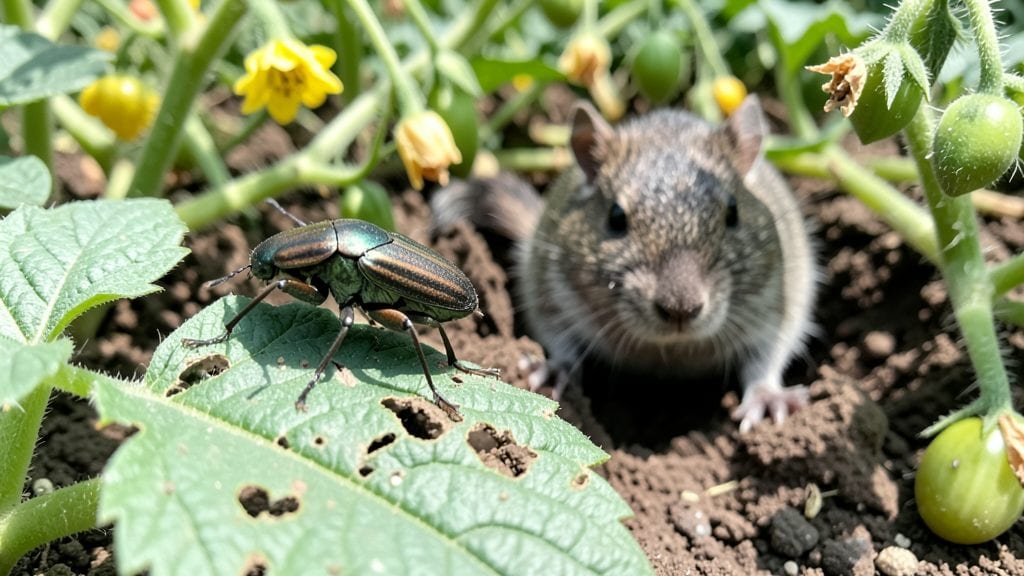
Flea beetles on tomato plants can turn your lush foliage into Swiss cheese overnight—tiny black specks eating away at young leaves and stems. 🌱 I’ve watched entire seedlings skeletonized in just a few days, and I’ll never forget the shock of seeing my carefully nurtured plants looking like lace.
The good news? These pests are small but predictable, and with the right traps and sprays, you can reclaim your harvest before they get worse.
Here’s the thing—flea beetles thrive in warm, dry soil, so they’re most active when your tomatoes are just getting started. The key is acting fast: yellow sticky traps catch them early, while homemade sprays (like neem oil or garlic spray) disrupt their feeding patterns without harming beneficial insects.
I’ve saved multiple seasons of tomatoes using these methods, and the best part? They’re simple enough for anyone to try, even if you’ve never dealt with pests before.
By the end of this, you’ll have a foolproof plan to protect your plants from now until harvest. Your tomatoes will grow strong and healthy, with fewer holes in the leaves and more energy going toward fruit production.
The secret? Combining physical barriers (like row covers) with targeted sprays and monitoring soil moisture—because happy soil means fewer beetles.
Whether you’re growing in raised beds, containers, or a traditional backyard garden, these strategies adapt easily. The first step is identifying the damage, so grab a magnifying glass and let’s get started—your tomato plants will thank you.
Root Causes of Flea Beetle Attacks
Flea beetles don’t just randomly target your tomato plants—they’re drawn by a mix of environmental cues, plant chemistry, and agricultural practices. Understanding these triggers is key to stopping their damage before it starts. Here’s why these tiny pests show up when they do:
Flea beetles have a simple rule: eat the easiest meal. When tomato plants are weak, stressed, or newly planted, their defenses drop, making them irresistible. Here’s why:
- Nutrient Deficiencies: Plants low in nitrogen (key for leafy growth) or phosphorus (critical for root strength) produce softer, more vulnerable foliage. Flea beetles detect these deficiencies through volatile organic compounds (VOCs)—chemical signals plants emit when under stress.
- Transplant Shock: Young seedlings or recently transplanted tomatoes take 2–3 weeks to establish roots. During this time, their cuticles (the plant’s protective outer layer) are thinner, making them easier for beetles to chew through.
- Overcrowding: Plants growing too close compete for sunlight and water, weakening their cell walls. Flea beetles thrive in these conditions because the plants can’t recover quickly from their feeding.
💡 Pro Tip: Harden off seedlings gradually (expose them to outdoor conditions over 7–10 days) and space tomato plants 18–24 inches apart to reduce stress signals.
Flea beetles are cold-blooded insects, meaning their activity spikes when temperatures rise. But it’s not just heat—dry soil and lack of rain turn your garden into a flea beetle hotspot. Here’s how:
| Factor | Why It Attracts Beetles |
|---|---|
| 🌞 Warm Days (65–85°F) | Beetles become active and reproduce faster. Adults lay eggs in soil, and larvae emerge within 5–10 days. |
| 💧 Dry Soil | Stressed plants release more sugars and amino acids in their sap, which beetles find irresistible. Dry conditions also reduce beneficial predators like ground beetles and spiders. |
| ☀️ Direct Sunlight | Beetles prefer open, sunny areas where they can spot plants easily. Shaded or mulched beds are less appealing. |
🌡️ Actionable Fix: Mulch with straw or grass clippings to retain moisture and reduce soil temperature fluctuations. Water deeply in the morning to deter beetles (they avoid wet foliage).
Not all tomato varieties are equally tempting to flea beetles—and some plants nearby can either attract them or repel them. Here’s the breakdown:
- Beetle-Loved Tomato Traits:
- Young, tender leaves (especially on heirloom or indeterminate varieties).
- Plants with a high water content (like cherry tomatoes).
- Tomatoes near cruciferous veggies (e.g., cabbage, broccoli, kale), which flea beetles also adore.
- Beetle-Repelling Companions:
- Basil, marigolds, or nasturtiums: These release limonene and other compounds that mask tomato plant signals.
- Onions and garlic: Their sulfur compounds deter beetles from landing.
- Avoid planting tomatoes near: Potatoes, eggplants, or peppers—these share pests with tomatoes and increase infestation risks.
✨ Organic Hack: Interplant basil between tomato rows. The scent confuses beetles and improves tomato flavor!
Even the best-intentioned gardening practices can accidentally create a flea beetle paradise. Common mistakes include:
- Over-Tilling Soil: Exposes flea beetle pupae (which overwinter in the top 2 inches of soil) to the surface, where they hatch faster.
- Using Synthetic Fertilizers: Can disrupt soil microbes that naturally suppress beetle populations. Organic compost, on the other hand, boosts beneficial nematodes and fungi.
- Ignoring Last Year’s Debris: Old plant matter left in beds provides shelter for overwintering adults. Clear out garden waste in fall to break their life cycle.
- Monocropping Tomatoes: Planting the same Solanaceae family (tomatoes, peppers, potatoes) year after year depletes soil predators and signals beetles that “food is abundant here.”
🔥 Prevention Tip: Rotate crops annually and avoid working soil when it’s damp (to prevent spreading beetle eggs). Use a broadfork to aerate soil gently without tilling.
Quick fixes for tomato plant pests
Flea beetles may seem like tiny troublemakers, but with the right approach, you can protect your tomato plants and keep them thriving. Below are targeted solutions based on the root cause—whether it’s early damage, heavy infestation, or prevention for next season.
These methods are organic, effective, and easy to implement, so you can focus on enjoying your homegrown tomatoes instead of battling pests.
If you’ve spotted tiny holes in young leaves or stems, flea beetles are likely just starting their attack. The fastest way to cut off their access is with a physical barrier.
- 🍳 Use Row Covers Lightweight, breathable fabric (like floating row covers) creates an instant shield. Secure it tightly around your tomato plants, especially if seedlings are still vulnerable. Leave enough room for growth but tuck edges into the soil to block beetles from crawling underneath.
Pro Tip: 💡 Remove covers when flowers appear to allow pollination, then reapply if beetles return.
- 👨🍳 DIY Collar Protection For young plants, wrap the base of the stem with cardboard tubes or toilet paper rolls secured with wire or twist ties. This deters beetles from chewing on stems, which can kill seedlings. Remove once plants are sturdy (about 4–6 inches tall).
Once beetles are actively feeding, you’ll need to lure them away or eliminate them directly. These traps are simple but highly effective.
- 🔪 Yellow Sticky Traps Flea beetles are attracted to yellow surfaces. Hang yellow sticky cards near your tomato patch to catch adults before they lay eggs. Place traps at plant height and check/replace them every 3–5 days.
Pro Tip: 🌡️ For a homemade version, coat yellow cardboard with petroleum jelly and hang it with string.
- 🍅 Beer Traps (Yes, Really!) Bury a shallow container (like a plastic cup) filled with beer or yeast water near your plants. The scent attracts beetles, which drown in the liquid. Refresh every few days for maximum effectiveness.
Pro Tip: ✨ Add a drop of dish soap to break the surface tension and ensure beetles sink faster.
The best defense is a multi-layered approach that makes your garden less appealing to flea beetles. Here’s how to stay ahead:
- 🌱 Rotate Plant Locations Flea beetles thrive in tomato-heavy soil. Rotate your tomato plants to a new spot each year (or at least every 3 years) to disrupt their life cycle. Avoid planting tomatoes, peppers, or eggplants in the same family (Solanaceae) in the same area.
- 💪 Strengthen Your Plants Healthy tomatoes resist pests better. Use compost or balanced organic fertilizer to boost growth, and water deeply at the base (not overhead) to reduce stress. Stronger plants recover faster from light damage.
- 🎯 Plant Companion Crops Some plants repel flea beetles naturally. Interplant tomatoes with:
- Basil – Masks tomato scent and confuses beetles.
- Marigolds – Release chemicals that deter pests.
- Nasturtiums – Act as a “trap crop” to lure beetles away.
Pro Tip: 🔥 Avoid planting tomatoes near potatoes or other solanaceous crops, as this can attract more beetles.
If beetles have already skeletonized your leaves or your plants are under siege, these sprays provide quick relief without harsh chemicals.
- 🍳 Neem Oil Spray Neem oil disrupts beetle feeding and reproduction. Mix 1–2 tablespoons of neem oil with 1 teaspoon of mild soap in 1 quart of water. Spray early in the morning or late evening to avoid harming bees. Reapply every 5–7 days until beetles decline.
- 🥘 Kaolin Clay (Surround WP) This white, clay-based spray creates a protective film on leaves that beetles avoid. Mix according to package instructions and apply when plants are dry. It’s safe for beneficial insects and won’t harm your tomatoes.
- 🔪 Pyrethrin Spray (Last Resort) Derived from chrysanthemums, pyrethrin is highly effective but should be used sparingly. Spray in the evening to protect pollinators. Avoid using it more than 2–3 times per season, as beetles can build resistance.
Remember: Consistency is key! Combine trapping, barriers, and prevention for the best results. With these methods, your tomato plants will bounce back—and you’ll be enjoying juicy, pest-free harvests in no time.
Frequently asked questions
How do I tell if tiny holes in my tomato leaves are from flea beetles?
Look for tiny, irregular holes along the edges of leaves—almost like someone punched them with a pin. Flea beetles leave behind a lace-like pattern and often chew new growth first. Check the undersides too; you might spot the 1/16-inch black beetles jumping away when disturbed.
Will neem oil really stop flea beetles from damaging my tomatoes?
Yes, but it’s most effective when used preventively. Mix 1 tablespoon neem oil + 1 teaspoon mild soap per quart of water and spray leaves thoroughly at dusk. Reapply every 5-7 days during active beetle season (spring/summer). It disrupts their feeding and reproduction, but heavy infestations may need row covers too.
Can I use beer traps for flea beetles, or is that just for slugs?
Beer traps work wonders for flea beetles too! Bury a shallow container filled with beer or yeast water near your plants. The scent attracts them, and they drown. Refresh every 3-4 days for best results. For extra effectiveness, add a drop of dish soap to break surface tension and ensure beetles sink faster.
Why do flea beetles seem worse in dry weather?
Dry conditions stress tomato plants, making them release more sugars that attract beetles. Plus, dry soil reduces natural predators like ground beetles. Water deeply in the morning to keep soil moist and deter beetles (they avoid wet foliage). Mulch with straw to retain moisture and cool soil temperatures.
Will row covers harm my tomato plants if left on too long?
Row covers are safe if removed during flowering/pollination (use temporary supports to hold them up). Leave them on for 4-6 weeks after transplanting to protect young plants, then remove for 2-3 days per week during bloom time. Secure edges tightly to prevent beetles from crawling underneath.