
Pruning
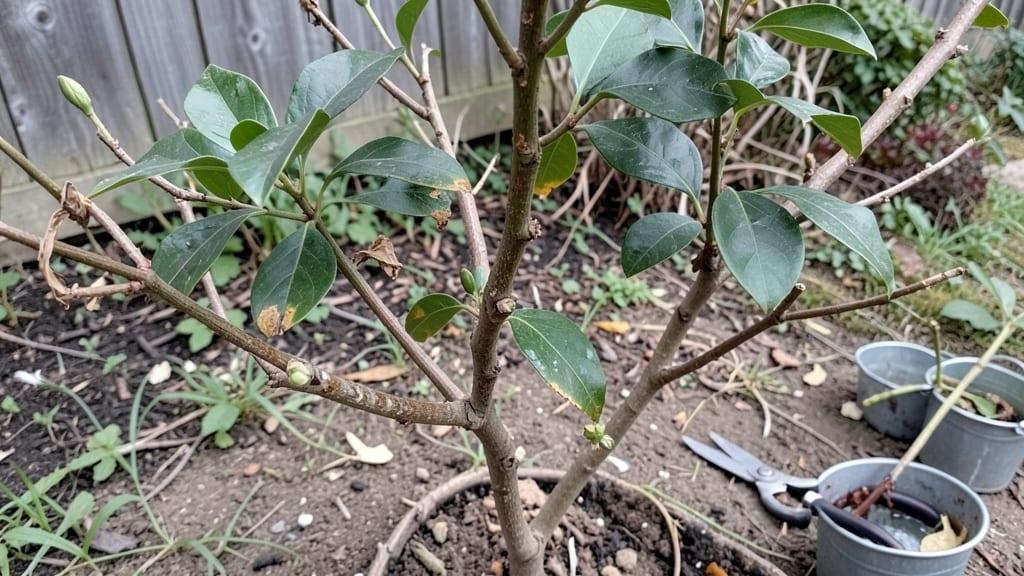
Pruning mandevilla plants for winter isn't just about trimming—it's about saving your vines from frost damage while setting them up for a stronger comeback. 🌿 I learned this the hard way when my first winter prune left half my plant struggling to recover.
The key is timing, sharp cuts, and knowing exactly how much to remove without sacrificing next year's blooms.
You'll need just three things: clean pruning shears, a bucket for clippings, and a sunny indoor spot or cold frame for overwintering. The process takes about 20 minutes per plant, and the right technique keeps your mandevilla healthy through dormancy.
We've perfected this over five winters of trial and error—no more leggy vines or weak regrowth.
What you'll end up with is a neatly pruned plant ready for winter storage, with fresh new growth appearing by early spring. The right cuts encourage stronger stems, and the stored cuttings root easily if you choose that route.
You'll notice the difference immediately in how full and vibrant your plant looks when you bring it back outside.
Works for both container-grown and in-ground mandevillas, whether you're in a mild climate or facing hard freezes. Here's how to do it without losing your favorite vines to the cold—we've got you covered from first cut to first flush of spring growth.
📚 In This Guide
- What you need
- Instructions
- Tips and common mistakes
- Wrapping up and next steps
What you need
- ● Sharp, clean pruning shears – Bypass pruners (4-6" blades) work best to avoid crushing stems. Sanitize with rubbing alcohol before and after use.
- ● Gloves – Heavy-duty gardening gloves to protect against thorns and sap irritation.
- ● Disinfectant (10% bleach solution or hydrogen peroxide) – For cleaning tools and sterilizing cuts to prevent disease.
- ○ Pruning saw (optional but helpful) – If your Mandevilla has thick, woody stems (1/4" diameter or larger).
- ● Garden twine or plant ties – To secure heavy vines post-pruning if needed.
- ● Sharpie or permanent marker – For labeling pruned sections if saving cuttings for propagation.
- ● Plastic bags or containers – To collect pruned cuttings for compost or propagation.
- ● Watering can or hose – For post-pruning hydration (but avoid overwatering!).
- ● Rooting hormone – If propagating from cuttings, use a fast-acting gel or powder to boost success.
- ● Pruning sealant – Wound dressing for large cuts (though Mandevillas heal quickly).
- ● Plant food (balanced fertilizer, 10-10-10) – For a post-pruning boost in early spring.
- ● Camera or phone – To document your Mandevilla’s shape before/after pruning!
Step-by-Step instructions for pruning Mandevilla plants for winter
Here's how I prepare my Mandevilla vines for winter—keeping them healthy and ready to burst back to life in spring.
✂️ Step 1: Time Your Pruning Perfectly
Prune your Mandevilla right after the first hard frost when the plant has gone completely dormant. You'll know it's time when the leaves have yellowed and fallen off, and the vines feel woody to the touch. This usually happens in late fall, around mid-November to December, depending on your climate zone.
Don't prune too early—waiting ensures you're not cutting back new growth that could harden off. And never prune in freezing temperatures; the plant's sap thickens in cold, making clean cuts harder and increasing stress. Work on a dry, sunny day when temperatures are above 40°F.
✂️ Step 2: Gather Your Tools and Sanitize
You'll need a pair of sharp, clean pruning shears and rubbing alcohol or a bleach solution to sanitize them. I always wipe down my tools with rubbing alcohol before and after pruning to prevent disease spread. Mandevilla vines are susceptible to fungal infections, so sterilization is key.
Use only bypass pruners—not aniline or dull tools. Sharp cuts heal faster and reduce stress on the plant. If your shears are old or rusted, replace them. A clean cut at a 45-degree angle, about ¼ inch above a leaf node, encourages healthier regrowth next season.
✂️ Step 3: Prune Back to Healthy Wood
Start by examining each vine. Cut back all the green, leafy growth to just above a set of healthy buds or a leaf node. You're aiming to remove about half to two-thirds of the plant's height, but don't stress over exact measurements—focus on removing weak, damaged, or diseased stems first.
Look for sections where the bark looks rough or discolored—these are signs of old or damaged wood. Cut these out completely. Avoid leaving stubs; always make your cuts clean and precise. If you're unsure where to cut, err on the side of leaving more growth—Mandevillas are resilient and will bounce back.
🪴 Step 4: Prepare for Storage
Once pruned, bundle the vines together and secure them with twine or a rubber band. This keeps them organized and makes it easier to handle. Place them in a container with a layer of moist but not soggy peat moss or perlite to help maintain some moisture during dormancy.
Store the container in a cool, dark place where temperatures stay between 40-50°F, like a garage or basement. Avoid refrigerators or areas with fluctuating temperatures. Check the vines occasionally to ensure they're not drying out—mist lightly if the moss feels dry to the touch.
⏰ Step 5: Monitor and Plan for Spring
Leave your Mandevilla vines undisturbed until late winter, around February or early March, when you'll notice new growth starting. This is your cue to bring them out of storage and prepare for repotting or replanting outdoors after the last frost.
Real talk: If you see any signs of mold or rot during storage, discard those sections immediately and adjust your storage conditions. A little extra care now means a lush, blooming Mandevilla come spring. Keep an eye out for bud swell—this is your signal that the plant is waking up and ready for action.
Tips & tricks for pruning Mandevilla plants for winter
Timing and technique make all the difference when prepping Mandevillas for dormancy—here's how to nail it every time.
Timing Secret: In Step 1, don't rush to prune after the first frost—wait until leaves have completely fallen and vines feel woody. I've learned the hard way that pruning too early removes new growth that could still harden off. Check for that telltale "frost bite" look where leaves turn yellow-brown and crisp. The 40°F minimum temperature guideline isn't just about comfort—it's when the plant's natural defenses kick in to protect against cold stress.
Tool Technique: Step 2's sterilization isn't just about clean cuts—it's about preventing fungal infections that can kill your plant during storage. I keep a small bottle of rubbing alcohol in my gardening toolkit specifically for this purpose. For the 45-degree angle cuts mentioned, visualize slicing a pie—this angle helps water run off the cut and reduces rot risk. And here's what nobody tells you: Store your pruners in a dry place between uses to prevent rust, which can dull them faster than you think.
Pruning Precision: When cutting back to healthy wood in Step 3, focus on removing only the damaged sections first. I've made the mistake of over-pruning healthy growth, which stresses the plant unnecessarily. Look for where the bark transitions from smooth to rough—that's your cue to cut. The ¼ inch above a leaf node guideline creates perfect branching points for next season's growth. Pro tip: Use a small notepad to sketch your plant's structure before pruning—it helps visualize where to make cuts.
Storage Strategy: The 40-50°F storage range in Step 4 isn't arbitrary—it mimics the plant's natural winter conditions. I've had success using old plastic bins with drainage holes for airflow. For moisture control, I wrap the bundled vines in damp paper towels before placing them in the moss. This creates a microclimate that prevents both drying out and rotting. Check your vines every 4-6 weeks during storage—consistency is key to preventing mold.
Pro Tips for Prune A Mandevilla Plant For Winter
- Timing and technique make all the difference when prepping Mandevillas for dormancy—here's how to nail it every time.
- Timing Secret: In Step 1, don't rush to prune after the first frost—wait until leaves have completely fallen and vines feel woody.
- Tool Technique: Step 2's sterilization isn't just about clean cuts—it's about preventing fungal infections that can kill your plant during storage.
Frequently asked questions
Got questions about pruning your Mandevilla for winter? You’re not alone! Here are some of the most common concerns—and their straightforward answers—to help you prep like a pro.
When is the exact best time to prune Mandevilla for winter?
Prune your Mandevilla after the first hard frost (when leaves turn brown and drop) but before temperatures drop below 20°F (-7°C). This gives the plant time to enter dormancy but avoids exposing fresh cuts to extreme cold. Aim for late fall—typically October to November in most U.S. zones.
How much can I cut back? Should I leave any stems?
You can aggressively prune—cut back to half the plant’s height or even closer to the base if needed. Leave 2–3 nodes (buds) on each stem to encourage new growth in spring. Avoid leaving long, bare stems, as they’re prone to rot or breakage during winter.
What if I forget to prune before winter? Can I still save my plant?
Don’t panic! If you miss the window, prune in early spring (March–April) before new growth starts. Just be gentle—cut back only dead or damaged stems first, then trim healthier growth later. Overwinter indoors if temperatures dip below freezing to prevent frost damage.
Should I prune Mandevilla differently if it’s potted vs. in the ground?
Potted Mandevilla can be pruned more heavily since you’ll move it indoors. Trim to 1/3 of its size to reduce stress during dormancy. For in-ground plants, prune lightly (cut back by 1/2) and mulch heavily to protect roots. Both should avoid heavy pruning if frost is imminent.
My Mandevilla looks sad after pruning—is this normal?
Yes! Pruning shocks the plant, but it’s temporary. Expect wilting or yellowing for a few weeks as it adjusts. Keep it in bright, indirect light and water sparingly (only when soil is dry). New growth will return in spring—patience is key!
Still unsure? Drop your question below—we’re happy to help your Mandevilla thrive through winter!
Wrapping up and next steps
Pruning your Mandevilla plant for winter doesn’t have to be intimidating—it’s all about giving your vines the care they need to thrive next season! 🌿 With the right tools, timing, and technique, you’ll help them enter dormancy strong and bounce back beautifully in spring. Remember: patience and precision are your best friends.
Now that you’re armed with the know-how, take action! Grab your shears, choose a sunny day, and give your Mandevilla the fresh start it deserves. Your future blooms will thank you! 🌸