
Pruning
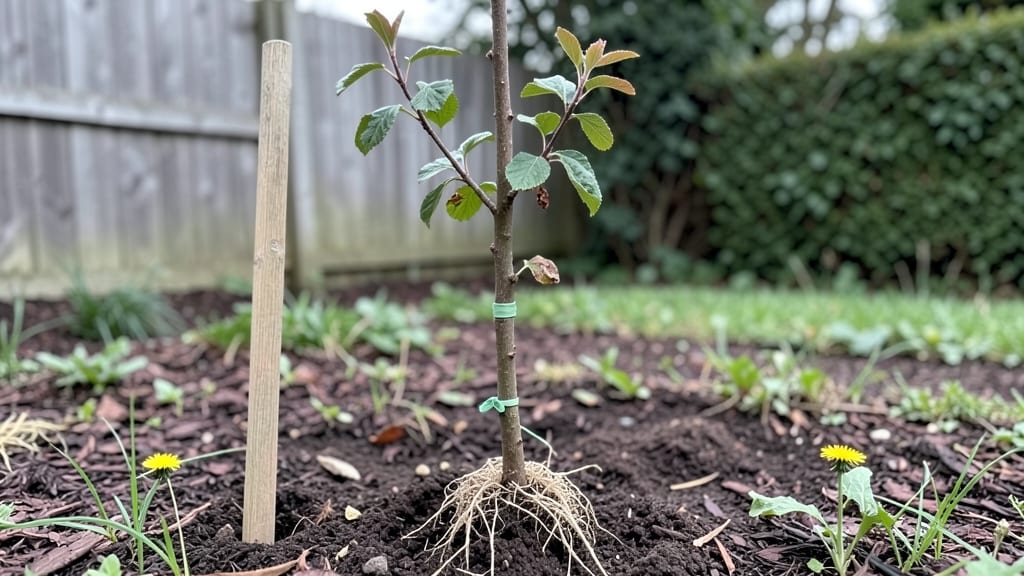
Supporting a newly planted tree isn't just about hammering in stakes—it's about giving your tree the best chance to stand tall on its own. I learned the hard way when my first oak wobbled like a newborn deer after a single storm.
The right support system keeps roots stable while they establish, and proper watering prevents shock that can kill even the sturdiest sapling.
You'll need 2-3 sturdy wooden stakes (no cheap plastic), tree ties that won't cut into bark, and a 5-gallon bucket for deep watering. The stakes should go 12-18 inches from the trunk, angled slightly outward, while the ties should be loose enough to slide up as the tree grows.
Most people over-tighten them, which strangles growth—think "snug like a seatbelt," not "locked down."
After planting, water deeply every 5-7 days (not daily light sprinkles) to encourage roots to spread. The top 6-12 inches of soil should stay moist but never soggy—think "damp sponge," not "mud puddle."
Within 6-12 months, most trees can handle staking removal, provided they're growing straight and roots are established. That first year determines whether your tree becomes a 50-year shade provider or a sad leaning stick.
Seasonal tweaks matter: in winter, add 3-4 inches of mulch (not touching the trunk) to insulate roots, while summer means morning watering to prevent evaporation. Avoid these mistakes—like burying the trunk too deep or using metal stakes that rust—because they turn support systems into hidden hazards.
Your tree's future strength starts with these simple steps.
📚 In This Guide
- What you need
- Instructions
- Tips and common mistakes
- Wrapping up and next steps
What you need
- ● Tree support stakes: 2–4 wooden or metal stakes (3–4 feet tall, 1/2-inch diameter for small trees, 3/4-inch diameter for larger ones).
- ● Tree tie or strap: 1–2 soft, adjustable ties (e.g., T-bar, rubber, or nylon) to secure the tree without damaging the trunk.
- ● Mulch: 2–3 inches of organic mulch (e.g., wood chips, shredded bark) for the root zone only (keep mulch 3–6 inches away from the trunk).
- ● Watering can or hose: With a gentle spray nozzle (or a drip irrigation system for larger trees).
- ● Shovel: A flat-edged spade for loosening soil and creating a watering basin.
- ● Pruners: Bypass pruners (for trimming any damaged branches post-planting).
- ● Tree guard: A plastic or metal spiral wrap to protect the trunk from pests and rodents.
- ● Soil conditioner: Compost or mycorrhizal fungi to boost root growth (mix into planting hole).
- ● Moisture meter: To check soil hydration levels (especially in drought-prone areas).
- ● Stake anchor: U-shaped metal stakes or sandbags to secure stakes in windy conditions.
Step-by-Step instructions for supporting a newly planted tree
Planting a tree is just the beginning—proper support ensures it grows strong and straight for years to come.
Choose the Right Location and Prepare the Soil
The first decision determines everything else. Select a spot with at least 6 feet of clearance in all directions—trees need room to spread their roots and branches without crowding. Avoid low-lying areas where water pools after rain, as soggy soil suffocates roots and invites rot.
Before planting, loosen the soil to a depth of 12-18 inches with a shovel or tiller. This breaks up compacted layers so roots can penetrate easily. Mix in 2-3 inches of compost into the top 6 inches of soil to improve drainage and provide nutrients. The goal is loose, well-aerated soil that won’t resist root growth.
Dig the Proper Hole and Position the Tree
Dig a hole twice as wide as the root ball but no deeper—planting too deep smothers the roots and can kill the tree. A hole that’s too narrow forces roots to circle instead of spreading outward, creating weak structural support. Use the excavated soil to backfill later.
Gently remove the tree from its container and inspect the roots. If they’re circling tightly, use your fingers to loosen them before placing the root ball in the hole. Position the tree so the top of the root ball sits 1-2 inches above ground level—this prevents settling and potential root exposure. A small mound of soil at the base helps with drainage.
Install Support Stakes Correctly
Stakes aren’t just for looks—they stabilize the tree while its roots establish. Drive two 4-foot wooden stakes into the ground at a 45-degree angle, placing them 6-12 inches from the trunk on opposite sides. The stakes should be 3-4 inches apart when viewed from above, forming a loose triangle with the tree.
Attach the stakes to the tree using soft tree ties (never wire or nylon straps—they cut into bark as the tree grows). Position the ties 6-12 inches above the top stake and 6-12 inches below to create a tripod effect. The tree should lean slightly against the ties but not be forced upright—this encourages natural flexibility. Check ties every 3-6 months and loosen them as the tree strengthens.
Water Deeply and Mulch Properly
After planting, water slowly and deeply until the soil 6-12 inches down is thoroughly moistened. You’ll know it’s enough when water runs out the bottom of the hole—this ensures roots make contact with moisture. Watering lightly just wets the surface and encourages shallow root growth, which makes trees vulnerable to drought.
Spread 2-3 inches of mulch in a 3-foot diameter circle around the base, keeping it 6 inches away from the trunk to prevent rot. Use wood chips or shredded bark—avoid rocks or plastic mulch, which don’t improve soil health. Mulch retains moisture, regulates soil temperature, and suppresses weeds, but never pile it against the trunk. Replenish mulch annually as it breaks down.
Monitor and Adjust Support Over Time
Check the stakes and ties every 3-6 months—trees grow faster than you think. If the tree is leaning heavily against the stakes, it’s time to remove one or both. A tree that’s staked for more than 2 years often develops weak stems because it relies on artificial support instead of developing its own strength.
Watch for signs of stress: yellowing leaves, wilting, or bark damage from ties. If the tree sways more than 10 degrees in strong wind, the stakes may need reinforcing. Remove stakes gradually—start by loosening ties and reducing stake contact over 1-2 growing seasons to let the tree adjust. Proper support now means a self-sufficient tree later.
Tips & tricks for supporting a newly planted tree
Proper tree support isn't just about aesthetics—it's the foundation for long-term health and resilience. Here's what I've learned from years of helping trees thrive.
Soil Preparation Matters: When loosening soil to 12-18 inches in Step 1, don't just scratch the surface. Use a broadfork to create vertical channels that encourage deep root penetration. The goal is to mimic natural soil conditions where roots can spread freely. I've seen trees planted in compacted soil struggle for years—this step makes all the difference. The compost you mix into the top 6 inches should be well-aged; fresh compost can burn tender roots.
Stake Placement Strategy: In Step 3, the 45-degree angle for stakes isn't arbitrary—it creates a natural leverage point that mimics wind resistance. Position the stakes slightly uphill if your yard slopes to prevent leaning. I've found that placing stakes 8-10 inches from the trunk (within the 6-12 inch range) provides optimal support without restricting root spread. The tripod effect with ties above and below the stakes creates a more stable structure than single-point attachment.
Watering Technique: The deep watering in Step 4 requires patience. Use a soaker hose or drip irrigation to deliver water slowly to the 6-12 inch depth. I test soil moisture by sticking my finger down—it should feel damp but not soggy. A common mistake is watering too frequently but shallowly; this creates weak, surface roots. For the first year, water deeply every 7-10 days unless you've had significant rain, adjusting for your local climate.
Mulch Application Wisdom: The 2-3 inch mulch layer in Step 4 should be thought of as a living blanket. I recommend using wood chips because they break down slowly and improve soil structure over time. The 3-foot diameter circle creates an ideal microclimate—keeping roots cool in summer and insulated in winter. Remember to refresh the mulch annually as it decomposes; this maintains its effectiveness without smothering the tree.
Pro Tips for Support A Newly Planted Tree
- Proper tree support isn't just about aesthetics—it's the foundation for long-term health and resilience.
- Soil Preparation Matters: When loosening soil to 12-18 inches in Step 1, don't just scratch the surface.
- Stake Placement Strategy: In Step 3, the 45-degree angle for stakes isn't arbitrary—it creates a natural leverage point that mimics wind resistance.
Frequently asked questions
Got questions about keeping your newly planted tree thriving? You’re not alone! Here are some of the most common concerns—and straightforward answers—to help you feel confident as you support your young tree.
How long should I stake a newly planted tree?
Most trees only need staking for 1–2 years, or until their root system stabilizes. Over-staking can weaken the trunk by preventing natural trunk thickening. Check the tree’s flexibility—if it sways but doesn’t break, it’s ready to go stake-free!
Can I water my tree too much?
Yes! Overwatering suffocates roots by cutting off oxygen. Aim for 1–1.5 inches of water per week (including rain), and always water deeply at the base—not the leaves. Let the soil dry slightly between waterings to encourage strong root growth.
What if my tree leans after planting?
Don’t panic—leaning can happen! If the lean is slight (<30°), it’s often harmless. For severe leans, gently straighten the tree and re-stake it. Avoid forcefully bending the trunk, which can cause damage. Over time, trees often self-correct as roots grow.
Are there alternatives to traditional stakes?
Try tree ties (fabric or rubber straps) to secure the tree to a post, or use biodegradable stakes made from cornstarch. For small trees, even a burlap wrap around the trunk can add temporary support. Always avoid wire or tight materials that can girdle the tree.
What should I do if the tree’s leaves turn brown?
Brown leaves usually mean underwatering, overwatering, or stress. Check the soil moisture—if it’s dry, water deeply. If soggy, reduce watering and improve drainage. Also, inspect for pests or disease (like fungal spots). Most trees bounce back with proper care!
Wrapping up and next steps
Supporting a newly planted tree is all about patience, consistency, and care—your efforts will pay off as it grows stronger each season! 🌱 By using the right stakes, mulching wisely, and watering deeply, you’re giving your tree the best chance to thrive.
Remember, even small steps make a big difference over time.
Now that you’re armed with the know-how, take action! Grab your tools, head outside, and give your tree the love it deserves. Watch it grow—and enjoy the rewards of a job well done! 🌳✨