Pruning
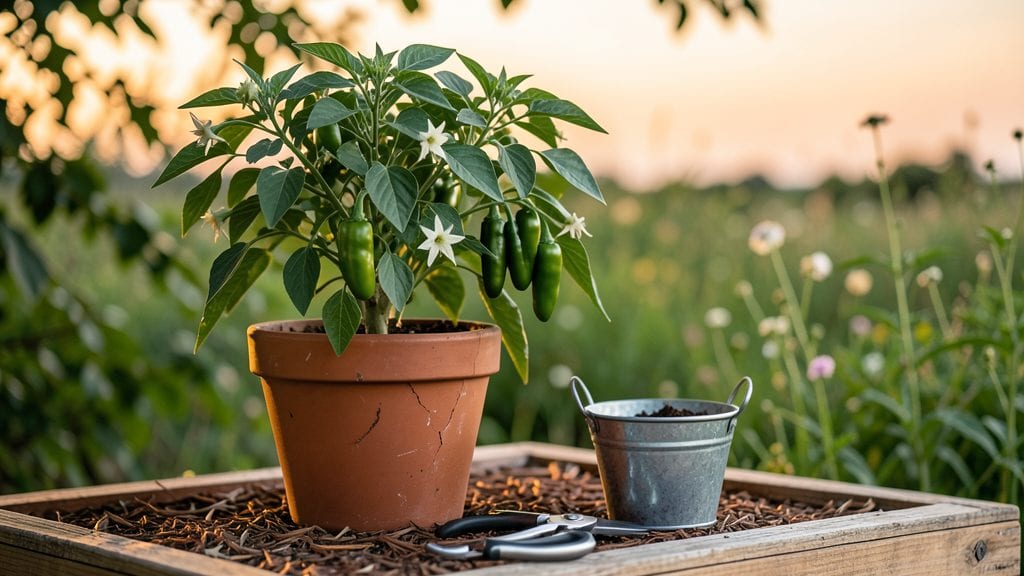
Trimming jalapeño plants isn’t just about keeping them neat—it’s the secret to year-round harvests that taste hotter and produce more than you’d expect. 🌱 I’ve learned the hard way that skipping this step means fewer peppers, slower growth, and plants that collapse under their own weight by midsummer.
The right cuts encourage the plant to focus energy on fruit instead of just leaves and stems. You’ll need sharp pruners, a clean cutting surface, and about 15 minutes every few weeks. Start by removing any yellow or damaged leaves first—they’re just stealing nutrients from your future harvest.
After a few strategic cuts, you’ll notice thicker stems, bushier growth, and peppers forming at every node. The airflow improves too, which means fewer diseases and happier plants. By winter, even your smallest jalapeños will be packed with heat and ready for the table.
Works for both container-grown plants and in-ground gardens, regardless of whether you’re growing one bush or a full row. The key is consistency—don’t wait until the plant looks overgrown. A little attention now means a bigger, better harvest later.
📚 In This Guide
- What you need
- Instructions
- Tips and common mistakes
- Wrapping up and next steps
What you need
- ● Pruning shears or sharp scissors – Clean, sterilized, and sharp (bypass pruners work best for precision cuts).
- ○ Gloves (cut-resistant) – Optional but recommended to protect hands from thorns and spicy sap.
- ● Disinfectant (rubbing alcohol or bleach solution) – 1 part bleach to 9 parts water for sterilizing tools between cuts.
- ● Jalapeño plants – Healthy, mature plants (6+ inches tall) with visible stems and leaves.
- ○ Container or bucket – For collecting trimmings (optional but helpful for composting or cooking!).
- ● Garden twine or plant ties – To support heavy branches post-trimming.
- ○ Pruning sealant (optional) – For large cuts to prevent disease entry (e.g., tree wound paint).
- ● Notebook & pen – To track growth stages and trimming dates.
- ● Compost bin – For repurposing trimmings into nutrient-rich compost.
Step-by-Step guide for trimming jalapeño plants
Here’s how to keep your plants productive and healthy all season—no guesswork, just precise cuts.
✂️ Step 1: Identify and Remove Suckers
Suckers are the small shoots that grow in the crotch between the main stem and a branch. These weak offshoots drain energy from your plant instead of fueling fruit production. Use clean, sharp pruning shears to snip them off at the base—don’t leave a stub. I check for suckers every 2-3 weeks during the growing season, especially in the early morning when the plant is hydrated.
If you spot a sucker, look for its origin point. It’ll either grow from the main stem or a branch. Remove only the ones attached to the main stem—those growing between branches are actually new fruiting branches and should stay. Watch for new growth in the same spots; sometimes suckers pop up fast, so stay vigilant.
🌿 Step 2: Prune Leggy Growth and Encourage Bushiness
Leggy growth happens when your jalapeños stretch too tall and thin, often due to insufficient light or overcrowding. Trim back the top 1/3 of the plant just above a leaf node (the spot where leaves and branches meet). This forces the plant to put energy into lateral branches instead of reaching upward.
I do this pruning in early spring or after the first harvest to reset growth. You’ll see new shoots emerge from the nodes within 1-2 weeks. Avoid cutting into woody stems—stick to green growth only. If your plant looks crowded, thin out some of the inner branches to improve airflow and reduce disease risk.
✂️ Step 3: Harvest and Trim Mature Peppers
Harvest peppers when they’re 3-5 inches long and fully colored, depending on your preferred heat level. Use pruning shears to cut the stem just above the fruit—never pull or twist, which can damage the plant. After harvesting, inspect the plant for any yellowing or diseased leaves and remove them immediately to prevent spread.
Here’s the thing—trimming at harvest time isn’t just about picking peppers. It’s also about shaping the plant. If a branch has more than 3-4 peppers, trim back the smallest ones to let the larger peppers grow bigger and hotter. You’ll notice the plant rebounds quickly, often producing new flowers within 5-7 days.
⏰ Step 4: Prune for Winter Dormancy
As temperatures drop below 50°F, jalapeños slow down. Before the first frost, cut back the plant to 12-18 inches tall, leaving only the main stem and a few sturdy branches. This helps the plant conserve energy over winter. Remove all dead or diseased foliage first—it’s a breeding ground for pests and diseases.
I like to do this in late fall, after the last harvest. Trim just above a leaf node or a bud to encourage new growth in spring. Mulch around the base with 2-3 inches of organic mulch to protect roots from freezing temperatures. Your plant will look dormant, but it’s actually storing energy for next year’s harvest.
🌱 Step 5: Springtime Renewal Pruning
When spring arrives and new growth appears, it’s time for a final pruning to shape the plant for the season. Trim back any dead or weak branches first, then cut the remaining plant back by 1/4 to 1/3 to encourage bushier growth. This is also the perfect time to remove any suckers that popped up over winter.
After pruning, give your plant a balanced fertilizer to support new growth. You’ll see fresh leaves and flowers within 2-3 weeks. Real talk: if you skipped winter pruning, don’t worry—just focus on removing dead growth and shaping the plant now. The key is to keep the plant healthy and focused on producing peppers, not just growing taller.
Tips & tricks for perfect jalapeño plant trimming
These precision-focused tips will help you maintain a productive jalapeño plant all year—without sacrificing next season's harvest.
Timing is Everything: In Step 1, when removing suckers every 2-3 weeks, I've found that early morning is ideal because the plant is fully hydrated and easier to handle. This reduces stress on the plant and makes those small shoots easier to spot. Confession: I skipped this timing once and ended up with more suckers than I started with!
The Leaf Node Secret: When pruning in Step 2 and Step 5, always cut just above a leaf node—this is where new growth will emerge. I like to make my cuts at a slight angle to prevent water from pooling and causing rot. If you're unsure where the node is, look for the small bump where leaves and branches connect. It's like finding the sweet spot on a guitar string!
Harvest Strategy: During Step 3, when you're harvesting peppers, remember that less is often more. Instead of picking all peppers at once, I trim back the smallest ones on crowded branches to let the larger peppers develop their full heat potential. This simple step can double your yield of premium-sized jalapeños. The plant will thank you by producing new flowers within 5-7 days!
Winter Prep: For Step 4's winter dormancy pruning, don't rush the process. When cutting back to 12-18 inches, take your time to remove only the necessary growth. I've seen gardeners get overzealous and cut too much, which can stress the plant. Leave those sturdy branches—they'll be your plant's foundation for next year's growth. And that 2-3 inches of organic mulch? It's not just decoration—it's insulation for your plant's roots.
Pro Tips for Trimming Jalapeno Plants
- These precision-focused tips will help you maintain a productive jalapeño plant all year—without sacrificing next season's harvest.
- Timing is Everything: In Step 1, when removing suckers every 2-3 weeks, I've found that early morning is ideal because the plant is fully hydrated and easier to handle.
- The Leaf Node Secret: When pruning in Step 2 and Step 5, always cut just above a leaf node—this is where new growth will emerge.
Frequently asked questions
Got questions about keeping your jalapeño plants productive and healthy? Here are some of the most common ones—and their answers—to help you master the art of trimming:
When is the best time to start trimming jalapeño plants?
Trim your jalapeños after they’ve established 4-6 true leaves (about 4-6 weeks old) and again when they’re 10-12 inches tall. Focus on removing lower leaves and suckers before flowering to encourage bushier growth. Avoid heavy pruning during extreme heat or drought—wait for mild weather!
How do I know which leaves or branches to cut?
Remove yellow or diseased leaves first, then prune suckers (small shoots growing between the main stem and branches) and lower leaves touching the soil to prevent pests. Snip branches that grow inward or cross—aim for an open, airy shape to maximize sunlight and airflow.
Will trimming reduce my jalapeño yield?
Not if done right! Pruning increases yield by redirecting energy to fruit production. Over-trimming (cutting >30% of foliage at once) can stress plants, but regular light pruning (every 2-4 weeks) keeps them productive. Focus on healthy growth, not size!
Can I trim jalapeño plants in winter or cold climates?
Yes, but only if your plants are dormant or in containers you can move indoors. Avoid heavy pruning in freezing temps—wait until spring. For potted plants, trim lightly in a warm, sunny spot (like a greenhouse) to avoid shock. Hardier varieties (like ‘Early Jalapeño’) handle winter trims better than tender ones.
What if my plant looks sad after trimming?
Don’t panic! Mild wilting is normal—keep soil moist (not soggy) and provide bright, indirect light for 1-2 weeks. If leaves turn yellow or drop, you may have over-pruned. Boost recovery with a balanced fertilizer (10-10-10) and avoid trimming again until new growth appears.
Still stumped? Drop your question in the comments—we’re happy to help your jalapeños thrive!
Wrapping up and next steps
Trimming your jalapeño plants isn’t just about keeping them tidy—it’s the secret to a bountiful, year-round harvest! 🌱 By mastering precision cuts, you’ll encourage healthier growth, more peppers, and even milder flavors when needed.
Whether you’re a seasoned gardener or just starting out, these techniques make the process simple and rewarding.
Now that you’re armed with the know-how, roll up your sleeves and get pruning! 🌿 Start small—grab those shears, pick a sunny day, and watch your jalapeño plants thrive. Happy harvesting ahead!