
Companion Plants
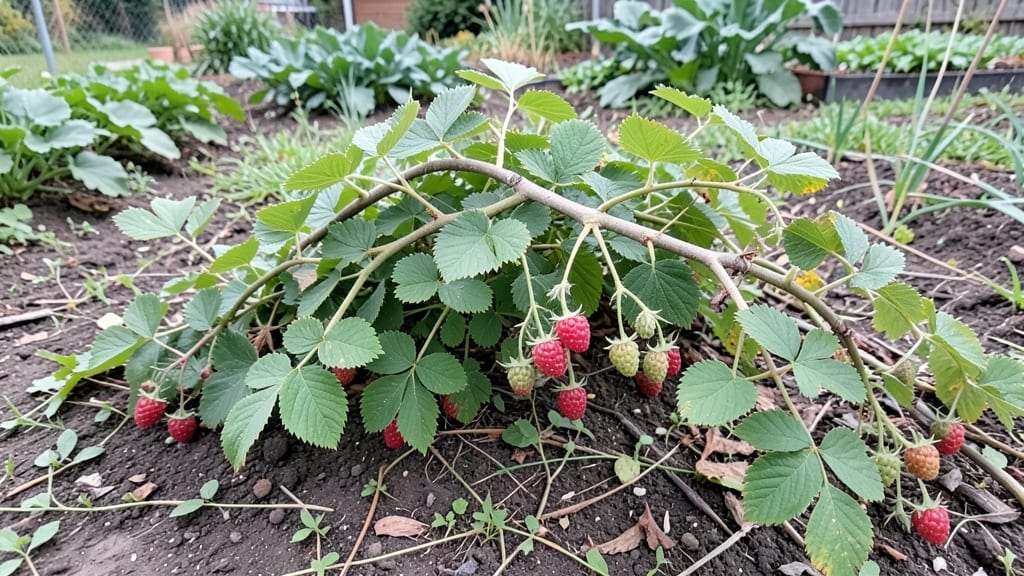
Growing Latham raspberry plants transformed my northern garden from a hit-or-miss experiment to a reliable summer harvest every year. This cold-hardy variety thrives where most raspberries give up—surviving -25°F winters and still delivering sweet, firm berries that taste better than anything from the store.
The secret isn’t just the plant; it’s knowing exactly when to prune, how to protect those canes in winter, and the simple soil tweaks that make all the difference.
You’ll need a sunny spot with at least 6 hours of morning light, well-draining soil with a pH between 5.5 and 6.5, and a trellis or wire support to keep those canes upright (they grow 4-6 feet tall).
The biggest mistake beginners make is overwatering—Lathams hate soggy roots but love consistent moisture during fruiting. I’ve found that mulching with straw in early spring keeps the soil cool and weeds at bay, which is exactly what these plants crave for maximum yield.
By midsummer, you’ll be picking berries that burst with flavor, and with proper pruning in late winter, the next year’s crop will be even stronger. The plants reward patience: first-year yields are modest, but after two seasons, you’ll have a bush that produces pounds of fruit with minimal effort.
The key is timing—prune old canes right after harvest, and you’ll avoid the common problem of crowded growth that reduces fruit quality.
Works in zones 3-7, making it perfect for gardeners who’ve given up on raspberries in colder climates. Here’s how to get started without the trial-and-error of my early years—so you can enjoy those sweet, juicy berries from your first harvest.
📚 In This Guide
- What you need
- Instructions
- Tips and common mistakes
- Wrapping up and next steps
What you need
- ● Latham raspberry plants: 2–4 bare-root or container-grown plants (choose healthy, disease-free specimens).
- ● Well-draining soil: A mix of native soil, compost (20–30%), and perlite or sand (10–15%) for improved aeration.
- ● Organic mulch: 2–3 inches of straw, wood chips, or pine needles to retain moisture and suppress weeds.
- ● Fertilizer: Balanced 10-10-10 or organic options like composted manure or worm castings (apply at planting and mid-season).
- ● Support system: 6–8 ft tall T-posts or sturdy stakes with strong twine or raspberry trellis netting.
- ● Hand trowel or transplant spade for digging.
- ● Pruning shears (sterilized with rubbing alcohol).
- ● Garden hose or watering can with a fine rose attachment.
- ● Wheelbarrow or bucket for mixing soil amendments.
- ● Gloves and long sleeves (raspberry canes have thorns!).
- ● Drip irrigation system for consistent moisture.
- ● Row cover or frost cloth for early-season protection.
- ● Soil pH test kit (ideal range: 5.5–6.5; amend with lime or sulfur if needed).
- ● Beneficial nematodes or neem oil to deter pests like spider mites.
Step-by-step guide to planting and caring for Latham raspberry plants
This cold-hardy variety thrives in northern climates with minimal fuss—here’s how to get them established strong.
Select the Right Planting Site and Prepare the Soil
Latham raspberries need full sun exposure—at least 6-8 hours of direct sunlight daily—to produce their signature sweet, firm berries. Choose a location with well-draining soil, as soggy roots lead to root rot and weak canes. If your soil is heavy clay, amend it with 2-3 inches of compost mixed into the top 12 inches of soil before planting. Raspberries also benefit from a slightly acidic to neutral pH between 5.5 and 7.0.
Test your soil’s pH with a kit if unsure, and adjust with elemental sulfur (to lower pH) or lime (to raise it) a few weeks before planting. Avoid planting in low spots where cold air settles, as Latham varieties are cold-hardy but still need protection from late frosts. A south-facing slope or raised bed works best for optimal warmth and drainage.
Plant Bare-Root Raspberries at the Right Time and Depth
Plant your Latham raspberries in early spring, as soon as the ground is workable but before new growth begins. If you’re in a colder region, fall planting is also an option, but avoid planting in late summer or fall when roots won’t establish before winter. Soak the bare-root plants in lukewarm water for 2-3 hours before planting to rehydrate the roots and encourage faster establishment.
Dig a trench 12-18 inches wide and 12 inches deep, spacing plants 4-5 feet apart in rows 6 feet apart. This spacing allows for proper air circulation, reducing the risk of fungal diseases like cane blight. Place each plant so the crown (where roots meet the cane) sits just above soil level—burying it too deep can suffocate the plant, while leaving it too high exposes roots to drying. Backfill the trench with soil, firming it gently around the roots to eliminate air pockets.
Install Support and Mulch for Healthy Growth
Raspberries are vigorous growers, and Latham varieties produce long, heavy canes that need support to prevent breakage. Install T-posts or sturdy wire trellises at planting, spacing them 10 feet apart along the row. Use garden twine or jute twine to loosely tie canes to the support as they grow, ensuring they don’t flop over. Avoid tying too tightly, as raspberry canes thicken as they mature.
Apply a 3-inch layer of organic mulch, such as straw or wood chips, around the base of each plant, keeping it 6 inches away from the crown to prevent rot. Mulch conserves moisture, suppresses weeds, and regulates soil temperature—critical for Latham’s cold-hardiness. Water deeply after planting to settle the soil and encourage root growth, then maintain 1-2 inches of water per week during the growing season, especially during fruit development.
Prune and Maintain for Maximum Yield
Latham raspberries are summer-bearing, meaning they produce fruit on second-year canes (floricanes) that emerge from the ground in spring. In late winter or early spring, remove all old canes (those that fruited last year) at ground level. Also, thin out weak or diseased canes to improve air circulation. Leave 6-8 of the strongest, healthiest canes per plant to focus energy on fruit production.
Fertilize in early spring with a balanced 10-10-10 fertilizer, applying 1 pound per 100 square feet of planting area. Side-dress with compost or aged manure in mid-summer to replenish nutrients after fruiting. Watch for Japanese beetles or spider mites, common pests in raspberry patches, and treat with neem oil or insecticidal soap if needed. Harvest berries when they’re deep red and fully ripe, typically in mid-to-late summer, and pick them gently to avoid damaging the canes.
Prepare for Winter and Encourage Long-Term Productivity
Latham raspberries are USDA Zone 3 hardy, but young plants benefit from winter protection during their first few years. After the ground freezes, mound 4-6 inches of soil or mulch around the base of the canes to insulate roots. Remove the mounds in early spring once new growth begins. Avoid heavy pruning in winter, as Latham’s cold tolerance relies on established canes.
Renew your plants every 3-4 years by replacing old canes with new ones from the base. This rejuvenates the patch and ensures consistent yields. Rotate crops if possible to prevent soil-borne diseases, and consider planting companion plants like strawberries or clover to improve soil health and deter pests. With proper care, your Latham raspberries will thrive for decades, producing sweet, cold-resistant berries year after year.
Tips & tricks for perfect Latham raspberry plant care
Here's what I've learned from years of growing Latham raspberries that will help you avoid common pitfalls and maximize your harvest.
Soil Preparation Secret: The 6-8 hours of sunlight requirement is non-negotiable for Latham raspberries, but soil preparation is equally critical. I've found that mixing in 2-3 inches of compost into the top 12 inches of soil creates an ideal environment. This isn't just about nutrients—it improves soil structure and drainage, which is particularly important in northern climates where heavy clay soils are common. Consider adding a handful of mycorrhizal fungi to the planting hole to boost root development.
Planting Timing Insight: While early spring planting is ideal, I've discovered that fall planting works surprisingly well in colder regions if done correctly. The key is to plant at least 6-8 weeks before your first hard frost, allowing roots to establish before winter. When soaking bare-root plants for 2-3 hours before planting, use lukewarm water—not cold tap water—which helps prevent shock and encourages faster root growth.
Support System Strategy: The spacing recommendations of 4-5 feet apart in rows 6 feet apart might seem generous, but trust me—it's worth it. I've seen raspberry patches with crowded plants develop more fungal diseases and weaker canes. Install your T-posts or trellises immediately at planting to avoid damaging roots later. For the 3-inch mulch layer, I prefer straw over wood chips because it breaks down more evenly and provides better insulation during winter.
Pruning Precision: When pruning in late winter or early spring, I've developed a system to identify which canes to remove. Look for canes that are thinner than a pencil or have dark, shriveled tips—these are the ones to cut. The 6-8 strongest canes should be about the thickness of your thumb. I mark them with a ribbon before removing others to avoid confusion. This selective approach has dramatically improved my yields.
Pro Tips for Latham Raspberry Plants
- Here's what I've learned from years of growing Latham raspberries that will help you avoid common pitfalls and maximize your harvest.
- Soil Preparation Secret: The 6-8 hours of sunlight requirement is non-negotiable for Latham raspberries, but soil preparation is equally critical.
- Planting Timing Insight: While early spring planting is ideal, I've discovered that fall planting works surprisingly well in colder regions if done correctly.
Frequently asked questions
Got questions about growing Latham raspberry plants in your northern garden? You’re not alone! Here are answers to the most common queries to help you cultivate thriving, cold-hardy berries with ease.
When is the best time to plant Latham raspberries?
The ideal planting window is in early spring (as soon as the soil is workable) or early fall (4–6 weeks before frost). Latham raspberries thrive when roots establish before extreme cold. Avoid planting in summer heat or winter frost—both stress young plants. Pro tip: Soak roots in water for 1–2 hours before planting to reduce transplant shock!
How cold-hardy are Latham raspberries, really?
Latham raspberries are USDA Zones 3–7 cold-hardy, meaning they tolerate winters down to -30°F (-34°C). However, young plants (first year) may need winter protection like mulch or burlap wraps. Established canes handle cold well, but avoid late-season pruning—it reduces winter resilience. Bonus: Their primocanes (first-year canes) fruit in fall, extending your harvest!
Why aren’t my Latham raspberries fruiting this year?
Latham raspberries are fall-bearing, so they fruit on primocanes (current year’s growth), not floricanes (old canes). If no berries appear, check:
- Age: First-year plants won’t fruit; wait for second year.
- Sunlight: They need 6+ hours of sun daily.
- Pruning: Remove old canes (after harvest) to encourage new growth.
- Pollination: Latham raspberries are self-pollinating, but bees help!
Can I grow Latham raspberries in containers or small spaces?
Yes! Latham raspberries adapt well to containers (15–20 gallons) or vertical trellises. Use well-draining soil and ensure the container has drainage holes. Key tips:
- Trellis: Train canes to a 6-foot tall trellis to save space.
- Winter care: Move pots to a sheltered spot or wrap in insulation.
- Fertilizer: Use a slow-release formula to avoid overfeeding in small pots.
What pests or diseases should I watch for with Latham raspberries?
Latham raspberries are resistant to many issues, but keep an eye out for:
- Japanese beetles or spider mites—spray with neem oil if severe.
- Cane blight (gray mold)—remove infected canes and improve airflow.
- Aphids—blast off with water or use insecticidal soap.
Wrapping up and next steps
Growing Latham raspberry plants is a fantastic way to enjoy a cold-hardy, productive berry variety—even in northern climates! These hardy plants thrive with the right care, offering sweet rewards for your gardening efforts.
Whether you're a seasoned gardener or just starting, their resilience and flavor make them a must-try for any backyard.
Ready to get started? Plant your Latham raspberries this season and watch your garden flourish! 🌱 For best results, mark your calendar for early spring or fall planting—your future berry harvest will thank you.