
Plants
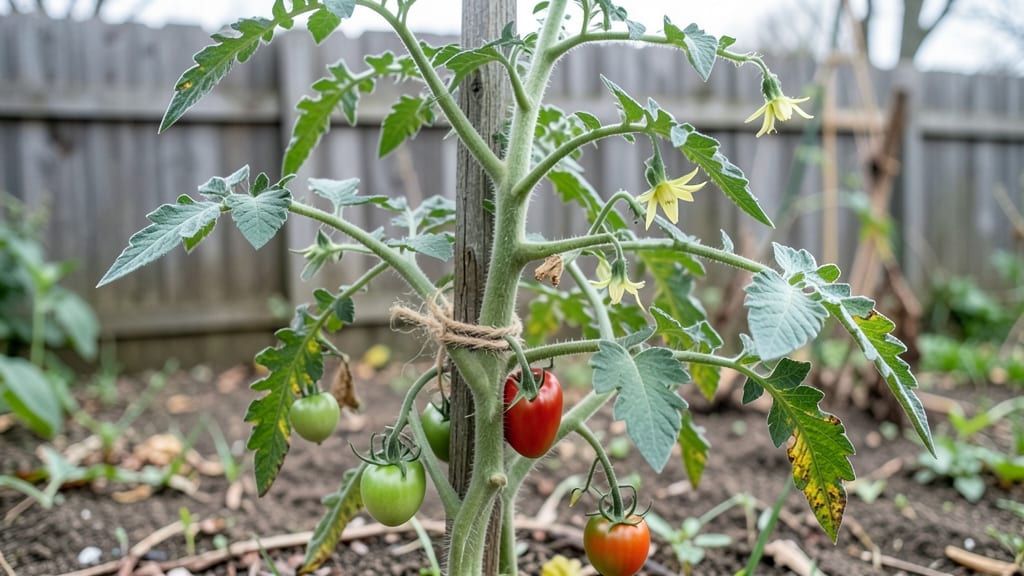
Leggy tomato plants are the fast-track to floppy vines and tiny fruit—unless you know the three fixes that turn weak stems into sturdy powerhouses. 🌱 I’ve seen plants go from wobbly messes to producing bushels of tomatoes just by adjusting a few key things, and I’ll show you exactly how it works.
The problem usually starts with too little sunlight, overcrowded roots, or plants stretching for support. Most gardeners focus on one fix—like adding more light—but the real solution combines sunlight, spacing, and proper staking.
My first year, I lost half my harvest because I ignored the spacing chart, and now I won’t make that mistake again.
You’ll end up with plants that stand tall, produce heavy fruit, and resist common diseases. The difference is in the details: pruning at the right spots, giving roots room to breathe, and using stakes or cages early. Within weeks, you’ll see thicker stems and bigger blossoms—no more sad, spindly vines.
Works for both backyard gardens and container growers, and the same rules apply whether you’re dealing with heirlooms or cherry tomatoes. Let’s get those plants standing strong again.
Root Causes Of Tall, Weak Growth
Leggy tomato plants aren’t just a cosmetic issue—they’re a cry for help from your plants! When stems stretch tall and spindly, it’s usually a sign of environmental or cultural stress. Understanding the why behind this growth habit is the first step to fixing it.
Below, we break down the most common culprits, backed by science, so you can take targeted action.
Tomatoes are heliophiles—they crave sunlight. When they don’t get enough, they stretch toward the nearest light source in a desperate bid for energy, a phenomenon called etiolation. This weakens cell walls, making stems thin and prone to snapping.
- How it happens: Plants grown indoors, in shaded spots, or under artificial lights (especially low-wattage bulbs) stretch excessively to maximize photosynthesis.
- Science behind it: Low light reduces chlorophyll production, forcing the plant to prioritize stem elongation over leaf and fruit development. The result? Long, pale stems with few leaves.
- Actionable fix:
- Move plants to a sunny spot (6–8+ hours of direct sunlight daily). South-facing windows or greenhouses are ideal.
- Use grow lights (full-spectrum LEDs) for 12–16 hours/day if natural light is limited.
- Rotate pots weekly to ensure even light exposure.
Tomatoes thrive in moderate temperatures (70–85°F during the day, 55–65°F at night). When it’s too hot or cold, their growth patterns go haywire, leading to leggy, weak stems.
- How it happens:
- Excessive heat: Above 90°F slows photosynthesis, causing plants to stretch rapidly to escape heat stress.
- Cold nights: Below 50°F disrupts nutrient uptake, leading to weak, elongated stems.
- Science behind it: Heat stress triggers the production of ethylene gas, a plant hormone that promotes stem elongation. Meanwhile, cold temperatures reduce enzyme activity, stunting root and leaf growth.
- Actionable fix:
- Provide afternoon shade in hot climates (use shade cloth or row covers).
- Use mulch to regulate soil temperature and retain moisture.
- For indoor growers, avoid placing plants near heat sources (e.g., radiators, vents).
Tomatoes need space to breathe. When plants are too close together or airflow is restricted, they compete for resources, leading to weak, leggy growth. Poor airflow also invites fungal diseases, further stressing the plant.
- How it happens:
- Plants grown too densely in containers or garden beds stretch upward to access light and air.
- Stagnant air reduces transpiration (water evaporation), causing stems to elongate.
- Science behind it: Crowding increases ethylene accumulation, a hormone that triggers stem elongation. Poor airflow also leads to humidity buildup, which can cause powdery mildew or blight, weakening the plant further.
- Actionable fix:
- Space plants 18–24 inches apart in gardens or 1–2 plants per 5-gallon container.
- Prune lower leaves to improve air circulation (remove leaves touching the soil).
- Use oscillating fans (gentle breeze) to simulate wind and strengthen stems.
Watering woes are a top cause of leggy tomato plants. Too much or too little water throws off nutrient uptake and root development, leading to weak stems.
- How it happens:
- Overwatering: Soggy soil deprives roots of oxygen, forcing the plant to grow taller to access light and air.
- Underwatering: Drought stress triggers rapid stem elongation as the plant seeks moisture.
- Inconsistent watering: Fluctuating moisture levels confuse the plant, leading to erratic growth.
- Science behind it: Waterlogged soil causes anaerobic conditions, reducing nutrient absorption. Meanwhile, drought stress increases abscisic acid, a hormone that promotes stem elongation to prioritize survival over fruit production.
- Actionable fix:
- Water deeply but infrequently (1–1.5 inches per week, adjusting for climate).
- Use well-draining soil (mix in perlite or compost) to prevent waterlogging.
- Check moisture with your finger—water when the top 1–2 inches of soil are dry.
Fertilizer mistakes can turn your tomatoes into leafy monsters instead of fruit producers. Too much nitrogen (the first number in NPK) promotes foliage growth at the expense of stems and fruit, leading to weak, leggy plants.
- How it happens: Excess nitrogen encourages rapid leaf and stem growth but delays flowering and fruiting. The plant focuses on vertical expansion rather than structural strength.
- Science behind it: Nitrogen is a key component of chlorophyll, but an overabundance shifts the plant’s energy toward leaf production. This creates a source-sink imbalance, where the plant prioritizes growth over fruit development.
- Actionable fix:
- Switch to a balanced fertilizer (e.g., 5-10-10 or 3-4-6) once flowering begins.
- Avoid high-nitrogen fertilizers (like lawn fertilizers) on tomato plants.
- Add compost or worm castings for slow-release nutrients without the nitrogen spike.
Pro Tip: 💡 Leggy growth is often a combination of these factors. For example, a plant in low light and overwatered soil will stretch even more. Audit your setup to address all potential issues!
Quick Fixes for Tall, Weak Tomato Stems
Leggy tomato plants can feel like a losing battle—until you know the right moves. The good news? Most fixes are simple, fast, and require minimal tools.
Below, we break down cause-specific solutions to strengthen stems, boost growth, and prevent future floppiness. Think of this as your tomato plant’s emergency repair kit!
Problem: Too little sunlight stretches stems thin, weakening them and reducing fruit production.
How to Fix It: ✅ 🔥 Move Plants to Full Sun
- Immediate fix: Relocate leggy plants to a south-facing window (indoors) or a sunniest spot in your garden (6+ hours of direct light daily).
- Outdoor tip: If space is tight, use a reflective surface (like a white wall or aluminum foil) to bounce extra light onto plants.
✅ 🍳 Supplement with Grow Lights
- For indoor gardens: Use a full-spectrum LED grow light 12–16 inches above plants for 14–16 hours/day.
- Budget hack: A cheap LED bulb (6000K–6500K color temp) on a timer works in a pinch.
✅ 🌡️ Thin Out Crowded Foliage
- Prune lower leaves (up to 12 inches from the ground) to improve airflow and light penetration.
- Pro tip: Snip leaves with clean scissors (not your fingers!) to avoid disease.
Prevention: 💡 Start seeds early (4–6 weeks before last frost) but don’t overcrowd—space seedlings 18–24 inches apart. 🎯 Use self-watering pots to avoid leggy seedlings reaching for light in dim conditions.
Problem: Too much nitrogen (common in balanced fertilizers) fuels leafy growth at the expense of sturdy stems.
How to Fix It: ✅ 👨🍳 Switch to a Low-Nitrogen Fertilizer
- Immediate fix: Flush soil with water to leach excess nitrogen, then switch to a 5-10-10 or 3-4-6 fertilizer (higher phosphorus/potassium ratio).
- DIY boost: Mix 1 tbsp bone meal + 1 tbsp kelp meal per plant for a phosphorus kick (strengthens roots and fruit).
✅ ⏰ Adjust Watering for Better Uptake
- Deep water 1–2 times/week (instead of daily shallow watering) to encourage root growth over top-heavy foliage.
- Avoid wet leaves (water at the base) to prevent fungal issues like blight.
Prevention: 🔥 Follow the label: Half-strength fertilizer is often enough for tomatoes—more isn’t better! ✨ Side-dress with compost (not synthetic fertilizer) for slow-release nutrients.
Problem: Extreme heat or wind causes stems to elongate rapidly (etiolation) or bend unnaturally, leading to breakage.
How to Fix It: ✅ 🔪 Provide Physical Support Immediately
- For floppy stems: Insert a stake or cage gently to avoid snapping stems. Use soft ties (old T-shirt strips or plant clips) to secure.
- For wind-prone areas: Build a low trellis (bamboo stakes + twine) to distribute weight.
✅ 🌡️ Shield from Scorching Sun
- Shade cloth (30–50%) during peak afternoon heat (12–4 PM) can prevent sunscald on stems.
- Mulch heavily (2–3 inches of straw or grass clippings) to keep roots cool.
Prevention: 💡 Choose heat-tolerant varieties like ‘Solar Fire’ or ‘Heatmaster’ for hot climates. 🎯 Water deeply in the morning to reduce heat stress (evaporation cools leaves).
| Problem | Quick Fix | Prevention |
|---|---|---|
| Stems too weak to stake | Weave in a tomato cage diagonally for extra support. | Start with dwarf varieties if space is limited. |
| Leaves yellowing | Test soil pH (aim for 6.0–6.8); amend with lime if too acidic. | Rotate crops to avoid nutrient depletion. |
| Fruit splitting | Prune lower leaves to reduce water stress. | Mulch heavily to stabilize soil moisture. |
Final Tip: Leggy plants aren’t a death sentence—they’re just asking for help. Combine light adjustments, smart fertilizing, and support systems, and you’ll see thicker stems and heavier harvests in weeks. Now grab those shears and get pruning! 🌱✂️
Frequently asked questions
Why do my tomato plants grow tall and weak instead of bushy?
Leggy tomato growth happens when plants stretch toward light due to insufficient sunlight, overcrowding, or too much nitrogen fertilizer. This "etiolation" weakens stems as they prioritize height over strength. The fix? Move plants to full sun (6+ hours daily) and switch to a balanced fertilizer (like 5-10-10) to encourage sturdy growth.
Can I still save leggy tomato plants, or should I start over?
You can absolutely save them! Prune lower leaves to improve airflow, add support (stakes or cages), and adjust care immediately. For indoor plants, supplement with grow lights. With proper support and light, leggy plants often recover within 2-3 weeks and produce fruit.
What's the best way to support weak tomato stems without damaging them?
Use soft ties made from old T-shirts or plant clips to gently secure stems to stakes or cages. Avoid tight binding—leave room for growth. For extra support, weave tomato cages diagonally or build a low trellis with bamboo stakes. Start supporting early to prevent breakage as plants grow heavier with fruit.
Will pruning leggy tomato plants help them produce more fruit?
Yes! Pruning removes crowded foliage that competes for sunlight and nutrients, redirecting energy to fruit production. Focus on removing lower leaves (up to 12 inches from the ground) and any suckers growing between the main stem and branches. This improves airflow, reduces disease risk, and encourages stronger stem growth.
How do I prevent leggy growth in future tomato plants?
Start with proper spacing (18-24 inches apart), use containers with at least 5 gallons of soil, and provide full sun from day one. For indoor growing, use full-spectrum grow lights 12-16 hours daily. Avoid high-nitrogen fertilizers after seedlings sprout—switch to phosphorus-rich options once flowering begins.