Propagation
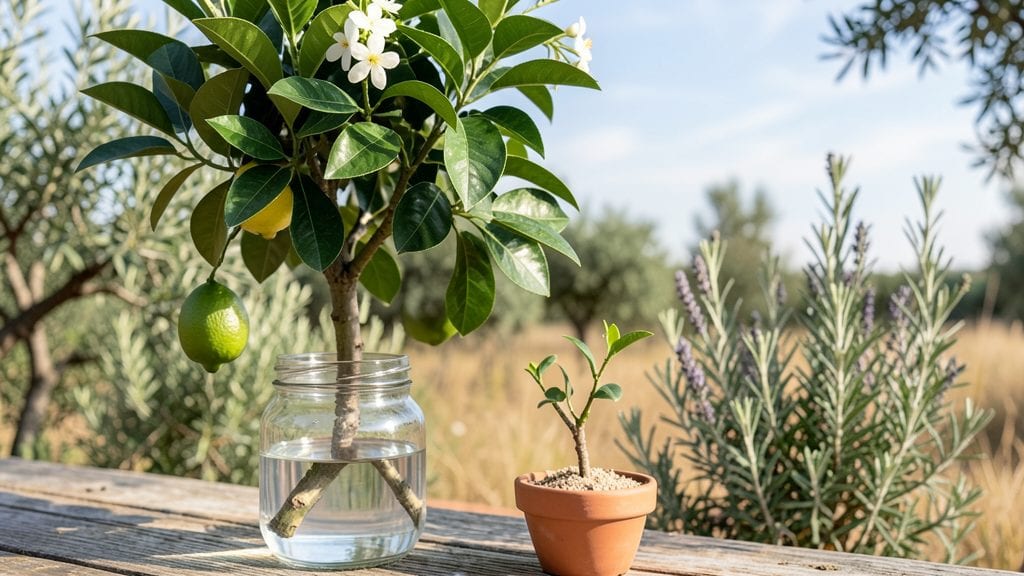
Mastering lemon plant propagation turns cuttings into thriving trees—like magic, until you’ve done it yourself. 🌱 I’ve rooted my own Meyer lemon tree this way, and within 2-4 weeks, you’ll have fresh new plants. ready to grow into full-sized trees.
The best part? No fancy equipment or years of waiting—just a sharp knife, a little patience, and the right timing.
You’ll need healthy stem cuttings (about 4-6 inches long) from a mature lemon tree, some rooting hormone powder, and a container filled with a mix of perlite and peat moss. The key is keeping the cuttings moist but not soggy—root rot is the silent killer of propagation projects.
Once you’ve got your setup ready, the actual process takes less than 30 minutes, and the hardest part is waiting for those first roots to form.
By the time you’re pinching off new leaves and seeing roots peek through the container, you’ll be hooked on propagation. These new plants will eventually bear fruit, and you’ll have the satisfaction of knowing you grew them from a simple cutting.
The citrusy scent alone makes it worth every step—plus, you can share these plants with friends or expand your own grove.
This method works year-round in warm climates, but if you’re in a cooler zone, aim for spring or early summer when the plant is actively growing. The same principles apply whether you’re propagating Meyer lemons, Eureka lemons, or even other citrus varieties. Let’s get those cuttings rooted!
📚 In This Guide
- What you need
- Instructions
- Tips and common mistakes
- Wrapping up and next steps
What you need
- ● Healthy lemon plant: Choose a mature plant with vigorous, disease-free stems (for cuttings) or ripe fruit (for seeds).
- ● Sharp pruning shears or knife: Sterilized to avoid contamination (rubbing alcohol works!).
- ○ Rooting hormone (optional but recommended): A gel or powder (e.g., Clonex or Rootone) to boost success rates.
- ● Well-draining potting mix: A blend of perlite, vermiculite, or coconut coir (50% potting soil + 50% perlite is ideal).
- ● Small pots or trays: 4–6 inches in diameter with drainage holes (or a seed tray for multiple cuttings).
- ● Clear plastic bag or propagator: To create a humid environment (e.g., a ziplock bag with holes punched in it).
- ● Spray bottle: For misting cuttings (aim for fine mist, not soaking).
- ● Watering can or cup: With a narrow spout for precision watering.
- ● Warmth: Ideal 70–85°F (21–29°C) for rooting (use a heat mat if needed).
- ● Humidity: 70–80% (mist daily or use a humidifier).
- ● Indirect light: Bright but no direct sun (a north-facing window or grow light works).
- ● Patience: Roots may take 2–4 weeks to form—stay consistent!
Step-by-Step instructions for propagating lemon plants
Here's how to turn healthy cuttings into thriving lemon trees in just weeks.
🌱 Step 1: Select and Prepare Healthy Cuttings
Choose 4-inch long cuttings from healthy, disease-free branches. Look for new growth—semi-hardwood stems that are slightly flexible but not too soft. Use clean, sharp pruning shears to make a 45-degree angle cut just below a leaf node. This angled cut increases surface area for root development.
Remove all leaves from the lower half of the cutting, leaving only a few at the top. This reduces moisture loss while roots establish. Place the cuttings in a glass of room-temperature water immediately after trimming. The stems should float upright—if they sink, trim another ½ inch from the base to remove air pockets.
💧 Step 2: Root in Water with Proper Light
Place your cuttings in indirect bright light—a sunny windowsill works well, but avoid direct midday sun that can overheat the water. Change the water every 3-4 days to prevent bacterial growth. Roots should appear in 2-4 weeks, starting as tiny white hairs at the base before growing into thicker roots.
Here's the thing—don't rush to transplant once roots form. Wait until they reach 1-2 inches long for best survival. You'll see new leaf growth at the top as roots develop, signaling the plant is thriving. If the water gets cloudy between changes, add a drop of hydrogen peroxide to keep it fresh.
🪴 Step 3: Transition to Soil Gradually
Once roots are established, prepare 4-inch pots with well-draining potting mix. I like to dip the roots in a rooting hormone powder first—it boosts success rates significantly. Plant each cutting at the same depth it grew in water, firming soil gently around the base to eliminate air pockets.
Water lightly after planting, then place the pots in bright, indirect light for 1 week to acclimate. This gradual transition prevents transplant shock. You'll notice new growth within 2-3 weeks as the plant adjusts. Avoid fertilizing during this period—new roots need time to establish before taking up nutrients.
☀️ Step 4: Acclimate to Full Sun and Care
After 2 weeks in soil, gradually introduce the new plants to morning sun first, then slowly increase exposure to full sun over 10-14 days. Lemon plants love sun but need time to adjust. You'll see leaves darken slightly as they toughen up—this is normal and indicates healthy adaptation.
Water when the top inch of soil feels dry, but avoid soggy conditions. Lemon plants prefer slightly dry soil between waterings. Once established, fertilize monthly with a balanced citrus fertilizer during spring and summer. Your new plants will reward you with flowers and eventually fruit in 2-3 years with proper care.
Tips & tricks for perfect lemon plant propagation
These simple tricks will help you turn those lemon cuttings into thriving plants with minimal fuss.
Selection Tip: In Step 1, when choosing your 4-inch cuttings, look for stems that are about as thick as a pencil. Thicker stems can take longer to root, while thinner ones may not have enough energy reserves. The best cuttings come from the current season's growth—these semi-hardwood stems are perfect for propagation. Confession: I skipped this step for years and wondered why some cuttings never rooted!
Rooting Secret: During Step 2, if you notice tiny white bumps forming along the submerged portion of your cutting after about 2 weeks, that's your first sign of root development! These bumps will grow into roots within another week. Here's what nobody tells you—roots need oxygen, so don't submerge more than 2-3 inches of the stem. You'll see faster root growth if you keep just the lower third underwater.
Transition Strategy: When moving your rooted cuttings to soil in Step 3, I've found that adding a handful of perlite to your potting mix makes all the difference. This improves drainage and prevents root rot, which is especially important during that critical 1-week acclimation period. Don't skip this—it's what keeps your new plants from developing soggy roots that can't thrive.
Sunlight Hack: For Step 4's sun acclimation, start with morning sun only for the first 3-4 days. Lemon plants are sensitive to afternoon sun's intensity, which can scorch tender new leaves. I've seen beginners rush this step and end up with brown leaf tips—don't make my mistake! Gradually increase exposure over those 10-14 days, and you'll get plants that look like they've been growing there forever.
Pro Tips for Lemon Plant Propagation
- These simple tricks will help you turn those lemon cuttings into thriving plants with minimal fuss.
- Selection Tip: In Step 1, when choosing your 4-inch cuttings, look for stems that are about as thick as a pencil.
- Rooting Secret: During Step 2, if you notice tiny white bumps forming along the submerged portion of your cutting after about 2 weeks, that's your first sign of root development!
Frequently asked questions
Got questions about propagating your lemon plant? You’re not alone! Here are some of the most common concerns—and straightforward answers—to help you root new growth with confidence.
Can I propagate a lemon plant from a store-bought lemon?
Yes, but with a few caveats! Store-bought lemons are often treated with fungicides or grown from grafted trees, which can reduce success rates. For best results, use seeds from an organic, homegrown lemon or propagate from cuttings from a healthy, disease-free plant.
How long does it take for lemon plant cuttings to root?
With the right conditions (warmth, humidity, and a rooting hormone), you can see roots form in 2–4 weeks. Patience is key—keep the soil moist but not soggy, and avoid moving the cutting until roots establish. A clear jar or propagator helps track progress!
What’s the best time of year to propagate a lemon plant?
The ideal window is spring or early summer, when the plant is actively growing. Avoid winter propagation, as the plant’s dormancy slows root development. If you must propagate in fall, use a heat mat to encourage faster rooting.
Why are my lemon plant cuttings rotting instead of rooting?
Overwatering or poor drainage is usually the culprit. Let the soil dry slightly between waterings, and ensure your container has drainage holes. If rot starts, trim the affected area, treat with fungicide, and replant in fresh, sterile soil. Pro tip: Use a mix of perlite and peat moss for better airflow.
Can I propagate a lemon plant from a branch without leaves?
Not ideal, but possible with adjustments! A small leafless cutting (2–3 inches) can root if you use a rooting hormone and maintain high humidity. However, leaves help the cutting photosynthesize, so opt for cuttings with 2–3 leaves for faster success. If you must use a bare branch, keep it in bright, indirect light.
Will a propagated lemon plant grow fruit?
Yes, but it may take 3–5 years for a propagated lemon tree to bear fruit, depending on the variety and growing conditions. Seed-grown trees (from pits) can take longer to fruit than grafted or cutting-propagated plants. Be patient—consistent care pays off!
Wrapping up and next steps
Propagating a lemon plant from cuttings is a rewarding and simple process—perfect for green thumbs of all levels! 🌱 With just a few tools, patience, and the right conditions, you can grow a thriving new plant in as little as 2-4 weeks.
Whether you’re expanding your garden or sharing the joy of gardening, this method opens doors to endless possibilities.
Now that you’re armed with the knowledge, take the first step—snip a healthy cutting and start your propagation journey today! Your future lemon tree (and future lemons!) will thank you. 🍋✨