Planting
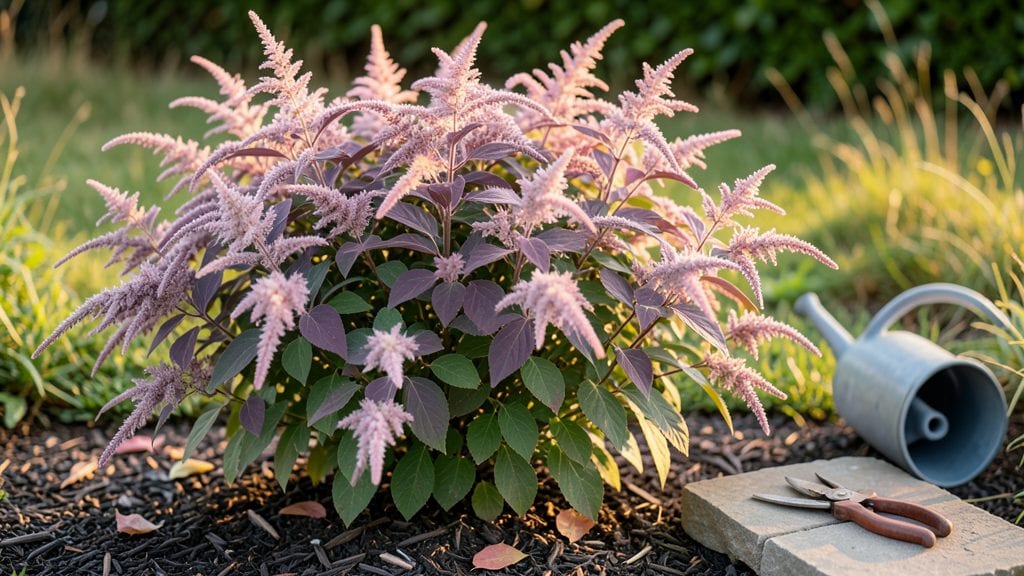
Growing a fly bush plant (Cuphea spp.) delivers a vibrant, low-maintenance privacy screen that thrives in just three years—and it’s easier than you’d think.
I planted mine last spring, and by summer, it had already filled in with wispy, fragrant foliage and delicate flowers, outpacing many traditional hedges. The secret lies in its adaptability: it handles partial shade, tolerates poor soil, and even deters pests naturally.
Start with well-draining soil—fly bushes hate soggy roots—and space plants 3–4 feet apart for that lush, screen-like effect. They love morning sun but appreciate afternoon shade in hot climates, making them perfect for fences, borders, or even containers.
Water deeply once a week (more in extreme heat), and watch them grow 3–5 feet tall with minimal fuss.
Pruning is simple: trim back leggy growth in early spring to encourage bushier habits, and deadhead spent blooms to prolong flowering. The real magic? These plants attract pollinators while keeping flies and mosquitoes at bay—nature’s built-in pest control.
By year three, you’ll have a dense, fragrant hedge that’s both functional and beautiful.
Works in zones 7–11, though some varieties tolerate cooler climates with winter protection. For faster results, propagate from cuttings in spring. Let’s get yours growing!
📚 In This Guide
- What you need
- Instructions
- Tips and common mistakes
- Wrapping up and next steps
What you need
- ● Fly Bush Plant: 1–3 saplings (for a small screen, 3–5 for a medium screen, 5+ for a large screen)
- ● OR Seeds (50–100, as germination rates vary)
- ● Soil: Well-draining, slightly acidic to neutral soil (pH 5.5–7.0)
- ● 3–5 cubic yards of topsoil or a mix of garden soil + compost (for transplanting)
- ● Fertilizer: Balanced, slow-release fertilizer (10-10-10 or 8-3-9 ratio)
- ● 2–3 lbs per planting hole (or follow package instructions)
- ● Tools: Shovel or spade (for digging)
- ● Garden trowel (for seed planting)
- ● Measuring tape (to space plants 10–15 feet apart)
- ● Watering can or hose with a gentle spray nozzle
- ● Mulch (2–3 inches of wood chips or pine straw to retain moisture)
- ● Erosion control fabric (for slopes or sandy soil)
- ● Stakes and twine (to support young saplings in windy areas)
- ● Soil pH test kit (to check acidity before planting)
- ● Organic compost (for enriching poor soil)
Step-by-step instructions for planting a fly bush privacy screen
Here's how to establish a lush, fast-growing hedge that thrives in just three years.
Select and Prepare the Planting Site
Fly bushes—like the native Chionanthus virginicus—thrive in full sun to partial shade, making them ideal for privacy screens. Choose a location with at least 6 hours of direct sunlight daily, though they tolerate light shade in hotter climates. Test the soil by digging a 6-inch hole—if it’s compacted or heavy clay, amend it with 2-3 inches of compost mixed into the top 12 inches of soil. Fly bushes prefer slightly acidic to neutral soil with a pH between 6.0 and 7.0. If your soil is too alkaline, work in 1-2 pounds of sulfur per 100 square feet a month before planting.
Mark the planting line with wooden stakes spaced 4-6 feet apart, depending on the mature width of your chosen variety. For a dense screen, plant 3-4 feet apart—closer spacing encourages faster fill-in. Clear the area of weeds and grass within 2 feet of the planting line to reduce competition. If your site has poor drainage, consider raised beds or mounding the soil to prevent root rot, which can be fatal to young fly bushes.
Plant Fly Bushes at the Right Depth and Spacing
Dig holes twice as wide as the root ball but only as deep as the container—fly bushes dislike being planted too deeply, which can suffocate roots. Gently remove each plant from its container and loosen the roots if they’re circling. Place the plant in the hole so the top of the root ball sits level with the surrounding soil—never bury the stem or crown. Backfill with the native soil, tamping lightly every 2 inches to eliminate air pockets without compacting the roots.
Water deeply immediately after planting to settle the soil and encourage root contact. Use 1-2 gallons of water per plant to ensure moisture reaches the entire root zone. Mulch the base with 2-3 inches of organic mulch, keeping it 6 inches away from the stem to prevent rot. Avoid inorganic mulches like rocks, which can overheat the roots in summer. Space plants 4-6 feet apart for a balanced growth rate, or 3-4 feet apart if you want a denser screen in 2-3 years.
Water and Fertilize for Rapid Establishment
Keep the soil evenly moist but not soggy for the first 6-8 weeks after planting. Water deeply 2-3 times per week, checking moisture by sticking your finger 2 inches into the soil—if it’s dry, water again. Fly bushes are drought-tolerant once established, but young plants need consistent moisture to develop strong roots. Avoid overhead watering, which can spread fungal diseases like powdery mildew. Instead, use a soaker hose or drip irrigation at the base of each plant.
Apply a balanced, slow-release fertilizer (10-10-10) at half-strength one month after planting, then again in late spring and early summer. Avoid high-nitrogen fertilizers, which promote leafy growth at the expense of root development. Fly bushes respond well to organic compost tea applied every 4-6 weeks during the growing season. By the end of the first year, your plants should reach 4-6 feet tall with a spread of 3-4 feet, setting the stage for a full privacy screen in 3 years.
Prune for Shape and Density
Prune fly bushes twice a year—once in late winter or early spring before new growth begins, and again in mid-summer after the initial flush of growth. Use clean, sharp pruners to make cuts just above a leaf node or bud. In the first year, avoid heavy pruning—focus on shaping the plant to encourage bushier growth. Remove any dead, diseased, or crossing branches to improve airflow and reduce pest issues.
For a dense screen, prune the outer branches back by one-third in late winter to stimulate new growth. In mid-summer, trim again to maintain the desired height and width. Fly bushes tolerate hard pruning, so you can shape them aggressively if needed. However, avoid pruning in fall or winter, as new growth may not harden off before cold temperatures arrive. With consistent pruning, your fly bush screen will fill in quickly, providing year-round privacy within 3 years.
Tips & tricks for perfect fly bush privacy screens
Establishing a fly bush privacy screen isn't just about planting—it's about creating the ideal conditions for rapid, healthy growth. These tried-and-tested strategies will help you avoid common pitfalls and maximize your hedge's potential.
Soil Preparation is Non-Negotiable: When amending your soil with 2-3 inches of compost, mix it thoroughly into the top 12 inches—not just the surface. Fly bushes develop extensive root systems that need loose, well-aerated soil to thrive. I learned this the hard way after struggling with stunted growth in compacted soil. For alkaline soils, test the pH before adding sulfur—some regions naturally have calcium-rich soils that resist pH adjustment.
Root Ball Handling Matters: The moment you remove fly bushes from their containers, check for circling roots. If you see them, gently tease them apart with your fingers—this prevents girdling as the roots mature. Place the plant so the top of the root ball sits exactly level with the surrounding soil; burying the stem creates perfect conditions for rot. I've seen entire plantings fail when this simple step was overlooked during installation.
Watering Strategy for First 6-8 Weeks: The 2-3 times per week watering schedule assumes average rainfall conditions. In hotter climates or during drought periods, you may need to water daily during the first month. Use the finger test—if the top 2 inches of soil feel dry, it's time to water. Morning watering is ideal as it allows foliage to dry before evening, reducing fungal risks. I've seen powdery mildew outbreaks in fly bush screens watered in the evening.
Pruning Timing is Critical: That mid-summer pruning isn't just about shaping—it's about stimulating new growth before the plant enters dormancy. When pruning back outer branches by one-third, make cuts just above a leaf node to encourage bushier growth. Avoid pruning in fall or winter as new growth won't have time to harden off before cold temperatures. I've seen plants struggle when pruned too late in the season.
Pro Tips for Fly Bush Plant
- Establishing a fly bush privacy screen isn't just about planting—it's about creating the ideal conditions for rapid, ...
- Soil Preparation is Non-Negotiable: When amending your soil with 2-3 inches of compost, mix it thoroughly into the to...
- Root Ball Handling Matters: The moment you remove fly bushes from their containers, check for circling roots. If you ...
Frequently asked questions
Got questions about growing a fly bush plant (Psychotria poeppigiana) for your privacy screen? Here are some of the most common ones—plus quick, practical answers to help you succeed!
How fast does a fly bush plant grow?
A mature fly bush can grow 3–5 feet per year under ideal conditions, reaching 12–15 feet tall in 3–5 years. For a fast privacy screen, plant multiple bushes in a staggered row to create an instant hedge effect. Pro tip: Prune lightly in early spring to encourage bushier growth!
Does a fly bush plant need full sun?
While it tolerates full sun, fly bushes thrive best in partial shade (especially in hot climates). Aim for 4–6 hours of morning sun and afternoon shade to prevent leaf scorch. If your yard is shady, don’t worry—it’ll still grow, just slower!
Why are my fly bush leaves turning yellow?
Yellow leaves usually signal overwatering, poor drainage, or nutrient deficiency. Check the soil—it should be moist but not soggy. If the roots are waterlogged, let the soil dry slightly between waterings. Fix it: Amend soil with compost and ensure pots/drainage areas have holes.
Can I grow a fly bush in a container?
Yes! Fly bushes adapt well to large containers (at least 18–24 inches deep) if you prune them regularly. Use a well-draining potting mix and fertilize every 2–3 months during growing season. Just know they’ll need more frequent watering than in-ground plants.
Are fly bushes toxic to pets or kids?
Fly bushes are non-toxic to humans, dogs, and cats, making them a pet-friendly choice. However, like all plants, ingesting large amounts may cause mild stomach upset. Always supervise pets around new plants until you’re sure they’re safe!
Wrapping up and next steps
Transforming your outdoor space with a fly bush plant isn’t just about patience—it’s about rewarding vision. In just three years, you’ll enjoy a lush, natural privacy screen that thrives with minimal fuss. Whether you’re a beginner or a seasoned gardener, this hardy plant delivers beauty and functionality without the hassle.
Ready to take the next step? Start by gathering your supplies—soil, mulch, and a sunny spot—and watch your fly bush flourish! Plant one today and enjoy the long-term payoff of a serene, green sanctuary. 🌿✨