
Container Gardens
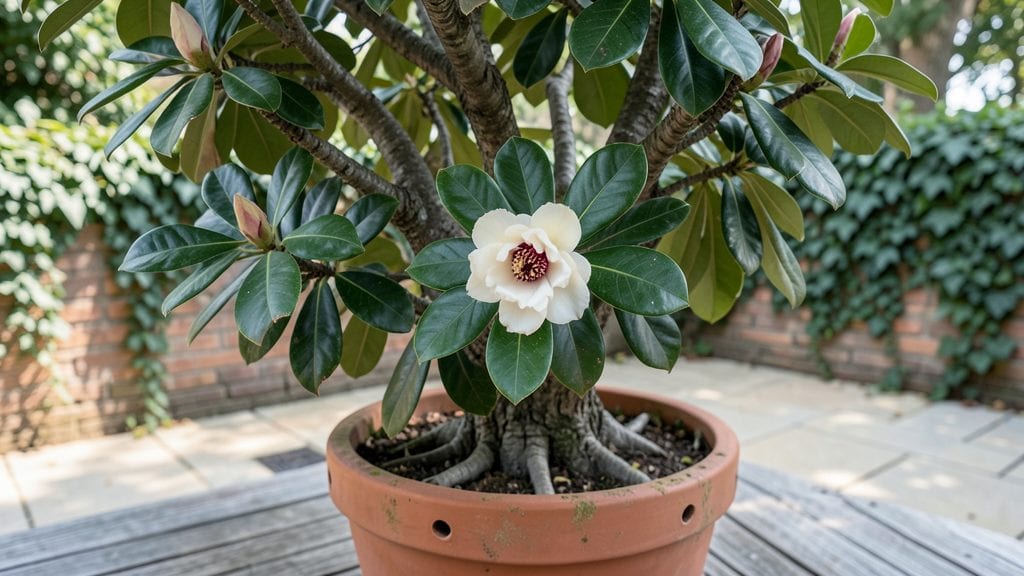
Growing a magnolia potted plant that thrives year-round starts with the right dwarf variety—like 'Little Gem' or 'Black Tulip'—because their compact size makes them perfect for containers. 🌿 I’ve watched these trees transform from bare branches to lush canopies in just a few seasons, and the secret lies in mimicking their natural woodland habitat in pots.
The soil mix is critical: equal parts peat moss, pine bark fines, and perlite ensures drainage while holding moisture. Use a container with drainage holes at least 18 inches wide and deep, and repot every 2-3 years to prevent root-bound stress.
Overwatering is the fastest way to kill a potted magnolia—let the top 2 inches of soil dry before watering again.
Place your container where it gets morning sun and afternoon shade, especially in hot climates, to prevent leaf scorch. Fertilize lightly in spring with a balanced 10-10-10 formula, and prune only to shape—never cut back more than 25% of the foliage at once.
With these basics, your magnolia will reward you with glossy leaves and fragrant blooms for decades.
For winter care, move containers to a sheltered spot or wrap them in burlap to protect from freezing winds. Watch for spider mites on dry leaves and aphids on new growth—spray with neem oil if you spot them early.
The payoff? A tree that stays vibrant, blooms reliably, and becomes the centerpiece of your patio or garden.
📚 In This Guide
- What you need
- Instructions
- Tips and common mistakes
- Wrapping up and next steps
What you need
- ● Magnolia Plant: Choose a dwarf or semi-dwarf variety (e.g., Magnolia stellata or Magnolia grandiflora) for containers. Ensure it’s healthy with no yellowing leaves or pests.
- ● Container: A 5-gallon or larger pot (18"+ diameter) with drainage holes. Opt for terracotta, ceramic, or high-quality plastic to balance aesthetics and function.
- ● High-Quality Potting Mix: A well-draining, acidic mix (pH 5.0–6.5). Use a blend of peat moss, perlite, and pine bark (e.g., Miracle-Gro Azalea, Camellia & Rhododendron Mix).
- ● Drainage Layer: 2–3 inches of gravel or ceramic shards to prevent root rot.
- ● Slow-Release Fertilizer: A balanced, acidic fertilizer (e.g., Osmocote Smart-Release Plant Food, 14-14-14 ratio).
- ● Gloves (gardening or nitrile) – Protect your hands from thorns and soil.
- ● Trowel or Spade – For planting and mixing soil.
- ● Watering Can or Hose with Gentle Spray Nozzle – Magnolias hate soggy roots!
- ○ Mulch (Optional but Recommended): 2–3 inches of pine bark or wood chips to retain moisture and regulate temperature.
- ○ Pruning Shears (Optional): For shaping or removing dead branches after flowering.
- ● Sunlight Check: Confirm your space gets partial shade (4–6 hours of dappled sun) or morning sun—critical for container magnolias!
Step-by-Step instructions for cultivating magnolias in containers
Magnolias thrive in pots with the right care—here’s how to keep them lush and blooming for seasons.
🪴 Step 1: Select the Right Container and Drainage
Choose a fiberglass or glazed ceramic pot at least 18 inches wide and deep—magnolias need room for their extensive root systems. I always add 3-4 drainage holes at the bottom to prevent soggy roots, which can rot over time. If your pot lacks holes, drill them yourself using a ½-inch masonry bit. Line the bottom with 2 inches of gravel or expanded clay pebbles to create an air gap that improves drainage.
Magnolias hate wet feet, so this layer is non-negotiable. If you’re using a decorative outer pot without drainage, place the functional inner pot on a caching saucer to catch excess water. The outer pot should be 2-3 inches larger than the inner one to allow easy access for watering and maintenance.
🌱 Step 2: Prepare the Soil Mix for Optimal Growth
Fill the pot with a well-draining, acidic soil mix—magnolias prefer a pH between 5.0 and 6.5. I blend 2 parts peat moss or coconut coir, 1 part perlite, and 1 part pine bark fines to create a loose, airy medium. Avoid garden soil; it compacts and suffocates roots. Add ½ cup of slow-release fertilizer (like osmocote) to the mix to provide steady nutrients without burning the plant.
Moisten the soil mix until it’s evenly damp but not soggy—think of a wrung-out sponge. Press it lightly into the pot to eliminate air pockets, then tap the sides gently to settle it. The surface should feel firm enough to support the plant’s weight but still allow roots to penetrate easily. If the soil feels too dry after planting, water it again to encourage root establishment.
☀️ Step 3: Plant the Magnolia with Proper Spacing and Support
Remove the magnolia from its nursery pot and loosen the roots gently if they’re circling. Plant it so the root flare (where the roots meet the trunk) sits just above the soil line—burying it too deep can cause rot. Place the plant centered in the pot and fill the remaining space with the prepared soil mix, pressing lightly as you go. Leave a 2-inch gap between the soil surface and the pot’s rim for watering.
Magnolias grow tall and top-heavy, so stake young plants immediately. Use two 3-foot bamboo stakes inserted into the soil on opposite sides of the pot, then secure the trunk with soft garden ties. This prevents wind from snapping the stem, especially in containers where roots can’t anchor as deeply as in the ground. Water deeply after planting to help the soil settle around the roots.
💧 Step 4: Water and Fertilize for Year-Round Health
Water the magnolia deeply once a week, allowing 1-2 inches of water to penetrate the soil. Check moisture by sticking your finger 2 inches into the soil—if it feels dry, water again. In summer, you may need to water every 4-5 days, but avoid letting the plant sit in soggy soil. Overwatering is the fastest way to kill a potted magnolia, so always let the top ½ inch of soil dry out between waterings.
Feed the plant every 6-8 weeks during the growing season (spring through fall) with an acid-loving plant fertilizer, like one formulated for azaleas or camellias. In winter, reduce fertilizing to once every 2 months—magnolias rest during cooler months. I also add a thin layer of pine needles or oak leaves to the soil surface in fall to mimic their natural forest floor habitat and slowly release acidity.
✂️ Step 5: Prune and Protect for Long-Term Vitality
Prune magnolias immediately after flowering to shape the plant and encourage new growth. Remove dead, crossing, or weak branches at the base of the branch collar (the swollen area where the branch meets the trunk). Never cut into the collar—this can introduce disease. For container-grown magnolias, I also trim back any leggy growth by ⅓ of its length to maintain a compact form and prevent the pot from tipping over.
Protect your potted magnolia from late spring frosts and winter winds by moving it to a sheltered location when temperatures drop below 25°F. Wrap the pot in burlap or frost cloth for extra insulation, and avoid placing it near heat sources like vents or fireplaces, which can cause temperature fluctuations that stress the plant. With proper care, your container magnolia will reward you with showstopping blooms for decades.
Tips & tricks for perfect container-grown magnolias
A few strategic moves will help your container magnolia thrive for years—these are the secrets I’ve learned after watching dozens of potted specimens struggle (and succeed) in my own garden.
Drainage is Non-Negotiable: In Step 1, those 3-4 drainage holes aren't optional—they're the difference between a thriving plant and root rot. If your decorative pot lacks drainage, create an elevated system using a caching saucer and inner pot. I've seen magnolias with perfect care fail because of poor drainage—don't let this be your mistake. The 2-inch gravel layer at the bottom creates crucial air space that prevents waterlogging.
The Soil Mix Makes All the Difference: When preparing your mix in Step 2, resist the urge to cut corners with garden soil. The 2:1:1 ratio of peat moss/coir to perlite to pine bark fines creates the perfect balance of moisture retention and aeration. I've found that adding ½ cup of slow-release fertilizer right into the mix gives plants a head start. Pro tip: Test your soil pH—magnolias won't thrive below 5.0 or above 6.5. If your mix tests outside this range, adjust with sulfur (to lower pH) or lime (to raise it).
Root Care During Planting is Critical: In Step 3, when loosening those circling roots, be gentle but thorough. I've seen plants fail because roots were too tightly bound. The root flare should sit just above soil level—burying it too deep suffocates the plant. After planting, give the soil a firm press to eliminate air pockets, then water deeply. This helps the soil settle and encourages root establishment. The 2-inch gap at the rim is essential for proper watering technique.
Winter Protection is Often Overlooked: The 25°F threshold mentioned in Step 5 is crucial—this is when magnolias become vulnerable. I've had plants survive -5°F with proper protection, but many gardeners underestimate cold damage. Move your pot to a sheltered location before temperatures drop, and wrap it in burlap or frost cloth. Avoid placing it near heat sources, as temperature fluctuations stress the plant more than steady cold. A simple thermometer near the plant helps track conditions.
Pro Tips for Magnolia Potted Plant
- A few strategic moves will help your container magnolia thrive for years—these are the secrets I’ve learned after watching dozens of potted specimens struggle (and succeed) in my own garden.
- Drainage is Non-Negotiable: In Step 1, those 3-4 drainage holes aren't optional—they're the difference between a thriving plant and root rot.
- The Soil Mix Makes All the Difference: When preparing your mix in Step 2, resist the urge to cut corners with garden soil.
Frequently asked questions
Got questions about keeping your magnolia potted plant happy and thriving? You’re not alone! Here are some of the most common concerns—plus expert answers to help you grow with confidence.
How often should I water my potted magnolia?
Water your magnolia when the top 2 inches of soil feel dry to the touch—usually every 5–7 days in warm weather, but less in winter. Overwatering is the #1 killer! Ensure pots have drainage holes to prevent root rot. Pro tip: Use a moisture meter for precision.
Do magnolias need winter care in pots?
Yes! Move potted magnolias to a sheltered spot (like a garage or porch) before temperatures drop below 20°F. Wrap the pot in bubble wrap or burlap for extra protection. If you can’t relocate it, mulch heavily around the base and water sparingly to prevent freezing.
Can I grow a magnolia in a small pot?
Magnolias need room to grow—aim for at least a 15–20 gallon pot for dwarf varieties and 30+ gallons for standard types. Small pots restrict roots and stunt growth. If repotting, choose a container 2–3 inches larger than the current one and use well-draining soil.
What pests should I watch for on potted magnolias?
Keep an eye out for scale insects, spider mites, and aphids. Wipe leaves with soapy water for mild infestations. For severe cases, use neem oil or insecticidal soap. Preventative tip: Inspect new plants before bringing them indoors!
Why isn’t my magnolia blooming?
Magnolias need 5–10 years to mature and bloom, but poor care can delay flowers. Ensure full sun (6+ hours daily), balanced fertilizer in spring, and avoid moving the pot frequently. Bonus: Some varieties (like ‘Ann’ or ‘Little Gem’) bloom earlier—choose wisely!
Wrapping up and next steps
Growing a magnolia potted plant is a rewarding way to bring timeless elegance and natural beauty into your home or garden—no matter the season! 🌸 With the right soil, container, and care tips, your magnolia can thrive for years, gracing you with stunning blooms and lush foliage.
Whether you're a seasoned gardener or just starting, this guide makes it simple to create a stunning container display.
Ready to transform your space? Pick your favorite magnolia variety, gather your supplies, and get planting! Watch as your potted magnolia becomes the star of your outdoor oasis. 🌿✨