Pests and Diseases
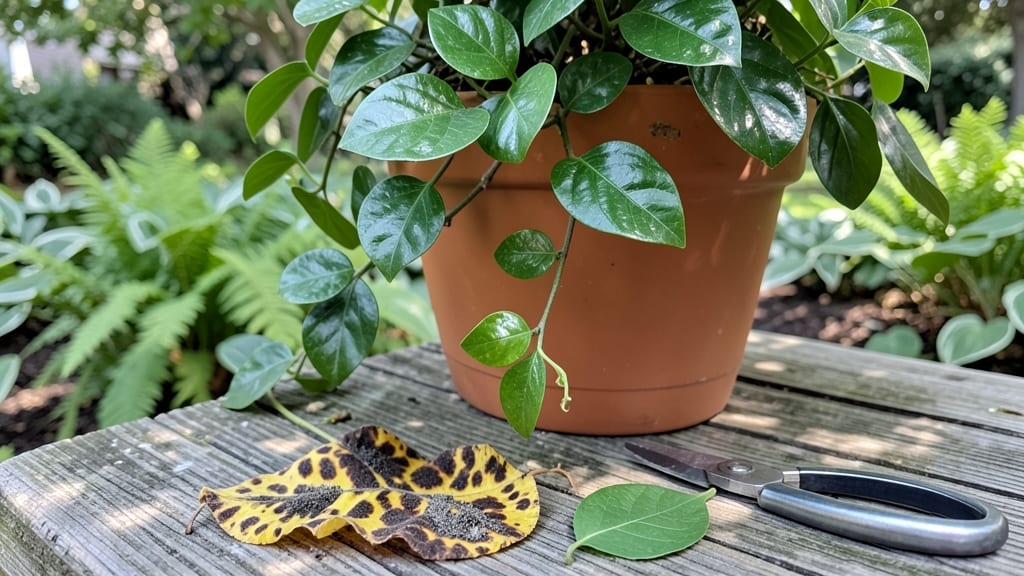
Mandevilla plant diseases can turn your vibrant tropical vines into a sad, yellowing mess if you don’t catch them early. 🌿 I’ve seen powdery mildew turn glossy leaves into fuzzy white blankets and bacterial spots rot through stems overnight—both ruin the showy blooms you love.
The good news? Most issues start with visible symptoms, and once you know what to look for, you can act fast.
Fungal infections like powdery mildew thrive in humid conditions, while bacterial spots spread when rain or overhead watering splashes leaves. Viruses, though rarer, often hitch a ride on insects or contaminated tools.
The key to stopping them? Clean tools, proper spacing between plants, and avoiding wet foliage—simple habits that make all the difference when your mandevillas are flowering.
You’ll spot early signs of trouble in just a few days: white powder on leaves means mildew, dark spots with yellow halos signal bacterial infection, and stunted growth or mosaic patterns could mean a virus.
Once identified, organic remedies like neem oil or copper fungicide work fast, while severe cases might need targeted chemical treatments—though prevention keeps things from getting that far.
With the right care, your mandevillas stay lush and disease-free all season. The secret is staying vigilant—check leaves weekly, prune for airflow, and act the moment you see anything off. Trust me, your plants will thank you with nonstop blooms from spring to frost.
Root Causes of Mandevilla Struggles
Understanding why your Mandevilla plant succumbs to diseases is the first step to preventing them. These vibrant, fast-growing plants are prized for their stunning blooms, but their tropical origins make them vulnerable to environmental stressors, microbial invaders, and even human mistakes.
Let’s break down the real culprits behind Mandevilla plant diseases—so you can tackle them head-on.
Mandevillas thrive in warm, humid climates with well-draining soil and bright, indirect light. When these conditions aren’t met, stress sets in, weakening the plant and making it an easy target for pathogens.
- ❄️ Temperature Fluctuations: Mandevillas hate cold drafts or sudden temperature drops below 50°F (10°C).
Cold stress weakens cell walls, allowing fungal spores (like Botrytis cinerea) to invade more easily. 🌡️ Pro tip: If you live in a cooler zone, grow Mandevillas in containers so you can move them indoors during winter. - 💦 Overwatering or Poor Drainage: Soggy roots = root rot (Phytophthora or Pythium fungi).
These pathogens thrive in waterlogged soil, cutting off oxygen and suffocating roots.
Even slight waterlogging can trigger leaf yellowing and wilting before the disease fully sets in. - ☀️ Too Much Direct Sun: While Mandevillas love light, intense afternoon sun can scorch leaves, creating entry points for bacterial infections (like Xanthomonas).
Look for brown, crispy edges or sunken lesions—classic signs of sunburn-turned-infection.
Once your Mandevilla is stressed, pathogens pounce. Here’s how they exploit weaknesses:
| Disease | Cause | How It Starts |
|---|---|---|
| Powdery Mildew | Erysiphe or Oidium fungi | Spreads via high humidity + poor airflow. White, powdery spots appear first on lower leaves. |
| Root Rot | Phytophthora, Pythium fungi | Overwatering + compacted soil creates anaerobic conditions, letting fungi feast on roots. |
| Bacterial Leaf Spot | Xanthomonas bacteria | Enters through sunburned or damaged leaves, causing water-soaked, dark spots with yellow halos. |
| Fusarium Wilt | Fusarium oxysporum fungus | Lives in contaminated soil and clogs plant vessels, turning leaves yellow and wilted (even with moist soil). |
💡 Key takeaway: Most diseases start small—spotting them early (like powdery mildew’s white dust or bacterial spots’ ooze) gives you a fighting chance.
Pests don’t just nibble—they damage tissue, creating open wounds that invite disease.
Common culprits include: - 🐛 Mealybugs & Scale: These sap-suckers weaken leaves, making them prone to sooty mold (a black fungal growth fed by their honeydew). - 🐜 Spider Mites: In dry conditions, they pierce cells, causing stippling (tiny white/yellow dots) that stress the plant. - 🐛 Whiteflies: Their excrement attracts black mold, while their feeding reduces photosynthesis, stunting growth.
🔥 Action step: If you see sticky residue (honeydew) or tiny webs, isolate the plant and treat pests before diseases move in.
Even the most careful gardeners can accidentally spread diseases through: - 🌿 Overcrowded Pots: Poor airflow = fungal spores linger, increasing infection risk.
Aim for 1 plant per 6–8 inches of pot space. - 🧴 Dirty Tools or Soil: Pruners, gloves, or reused potting mix can carry pathogens from past infected plants. Sterilize tools with rubbing alcohol and use fresh, sterile soil. - 💦 Splashing Water: Water droplets can spread bacterial spots from leaf to leaf.
Always water at the base and avoid overhead sprinkling.
- 🌧️ Humid Climates: Ideal for fungal diseases like powdery mildew or leaf spot. Solution: Improve airflow with pruning or spacers.
- 🏙️ Urban Pollution: Ozone or smog can weaken leaves, making them susceptible to bacterial infections. Solution: Grow in cleaner microclimates (like near a water feature).
- 🌊 Coastal Areas: Salt spray (from ocean winds) can burn leaves, creating entry points for pathogens. Solution: Rinse leaves with fresh water occasionally.
Most Mandevilla diseases don’t happen in isolation—they’re a perfect storm of stress + pathogen + poor care.
The good news? Prevention is simple: ✅ Monitor humidity (aim for 40–60%). ✅ Inspect leaves weekly for early signs. ✅ Quarantine new plants for 2 weeks. ✅ Rotate pots to prevent soil-borne diseases.
By nipping these root causes in the bud, your Mandevilla will stay healthy, blooming, and disease-free! 🌸
Quick Fixes for Mandevilla Plant Struggles
Revive your Mandevilla with these targeted solutions—each tailored to the root cause of your plant’s distress. From fungal infections to pest invasions, we’ve broken down the fixes into simple, actionable steps. Prevention tips are included to keep your vibrant blooms thriving long-term.
Fungal diseases like powdery mildew, leaf spot, or root rot can turn your Mandevilla’s lush foliage into a sad, spotted mess. Here’s how to tackle them:
🔥 Treat Powdery Mildew or Leaf Spot
- Prune the Problem Areas 🔪
- Snip off infected leaves with clean, sterilized pruners (dip in rubbing alcohol or bleach solution first).
- Dispose of the clippings in the trash—not the compost—to prevent reinfection.
- Apply Fungicide 🛡️
- Use a copper-based fungicide or a neem oil solution (1 tsp neem oil + 1 quart water + a drop of dish soap as an emulsifier).
- Spray thoroughly on both sides of leaves and the stems. Repeat every 7–10 days until the issue clears.
- Boost Airflow and Light 🌞
- Fungal spores thrive in humid, shaded conditions. Move your Mandevilla to a spot with bright, indirect light and improved airflow (e.g., near an open window or fan).
- Water Wisely 💦
- Morning watering is key—it allows leaves to dry quickly, reducing moisture buildup.
- Avoid overhead watering; use a drip irrigation system or water at the base.
💡 Pro Tip: After treatment, sterilize your tools again to avoid spreading spores to other plants.
Pests like aphids, spider mites, or mealybugs can drain your Mandevilla’s vitality. Here’s how to evict them:
🍳 Homemade Pest Sprays (Safe and Effective)
- Soapy Water Spray 🧼
- Mix 1 tbsp mild dish soap (like Castile soap) with 1 quart water.
- Spray directly on pests, focusing on undersides of leaves and stems.
- Repeat every 3–4 days until pests disappear.
- Neem Oil Blast 🌿
- Combine 1 tbsp neem oil, 1 tsp horticultural oil, and 1 quart water.
- Add a drop of dish soap to help it stick.
- Spray evenly and reapply every 5–7 days.
👨🍳 Manual Removal for Stubborn Infestations
- Mealybugs? Wipe them off with a cotton swab dipped in rubbing alcohol.
- Spider mites? Blast them off with a strong stream of water from the showerhead.
🌡️ Long-Term Pest Prevention
- Inspect new plants before bringing them home (quarantine for 2 weeks if possible).
- Encourage beneficial insects like ladybugs or lacewings—they’re natural pest predators!
- Keep your Mandevilla healthy with proper fertilization and sunlight—stressed plants attract pests.
If your Mandevilla’s leaves are yellowing, wilting, or dropping, root rot might be the culprit. Here’s how to rescue it:
⏰ Emergency Steps for Root Rot
- Check the Roots 🔍
- Gently remove the plant from its pot and inspect the roots.
- Healthy roots are firm and white; rotten roots are mushy, brown, or black.
- Trim the Damage ⚰️
- Use sterilized scissors to cut away all soft, discolored roots.
- Keep only the firm, white roots attached.
- Repot in Fresh Soil 🏺
- Choose a well-draining potting mix (add perlite or sand for extra aeration).
- Use a clean pot with drainage holes—terracotta is ideal.
- Let the roots air-dry for 1–2 hours before repotting to prevent further rot.
- Adjust Your Watering Habits 💧
- Wait until the top 1–2 inches of soil are dry before watering again.
- Bottom-watering (placing the pot in a tray of water for 10–15 minutes) helps prevent overwatering.
💡 Pro Tip: If your Mandevilla is severely root-bound, trim the roots gently while repotting to encourage new growth.
Once you’ve tackled the immediate issue, prevent recurrence with these gold-standard care tips:
- 🌞 Light: Mandevillas love bright, indirect light—6+ hours daily.
A south- or west-facing window is perfect. - 💧 Water: Less is more! Water deeply but only when the topsoil is dry (usually every 5–7 days). - 🌱 Fertilizer: Use a balanced, water-soluble fertilizer (10-10-10 or 20-20-20) every 4–6 weeks during spring and summer. - 🌿 Pruning: Trim dead or yellowing leaves regularly to improve airflow and encourage new blooms. - 🌡️ Temperature: Keep it above 50°F (10°C)—Mandevillas hate cold drafts!
Your Mandevilla will bounce back with the right care—just stay consistent, and those stunning flowers will return in no time! 🌸
Frequently asked questions
Why do my mandevilla leaves develop white powdery spots?
Those white spots are likely powdery mildew, a common fungal infection that thrives in humid conditions with poor airflow. The fungus spreads easily when leaves stay damp for long periods, especially in shaded areas. Prune affected leaves immediately and apply a mix of 1 teaspoon neem oil with 1 quart water (add a drop of dish soap) every 7 days until cleared.
Can I save a mandevilla with brown, mushy stems and yellow leaves?
That sounds like root rot, often caused by overwatering or poor drainage. First, remove the plant from its pot and trim away all brown/mushy roots with sterilized scissors. Repot in fresh, well-draining soil with perlite, and water only when the top 1-2 inches of soil are completely dry. Keep it in bright, indirect light and avoid soggy conditions.
What causes dark spots with yellow halos on mandevilla leaves?
Those symptoms point to bacterial leaf spot, usually spread by contaminated water or tools. Remove infected leaves immediately, sterilize your pruners with rubbing alcohol, and apply a copper fungicide (follow label instructions). Avoid overhead watering—always water at the base—and improve airflow by spacing plants 6-8 inches apart.
How do I prevent pests like mealybugs from attacking my mandevilla?
Mealybugs love weak plants, so keep your mandevilla healthy with proper light and fertilization. Inspect new plants before bringing them home and quarantine them for 2 weeks. For existing infestations, wipe pests off with a cotton swab dipped in rubbing alcohol or spray with soapy water (1 tablespoon mild dish soap per quart of water). Repeat every 3-4 days.
Will my mandevilla recover if I ignore early disease signs?
Ignoring early symptoms can lead to irreversible damage. Fungal diseases like powdery mildew or bacterial spots spread quickly, while root rot can kill the entire plant if left untreated. Act fast—prune infected areas, adjust care habits (like watering or light exposure), and apply targeted treatments. With prompt action, most mandevillas bounce back within 2-4 weeks.