
Succulent
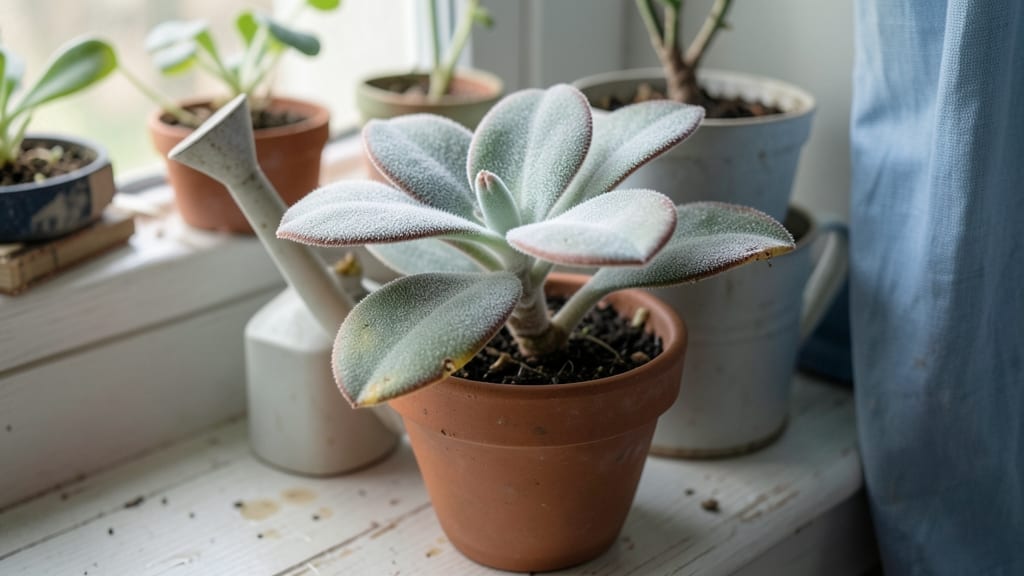
Your panda plant’s drooping leaves and yellowing stems aren’t a death sentence—this is a root rescue moment. 🌱 I’ve nursed back more than a dozen panda plants from overwatering, and the same three steps work every time.
The key? Stopping the rot before it spreads, giving roots room to breathe, and adjusting your watering routine forever.
Most people think panda plants (Kalanchoe tomentosa) are drought-tolerant, but they’re actually finicky about moisture. Overwatering causes root rot, which turns leaves mushy and brown. The good news?
You can reverse it with 3 simple steps: trim the damaged roots, repot in fresh, gritty soil, and wait before watering again. It’s not magic—just giving your plant a second chance.
Within 2-3 weeks, you’ll see new growth at the base of the stems, and the velvety leaves will return to their signature silver-blue hue. The plant might look sad at first, but with the right care, it’ll bounce back stronger than ever.
Here’s exactly how to do it without losing another leaf.
This method works for panda plants in pots, hanging baskets, or even small gardens—just adjust the container size. The secret? Less water, more air around the roots. Let’s get your plant back to its happy, thriving self.
Root of the Problem Explained
If your Kalanchoe tomentosa—the beloved panda plant—is looking more like a soggy pancake than its usual velvety charm, overwatering is likely the culprit. This issue doesn’t happen by accident; it’s a mix of environmental factors, human habits, and the plant’s natural quirks.
Let’s break down the key reasons your panda plant is drowning in its own pot.
Panda plants are succulents, meaning they store water in their thick, fuzzy leaves. Unlike thirsty tropical plants, they thrive on infrequent, deep watering. Yet, many gardeners fall into the trap of:
- Watering on a schedule—even if the soil isn’t dry. Succulents need water when they need it, not on a calendar.
- Ignoring the "soak-and-dry" method. A quick sprinkle leaves the roots damp, creating the perfect breeding ground for root rot (a fungal infection that chokes your plant).
- Using the wrong pot. Terracotta pots dry out faster, but if your plant sits in a saucer of standing water, moisture lingers at the roots.
Pro tip: 💡 Stick your finger 1-2 inches into the soil. If it feels moist, wait. If it’s bone-dry, it’s time to water—thoroughly—until water drains from the bottom.
A panda plant’s roots are not equipped for soggy conditions. When drainage fails, excess water pools around the roots, cutting off oxygen and triggering:
- Compacted or clay-heavy soil that repels water instead of absorbing it, leaving roots waterlogged.
- Pots without drainage holes, turning the container into a swamp. Even "self-watering" pots can be deadly if not monitored.
- Saucer syndrome: Leaving the plant sitting in a tray of water "for humidity" actually suffocates the roots.
Fix it fast: ✨ Repot in a mix of cactus/succulent soil (60%) + perlite/pumice (40%) and ensure the pot has drainage holes. Elevate pots on pebbles or a rack to prevent saucer buys.
Panda plants love bright, indirect light and dry air. When humidity spikes (like in bathrooms or kitchens) or temperatures drop, the plant struggles to regulate moisture:
- High humidity slows evaporation, keeping soil damp longer than it should.
- Cold drafts or AC blasts shock the plant, reducing its ability to metabolize water efficiently.
- Overcrowded pots create microclimates where moisture lingers between leaves and soil.
Adjust the environment: 🌡️ Keep your panda plant in a well-lit spot (6+ hours of indirect light daily) and away from humid areas. A dehumidifier nearby can help if your home is consistently damp.
New panda plant owners often assume its thick, fuzzy leaves mean it’s drought-resistant. While true, they’re also sensitive to overwatering because:
- Slow growth = slow water uptake. Panda plants grow slowly, so they don’t drink much at a time.
- Leaves store water, but roots hate excess moisture. Overwatering forces roots to "drown," while leaves stay plump—masking the problem.
- Seasonal changes affect thirst. In winter, growth slows, so water even less.
Rule of thumb: 🎯 Water every 2-3 weeks in summer and every 4-6 weeks in winter. When in doubt, underwater—panda plants bounce back faster from drought than from rot.
Revive Your Panda Plant Now
An overwatered Kalanchoe tomentosa (the beloved Panda Plant) can feel like a slow-motion tragedy—yellowing leaves, mushy stems, and roots that’ve traded oxygen for soggy despair. But don’t toss it! With the right steps, you can nurse it back to fuzzy, thriving health.
Below, we map out cause-specific fixes and prevention tips to save your plant without losing your sanity (or your green thumb).
Cause: Overwatering stresses the plant, causing nutrient leaching and fungal/bacterial rot in the stems.
How to Fix It:
- 🚰 Stop Watering Immediately
- Let the soil dry out completely before watering again. Stick your finger 1–2 inches deep—if it’s damp, wait.
- 🧼 Trim the Damage
- Use sterilized scissors to snip off:
- Yellow/brown leaves (they won’t recover).
- Soft, mushy stems (cut back to healthy green tissue).
- Pro Tip: 💡 Snip at a 45° angle to prevent water pooling on cuts.
- Use sterilized scissors to snip off:
- 🌿 Repot in Fresh, Draining Soil
- Remove the plant from its pot and gently rinse the roots to wash away old, soggy soil.
- Repot in a terracotta pot (breathable!) with a mix of:
- 60% cactus/succulent soil
- 30% perlite or pumice
- 10% orchid bark (for aeration)
- Warning: ⚠️ If roots smell foul or are black/mushy, prune them with sterilized shears and treat with hydrogen peroxide (3%) for 10 minutes to kill fungus.
- 🌞 Reset Its Light Routine
- Move to bright, indirect light (east or west windowsill). Avoid harsh midday sun until it recovers.
Cause: Roots suffocating in wet soil lead to root rot, cutting off water/nutrient uptake.
How to Fix It:
- 🔍 Check the Roots
- Remove the plant and inspect:
- Healthy roots: Firm, white/tan.
- Rotten roots: Black, mushy, or smell like vinegar.
- Quick Test: 🧪 Squeeze a root—if it squishes like overcooked pasta, it’s rotten.
- Remove the plant and inspect:
- 🛡️ Treat Rotten Roots
- Trim away all diseased roots with sterilized pruning shears.
- Dust cuts with cinnamon powder (natural antifungal) or fungicide (like Mycorrhizal powder).
- Pro Tip: ✨ Let the trimmed roots air-dry for 1–2 hours before repotting to prevent further infection.
- 🏗️ Repot with a Drainage Overhaul
- Choose a pot 2 inches larger than the root ball (smaller = faster drying).
- Add a 1-inch layer of gravel or broken pottery at the bottom for drainage.
- Use a soil mix designed for succulents (or DIY: 50% soil + 50% perlite).
- 💧 Water Like a Desert Guide
- First watering: Wait 5–7 days after repotting to let roots heal.
- Going forward: Water only when the top 2 inches of soil are bone-dry (test with your finger!).
- Prevention: 🌡️ Use a moisture meter or the "knuckle test"—if your knuckle feels dry, it’s time.
Cause: Excess moisture + poor airflow = fungal party (like powdery mildew or stem rot).
How to Fix It:
- 🌬️ Improve Airflow
- Space plants 2–3 inches apart or use a small fan on low (trust us, they love it).
- Avoid placing near humid areas (like bathrooms).
- 🧴 Fungal Cleanse
- Wipe leaves with a 1:10 hydrogen peroxide-water mix (3% solution) using a soft cloth.
- Spray with neem oil (1 tsp neem oil + 1 quart water) weekly until symptoms fade.
- ☀️ Boost Light Exposure
- Panda Plants thrive in 6+ hours of bright light daily. Supplement with a grow light if natural light is lacking.
Now that your Panda Plant is on the mend, lock in these habits to prevent relapses:
- 📅 Watering Schedule: Every 2–3 weeks in winter, weekly in summer (adjust for humidity/climate).
- 🪴 Pot Upgrade: Repot every 2–3 years to refresh soil and roots.
- 🌡️ Temperature Check: Keep it 60–80°F—avoid drafts or freezing temps.
- 🍃 Fertilizer: Feed once in spring/summer with a diluted succulent fertilizer (half-strength).
Remember: Patience is key—your Panda Plant may take 4–6 weeks to bounce back. Celebrate small wins, like new fuzzy leaves sprouting or stems perking up! 🎉
Frequently asked questions
Why do my panda plant's leaves turn yellow when overwatered?
Yellowing leaves signal root rot from excess moisture cutting off oxygen to roots. The plant can't absorb nutrients, so leaves turn yellow and may drop. Check soil moisture—if it stays damp for more than 3-4 days, you're overwatering. Let soil dry completely between waterings.
Can I save a panda plant with completely black, mushy stems?
If stems are black and squishy, the rot has spread too far to save that part. Cut back to healthy green tissue with sterilized scissors, then repot in fresh, gritty soil. New growth should emerge from the base within 3-4 weeks if roots are still viable. Always use pots with drainage holes!
How often should I water my panda plant after recovery?
Once recovered, water every 2-3 weeks in summer and every 4-6 weeks in winter. Use the finger test: stick your finger 1-2 inches deep—if dry, water thoroughly until it drains from the bottom. Panda plants store water in leaves, so they prefer dry soil over soggy conditions.
What's the best soil mix to prevent future overwatering?
Use a blend of 60% cactus/succulent soil, 30% perlite or pumice, and 10% orchid bark. This creates airflow while retaining just enough moisture. Avoid regular potting soil—it holds too much water and suffocates roots. Terracotta pots help too by wicking away moisture.
Will my panda plant grow back from just a single leaf?
Yes! Place the healthy leaf in dry, gritty soil (like the mix above) and keep it in bright, indirect light. Mist lightly once a week—roots will grow from the leaf base in 4-6 weeks. Be patient, but avoid overwatering the leaf cutting. This works best in warm (70-75°F) conditions.