
Watering
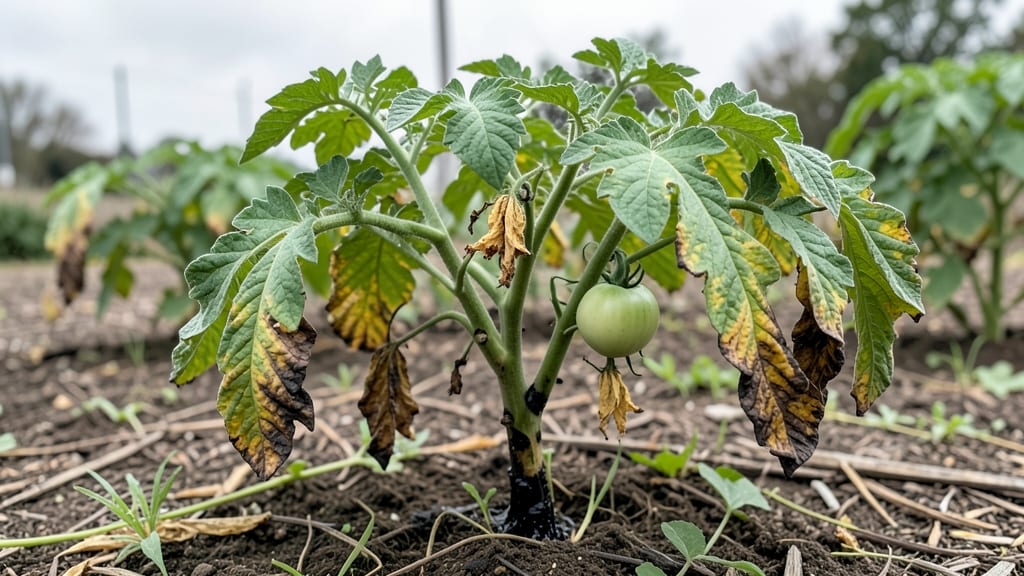
Overwatered plant leaves turn yellow and droop faster than you’d think—we’ve all been there after a particularly enthusiastic watering session. 🌱 The first time I saw my ferns wilt into sad, limp messes, I thought I’d lost them forever.
Turns out, most plants don’t need as much water as we give them, and adjusting habits can bring them back to life in days.
Yellowing leaves and drooping stems are classic signs of overwatering, but the real damage often happens underground—root rot sets in when roots suffocate in soggy soil. The good news? Fixing it is simpler than you’d expect: let the soil dry out between waterings, improve drainage, and trim any mushy roots.
Within a week, you’ll see those leaves perk back up, and your plant will start breathing easy again.
For houseplants, stick your finger an inch into the soil—if it’s damp, wait another day. Outdoor crops like tomatoes or peppers need even less frequent watering once established, and containers dry out faster than garden beds.
The key is consistency: let the top inch of soil dry before watering again, and watch your plants bounce back with vibrant green leaves.
Prevention is even easier—just check soil moisture before watering, and choose pots with drainage holes. We’ve saved countless plants this way, and you can too. Once you master this, you’ll spot the signs before they become a problem, and your garden’s survival rate will skyrocket.
Root Causes Of Overwatered Leaves
When your plants start sporting sad, yellowing, or drooping leaves, the culprit is often too much water—even if it seems counterintuitive. Overwatering disrupts the delicate balance of moisture, oxygen, and nutrients in the soil, leading to stress and damage.
Let’s break down the key reasons why this happens, so you can fix the issue (and prevent it in the future).
Most overwatering problems stem from a lack of proper drainage. If your pots lack drainage holes, water pools at the bottom instead of flowing out, creating a soggy environment. Even with holes, compacted or dense soil (like clay) can trap excess moisture, suffocating roots.
- Why it matters: Roots need oxygen to respire. Without it, they drown, leading to yellowing leaves and root rot.
- Actionable fix: Use well-draining soil mixes (like cactus or succulent blends) and ensure pots have multiple drainage holes.
Watering on a schedule—rather than checking soil moisture—is a common mistake. Some plants (like ferns or calatheas) love humidity but hate soggy roots, while others (like succulents) need dry spells between waterings. Ignoring a plant’s natural thirst leads to excess water pooling in the soil.
- Why it matters: Overwatering washes away nutrients and disrupts the root zone’s microbial balance, causing leaves to yellow or drop.
- Actionable fix: Stick your finger 1-2 inches into the soil—if it’s damp, wait. Use the "drench-and-dry" method for most plants.
Small pots fill up with water faster than roots can absorb it, leading to saturation. Even if you water less frequently, the confined space traps moisture, creating the perfect storm for root rot.
- Why it matters: Roots in cramped pots can’t breathe or access oxygen, leading to anaerobic conditions (where harmful bacteria thrive).
- Actionable fix: Upgrade to a pot 2-3 inches larger in diameter for mature plants. Terracotta pots help wick away moisture faster than plastic.
Humidity, temperature, and light levels all play a role in how quickly soil dries. High humidity (like in bathrooms or kitchens) slows evaporation, while cold drafts can lock in moisture, preventing roots from drying out properly.
- Why it matters: If the air is too damp, water sits in the soil longer, increasing the risk of fungal infections (like Phytophthora) that attack roots.
- Actionable fix:
- Move plants to bright, indirect light (but avoid harsh sun, which can dry soil too quickly).
- Use a dehumidifier or fan in humid rooms to improve airflow.
Heavy, clay-based soils or peat-heavy mixes hold onto water like a sponge, never fully drying out. Even "premium" potting soils can compact over time, reducing aeration and trapping excess moisture.
- Why it matters: Compacted soil blocks oxygen flow to roots, while peat-based mixes can waterlog if not amended with perlite or sand.
- Actionable fix: Refresh soil every 1-2 years with a chunky, airy mix (e.g., 60% potting soil + 30% perlite + 10% orchid bark).
💡 Pro Tip: If your plant’s leaves are yellowing with black spots, it’s often a sign of bacterial or fungal rot from overwatering. Act fast—trim affected leaves and repot in fresh, dry soil!
Fix Overwatered Leaves Fast
Reviving soggy, yellowing leaves starts with identifying the root cause—whether it’s compaction, poor drainage, or fungal stress—and acting quickly. Below are targeted fixes for each scenario, plus prevention tips to keep your plants thriving.
Signs: Heavy, mushy soil; roots exposed when pulled; leaves turn yellow or black.
Step-by-Step Rescue
- 🔥 Stop Watering Immediately
- Let the soil dry out completely before watering again. Overwatering creates anaerobic conditions, suffocating roots.
- 👨🍳 Loosen the Soil Gently
- Use a fork or your fingers to aerate the root zone. Avoid damaging roots—just break up compacted areas.
- For potted plants: Tip the pot sideways and tap it to loosen soil from the edges.
- 🥘 Improve Drainage Fast
- Add perlite or coarse sand (20-30%) to repotting mix if in a container.
- For in-ground plants: Mix in compost or organic matter to improve aeration.
- Pro Tip: 💡 If repotting, choose a container 1-2 inches larger with drainage holes.
- ⏰ Monitor Soil Moisture
- Stick your finger 1-2 inches deep—water only when the topsoil feels dry. Use a moisture meter for precision.
Signs: Brown, mushy stems; black spots on leaves; foul odor from soil.
Step-by-Step Rescue
- 🔪 Trim Damaged Foliage
- Snip off yellow, black, or mushy leaves with sterilized scissors. Dispose of them in the trash (not compost).
- 🌡️ Disinfect the Plant
- Wipe leaves with a 1:10 hydrogen peroxide solution (3% strength) to kill fungal spores.
- Alternative: Neem oil spray (1 tsp per quart of water) for organic treatment.
- 🎯 Adjust Watering Habits
- Water at the base only—avoid wetting leaves to prevent spread.
- Water in the morning so foliage dries quickly.
- ✨ Boost Airflow & Light
- Move the plant to a bright, indirect spot (but no direct sun yet).
- Increase spacing between plants if crowded.
- 💪 Repot if Necessary
- If root rot is severe, remove the plant, trim black/mushy roots, and repot in fresh, sterile soil with perlite.
| Cause | Prevention Tip | Tool to Use |
|---|---|---|
| Poor Drainage | Use pots with drainage holes + saucers. | Terra-cotta pots, fabric grow bags |
| Inconsistent Watering | Stick to a watering schedule (e.g., every 7-10 days). | Moisture meter, calendar reminders |
| Overpotting | Choose pots no larger than needed. | Size-up rule: 1-2" bigger than roots |
| Clay Soil (Holds Water) | Amend with compost or coconut coir. | Garden fork, compost mix |
| High Humidity | Improve airflow with a small fan. | Oscillating fan (low setting) |
✅ For soil compaction: Aerate + amend soil + adjust watering. ✅ For fungal issues: Prune + disinfect + repot if needed. ✅ For prevention: Test soil moisture, upgrade pots, and space plants properly.
Remember: Plants recover faster when you act fast and adjust habits—not just symptoms. With these fixes, your droopy leaves will bounce back in 1-4 weeks! 🌱💚
Frequently asked questions about yellowing, drooping leaves
Why do my plant leaves turn yellow when I water them regularly?
Yellowing leaves often signal root stress from overwatering. When soil stays too wet, roots suffocate and can't absorb oxygen or nutrients. Check for mushy stems or foul smells—these are red flags for root rot. Most plants prefer dry spells between waterings, even if they look thirsty.
How can I tell if my plant has root rot from too much water?
Look for black or brown mushy roots when you gently remove the plant from soil. Healthy roots should be firm and white. If you see rot, trim the affected areas with clean scissors, repot in fresh, dry soil, and reduce watering immediately. Avoid composting these roots—they can spread disease.
Will my overwatered plant recover if I just stop watering?
Not always—stopping watering alone won't fix root damage. You must let the soil dry completely and improve drainage first. For potted plants, upgrade to a container with holes and use a chunky soil mix (like 60% potting soil + 30% perlite). Outdoor plants may need soil amendments like compost to break up compaction. Recovery takes 1-4 weeks with proper care.
Can I save a plant with completely black leaves from overwatering?
Black leaves usually mean severe fungal rot has set in. While you can prune the blackened foliage, the plant may not survive if roots are fully compromised. Try repotting in fresh soil and using a hydrogen peroxide soak (1:10 ratio) for 10 minutes to disinfect roots. If new growth appears within 2 weeks, it's a good sign!
What's the best soil mix to prevent overwatering problems?
Use a well-draining blend like 60% potting soil, 30% perlite or pumice, and 10% orchid bark. This creates air pockets while retaining enough moisture. For heavy clay soils, mix in coarse sand or coconut coir. Terracotta pots help wick away excess moisture faster than plastic. Always use containers with multiple drainage holes.