Watering
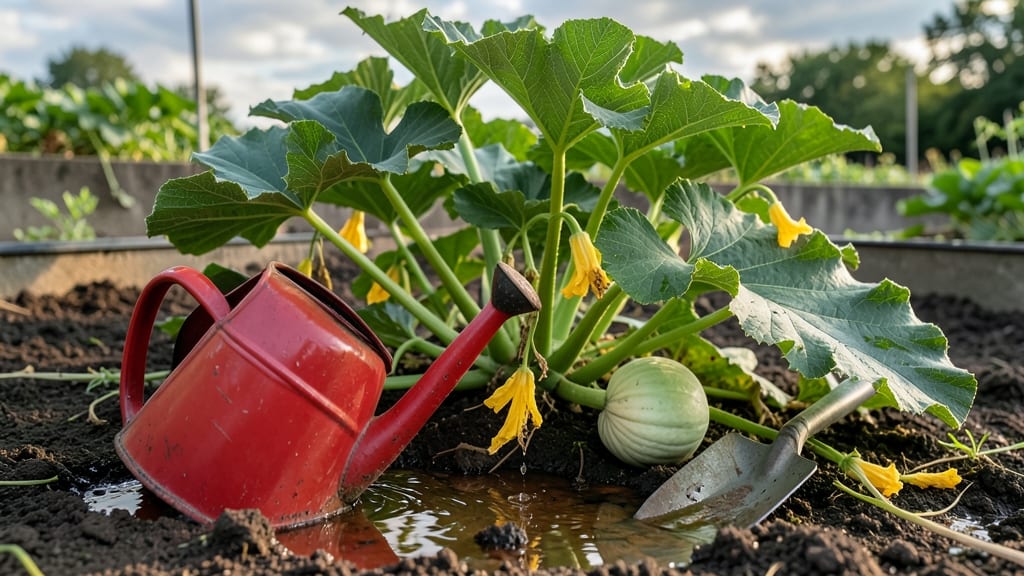
Overwatering squash plants turns their leaves yellow and mushy—something I’ve seen ruin entire vines in just days. 🌱 The problem starts when soggy soil smothers roots, cutting off oxygen and inviting rot. I learned the hard way that squash plants hate wet feet, even if they’re thirsty-looking.
Most gardeners overdo it because squash plants look parched even when they’re drowning. The fix starts with checking soil moisture—stick your finger in 2 inches deep. If it’s damp, wait. Amend heavy soil with compost to improve drainage, and consider raised beds if your yard stays soggy after rain.
Within a week of adjusting watering, you’ll see new growth pushing through. The leaves will firm up, and those telltale yellow patches will fade as roots breathe again. This isn’t about guesswork—it’s about matching water to what the plant actually needs.
Even after fixing the problem, keep an eye on weather forecasts. Mulch helps regulate moisture, and drip irrigation gives you precise control. Once you master this, your squash will thrive instead of wither—no more wasted vines or blighted leaves.
Root Causes Of Overwatering
Overwatering squash plants—especially when done consistently—can turn a thriving garden into a soggy disaster. But why does this happen? The issue often stems from a mix of environmental factors, soil conditions, and human habits. Understanding these root causes helps you adjust your watering routine before damage sets in.
Squash plants thrive in well-draining soil, but if your garden bed or containers lack proper drainage, excess water pools around the roots instead of draining away. This creates an anaerobic (oxygen-deprived) environment, where roots suffocate and pathogens like Pythium or Phytophthora flourish.
- Compacted or clay-heavy soil holds water like a sponge, leaving roots waterlogged.
- Lack of organic matter (like compost or perlite) reduces pore space, slowing drainage.
- Raised beds without gravel or sand layers can trap moisture at the bottom.
Actionable fix: Test your soil’s drainage by filling a container with it, adding water, and timing how long it takes to drain. If it takes longer than 30 minutes, amend with coarse sand, perlite, or coconut coir.
Squash plants have shallow root systems and prefer even moisture—not daily drenching. Overwatering often happens when gardeners:
- Water on a strict daily schedule regardless of weather (e.g., rain or humidity).
- Use sprinklers or overhead watering, which wets leaves, promoting fungal diseases like powdery mildew.
- Ignore the soil’s moisture level and assume "more is better."
Science note: Squash roots need 1–2 inches of water per week, but this varies by climate. Drip irrigation or soaker hoses deliver water directly to the root zone, reducing waste and evaporation.
Overwatering isn’t just about how much you add—it’s also about how often the soil dries out naturally. Factors like:
- Heavy rainfall (e.g., 1+ inch in 24 hours) can saturate soil for days, especially in low-lying areas.
- High humidity slows evaporation, keeping soil damp longer than usual.
- Cooler temperatures (below 70°F) reduce water absorption, increasing runoff.
Pro tip: Use a moisture meter or the finger test (stick your finger 1–2 inches into the soil—if it’s damp, wait). In rainy seasons, reduce watering by 30–50%.
If squash is grown in small or shallow containers, water evaporates quickly, but the roots have no room to escape excess moisture. Similarly, planting seeds or transplants too deep can bury the stem, trapping water and encouraging rot.
- Containers without drainage holes act like bowls, holding water indefinitely.
- Overcrowded plants compete for oxygen, worsening waterlogging.
- Improper mulching (e.g., piling mulch against stems) can suffocate the base.
Fix: Use containers at least 12 inches deep with drainage holes. For in-ground squash, space plants 3–4 feet apart and use 2–3 inches of mulch (straw or shredded leaves) away from the stem.
Once you identify which of these factors is at play, you can adjust your approach to give your squash plants the perfect balance of moisture—without the drowning.
Revive Your Squash Plants Now
Overwatered squash plants can feel like a lost cause, but with the right steps, you can nurse them back to health—and even prevent future drama. The key is acting fast, diagnosing the root cause, and adjusting your care routine.
Below, we’ll break down practical fixes for the most common overwatering symptoms, plus prevention tips to keep your squash thriving.
Symptoms: Soggy soil, yellowing leaves, wilting despite wet conditions, or a foul smell. Fix:
- Stop Watering Immediately 🚫💧
- Let the soil dry out completely before watering again. Squash plants prefer consistent moisture but hate soggy roots.
- Improve Drainage 🏗️🌱
- Raise containers (if potted) on bricks or a stand to allow airflow underneath.
- Amend heavy soil with compost or perlite to help it drain faster.
- Check your pots—if they lack drainage holes, repot into ones that do.
- Loosen Compacted Soil 🕳️🔄
- Gently fork the soil around the base of the plant to break up waterlogged areas. This helps roots breathe.
Prevention Tip: 💡 Water only when the top 1–2 inches of soil are dry. Stick your finger in—if it’s damp, wait!
Symptoms: Yellowing lower leaves, slow growth, or leaves curling inward. Fix:
- Flush the Soil 🚿🌿
- Run water through the soil for 10–15 minutes to leach out excess salts or chemicals that may have built up from overwatering.
- Balance with Nutrients 🍽️💪
- Overwatering often washes away nutrients. Give your squash a balanced fertilizer (like 10-10-10) diluted to half strength.
- Avoid high-nitrogen feeds—they promote leafy growth but weaken roots.
- Trim Damaged Foliage ✂️🍃
- Snip off yellow or mushy leaves to redirect energy to healthy growth.
Prevention Tip: 🌡️ Use a moisture meter to track soil dampness—aim for 40–60% moisture, not soggy.
Symptoms: Squishy stems, blackened spots, or fruit that’s rotting at the base. Fix:
- Prune Affected Areas ⚔️🍅
- Cut off rotting stems or fruit with clean shears, leaving a small healthy section.
- Do not compost diseased plant material—toss it in the trash.
- Disinfect Tools 🧼✨
- Wipe pruners with rubbing alcohol between cuts to prevent spreading rot.
- Boost Fungal Resistance 🛡️🍄
- Spray with a copper fungicide or baking soda mix (1 tbsp baking soda + 1 quart water + a drop of dish soap) to prevent further spread.
Prevention Tip: ✨ Mulch with straw or leaves to keep soil temperature stable and reduce fungal spores.
Once your plants recover, lock in their success with these habits:
- Water deeply but less often—aim for 1–1.5 inches per week (adjust for rain).
- Choose the right pot—if container-grown, ensure it’s at least 12 inches deep with drainage.
- Monitor weather—avoid watering before rain, and reduce frequency in humid climates.
- Rotate crops—don’t plant squash in the same spot year after year to prevent soil-borne diseases.
Pro Tip: 🎯 If your squash is severely stressed, consider transplanting it to a drier spot with fresh soil—sometimes a fresh start is the best fix!
Frequently asked questions
How often should I water squash plants to avoid overwatering?
Squash plants need about 1–1.5 inches of water per week, including rainfall. Check soil moisture by sticking your finger 1–2 inches deep—if it's damp, wait. Water deeply but less frequently, especially in humid climates or after rain.
What are the first signs my squash plants are overwatered?
Look for yellowing leaves, especially on the bottom, and soggy soil that stays wet for days. Leaves may also appear wilted even when the soil is damp, and the stems might feel mushy or discolored.
Can I save an overwatered squash plant?
Yes! Stop watering immediately and let the soil dry out. Improve drainage by amending heavy soil with compost or perlite, and trim any mushy or yellow leaves. With proper care, squash plants can recover within 1–2 weeks.
Why do my squash plants look thirsty even when I water them daily?
Daily watering often leads to overwatering because squash roots need air and nutrients, not constant moisture. The "thirsty" look can be a sign of root suffocation. Instead, water deeply 2–3 times per week and let the topsoil dry slightly between waterings.
What’s the best way to fix waterlogged soil for squash?
Loosen compacted soil with a garden fork to improve airflow, and mix in organic matter like compost or coconut coir. For containers, ensure they have drainage holes and elevate them slightly to prevent water pooling.