
Container Gardens
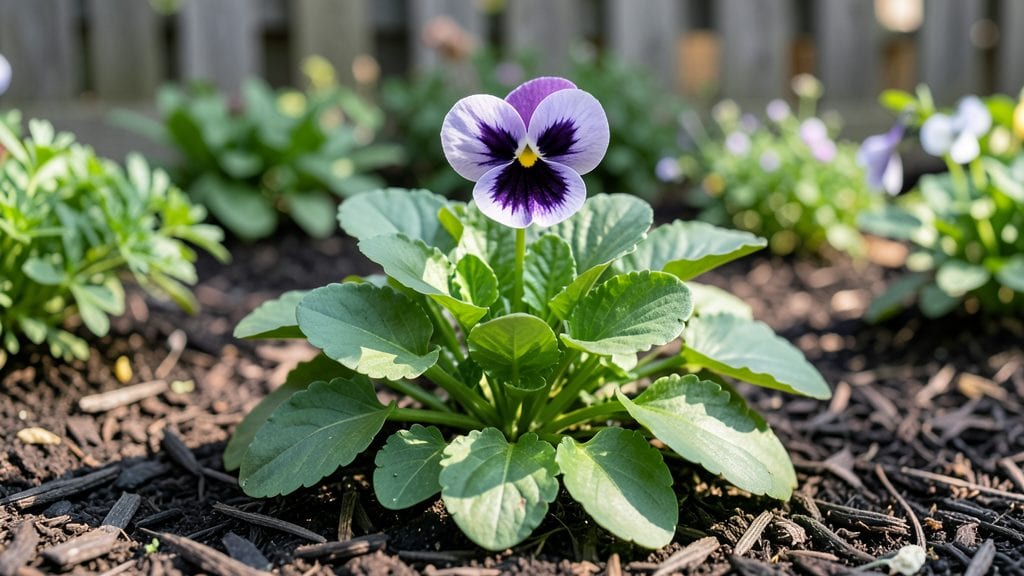
Transform your space with a pansy indoor plant, whose vibrant blooms and delicate scent thrive year-round when you replicate their cool, bright, and well-draining conditions—here’s how I’ve kept mine flourishing for months. ✨ right. The key isn’t complicated, but getting it wrong means leggy stems and sparse flowers.
You’ll need a sunny windowsill or grow light, well-draining potting mix, and a pot with drainage holes. Pansies thrive in 50-65°F temperatures and prefer consistent moisture—never soggy soil. A 6-inch pot works for one plant, but you can cluster three in a 12-inch container for a fuller display.
With the right care, you’ll enjoy vibrant blooms for 6+ months, even in winter. The flowers stay fresh longer, and the plants rarely get pests if you keep them healthy. The trick is balancing light, water, and a little deadheading to encourage new buds.
Works for apartments, offices, or sunrooms—just adjust light as seasons change. Let’s get those pansies thriving indoors!
📚 In This Guide
- What you need
- Instructions
- Tips and common mistakes
- Wrapping up and next steps
What you need
- ● Pansy plant(s): 1-3 healthy nursery-grown pansies (choose cold-hardy varieties like Viola × wittrockiana for best results).
- ● Container: 1-2 pots with drainage holes (6–8 inches in diameter per plant; larger for multiple pansies).
- ● Potting mix: 1 bag of high-quality, well-draining seed-starting mix or all-purpose potting soil (avoid garden soil—it compacts!).
- ● Drainage material: Small pebbles, perlite, or a layer of horticultural grit (1–2 inches per pot).
- ● Watering can or spray bottle: 1 with a gentle rose nozzle for even moisture.
- ● Fertilizer: 1 bottle of balanced liquid fertilizer (10-10-10 or 20-20-20) or slow-release granules.
- ○ Grow lights (optional but helpful): 1-2 LED full-spectrum grow lights (12–16 hours/day) if natural light is <12 hours/day.
- ● Self-watering pot or moisture meter to monitor soil hydration.
- ● Decorative pebbles or mulch for a polished look.
- ● Humidity tray or pebble tray to boost air moisture (pansies love it!).
- ● Pruning shears for deadheading spent blooms (keeps flowers coming!).
Step-by-Step instructions for growing pansies indoors
Here’s how to cultivate vibrant, fragrant pansies that thrive year-round indoors.
🪴 Step 1: Select the Right Containers and Soil Mix
Start with 6-inch diameter pots for each pansy plant—this gives roots room to establish without becoming root-bound too quickly. Use a well-draining potting mix (never garden soil) blended with 20% perlite to prevent compaction. I like to add a handful of orchid bark to improve aeration, especially if your home has lower humidity.
Fill each pot to within 1 inch of the rim, leaving space for watering. Tap the container gently on the table to settle the mix without compacting it. The goal is a fluffy, airy medium that won’t suffocate roots. Pre-moisten the soil with room-temperature water until it’s damp but not soggy—you should see moisture bead on the surface but not pool.
🌱 Step 2: Plant Transplants or Sow Seeds Correctly
If using transplants, choose healthy seedlings with compact stems and no signs of yellowing leaves. Gently remove each plant from its nursery pot and loosen the root ball before placing it in the prepared container. Set the plant at the same depth it was growing in the nursery—burying the stem too deep invites rot, while planting too shallow exposes roots to drying.
For seeds, scatter them ¼ inch deep across the soil surface, spacing them ½ inch apart. Lightly press them into the mix with your finger—don’t cover them with additional soil. Mist the surface with a spray bottle until evenly damp. Place the pots in a humidity dome or cover them loosely with plastic wrap to retain moisture. Keep them in warmth (65–70°F) until germination, which typically takes 10–14 days.
☀️ Step 3: Position for Bright, Indirect Light
Pansies crave 4–6 hours of bright, indirect light daily—a south- or west-facing window is ideal. If natural light is limited, supplement with a grow light placed 6–12 inches above the plants. Avoid direct midday sun, which can scorch delicate petals. You’ll know the light is right when leaves stay deep green and stems remain upright rather than stretching toward the window.
Rotate the pots quarter-turn weekly to ensure even growth. Leggy stems or pale foliage signal insufficient light—move closer to the window or adjust the grow light’s height. In winter, when daylight shortens, extend light exposure to 12–14 hours using a timer to prevent dormancy.
💧 Step 4: Water and Fertilize for Continuous Blooms
Water when the top inch of soil feels dry to the touch, typically every 3–4 days. Use room-temperature water and water at the base to avoid wetting leaves, which can trigger fungal issues. Let excess water drain completely—pansies hate soggy roots. In low-humidity environments, mist the foliage lightly in the morning to mimic outdoor dew, but avoid evening misting to prevent overnight moisture buildup.
Feed every 2–3 weeks with a balanced liquid fertilizer (10-10-10 or 20-20-20) diluted to half-strength. This encourages prolonged blooming and vibrant petal colors. Stop fertilizing in late summer to allow plants to rest, then resume in early spring. You’ll notice buds forming within 2–3 weeks of consistent feeding.
✂️ Step 5: Prune and Maintain for Long-Term Health
Deadhead spent blooms by pinching off the stem just above the first set of leaves to redirect energy into new flowers. This simple step extends the blooming season by 4–6 weeks. Prune leggy stems back by ⅓ to encourage bushier growth—use clean, sharp scissors to avoid crushing stems. Always prune in the morning so wounds have time to dry before evening moisture sets in.
Inspect leaves weekly for yellowing, spots, or powdery residue—early signs of pests or disease. Isolate affected plants immediately and treat with neem oil or insecticidal soap as needed. In late fall, reduce watering slightly to mimic seasonal slowdown, then resume full care in spring. With this routine, your pansies will reward you with colorful blooms for months.
Tips & tricks for perfect pansy indoor plant care
A few subtle adjustments can transform your pansies from struggling survivors to thriving showstoppers. Here's what I've learned after years of growing these delicate beauties indoors.
Soil Aeration Secret: In Step 1, when mixing your potting blend, go beyond the 20% perlite recommendation and add 10% coarse sand (like horticultural sand) if your home has very low humidity. This creates even better drainage while maintaining moisture retention. The key is to avoid compacting the mix—tap the pot gently on the table after filling, but don't pound it. Think "fluffy cloud" texture rather than packed dirt.
Germination Game-Changer: For seeds in Step 2, I've found that placing the humidity dome under grow lights for 12 hours daily during the 10-14 day germination period speeds things up by 3-4 days. The consistent warmth (maintaining that 65-70°F range) mimics spring conditions and triggers faster sprouting. Just be patient—don't disturb the seeds once planted, even if they don't appear immediately.
Lighting Troubleshooting: If you notice your pansies stretching toward the window in Step 3, it's not just about more light—it's about light quality. Move them to within 3 feet of the brightest window (south or west-facing) and supplement with a full-spectrum LED grow light for 4 hours in the morning and 4 hours in the evening. The goal is to replicate that 4-6 hours of bright indirect light while preventing the elongated stems that signal light deprivation.
Fertilizer Timing: When you start your 2-3 week feeding schedule in Step 4, I recommend alternating between your balanced liquid fertilizer and a fish emulsion** (diluted to half-strength) every other feeding. The fish emulsion provides micronutrients that regular fertilizers often lack, and you'll notice more vibrant petal colors within just two feedings. Always water thoroughly before fertilizing to prevent root burn.
Pro Tips for Pansy Indoor Plant
- A few subtle adjustments can transform your pansies from struggling survivors to thriving showstoppers.
- Soil Aeration Secret: In Step 1, when mixing your potting blend, go beyond the 20% perlite recommendation and add 10% coarse sand (like horticultural sand) if your home has very low humidity.
- Germination Game-Changer: For seeds in Step 2, I've found that placing the humidity dome under grow lights for 12 hours daily during the 10-14 day germination period speeds things up by 3-4 days.
Frequently asked questions
Got questions about keeping your pansy indoor plant thriving?
Here are answers to the most common queries—from care tips to troubleshooting—so you can enjoy those vibrant blooms year-round!
How often should I water my indoor pansy plant?
Water your pansies when the top inch of soil feels dry—usually every 5–7 days, depending on humidity and light. Avoid soggy soil to prevent root rot, and always use room-temperature water. Pro tip: Check soil moisture with your finger before watering!
Why are my pansy leaves turning yellow?
Yellowing leaves often signal overwatering or nutrient deficiency. Reduce watering and ensure the pot has drainage holes. If the issue persists, fertilize with a balanced liquid plant food (like 10-10-10) every 4–6 weeks. Bonus: Yellow edges may also mean low humidity—try misting occasionally!
Can pansies grow indoors without direct sunlight?
Pansies thrive in bright, indirect light (like an east- or north-facing window). If your space is dim, supplement with a grow light 12–14 hours daily. Without enough light, blooms will fade, and leaves may stretch. Alternative: Rotate the pot weekly for even growth!
What are the best indoor alternatives if pansies wilt quickly?
If pansies struggle in your home’s conditions, try these low-maintenance indoor bloomers:
- African Violet – Thrives in indirect light, blooms year-round.
- Begonia – Loves humidity and partial shade.
- Snapdragon – Hardy and fragrant (needs cooler temps).
How do I keep pests off my indoor pansy?
Pansies attract aphids or spider mites if stressed. Prevent pests by:
- Wiping leaves with neem oil (diluted).
- Isolating new plants for 2 weeks.
- Rinsing leaves with water if dusty (pests love debris!).
Wrapping up and next steps
Bringing a pansy indoor plant into your home is a fantastic way to enjoy vibrant blooms and fresh fragrance year-round! With the right care—bright, indirect light, well-draining soil, and occasional deadheading—you’ll keep these cheerful flowers thriving for months.
Whether you’re a seasoned plant parent or just starting, pansies are a forgiving and rewarding choice for indoor beauty.
Ready to level up your container garden? 🌸 Start by picking your favorite variety, grab the supplies, and give your pansies the love they deserve. Happy planting—and enjoy the colorful show!