
Plants
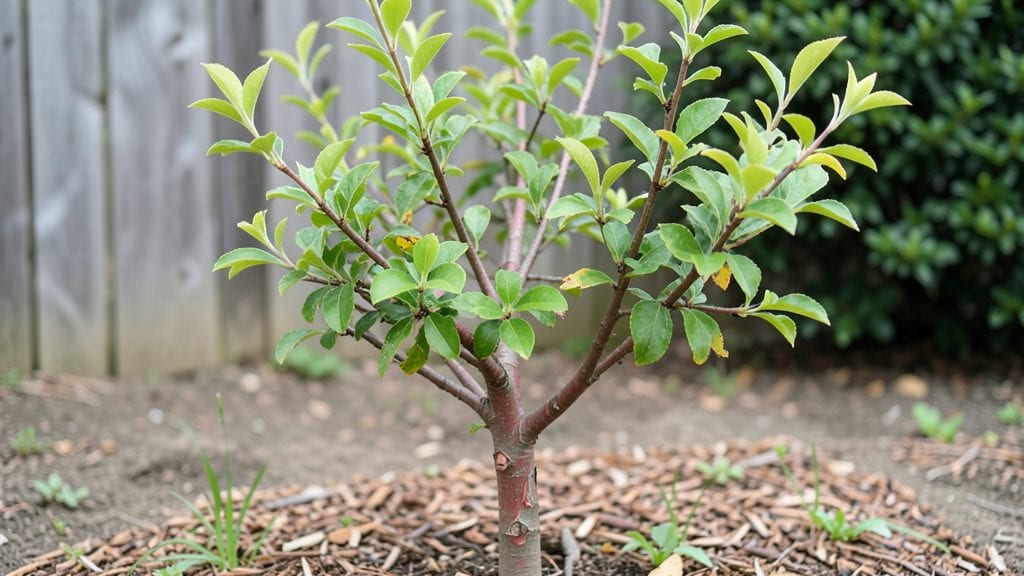
Growing a small peach plant lets you enjoy homegrown fruit even with limited space. 🌱 I started with a dwarf variety in a 15-gallon container last spring, and now it produces sweet peaches every summer—no yard required.
The key is choosing the right compact variety like 'Bonanza' or 'Bonanza Red' that stays small enough for pots while still bearing fruit.
You'll need well-draining soil mixed with compost, a sunny spot with at least 6-8 hours of light daily, and regular watering that keeps the soil moist but not soggy. Most people overwater young peach trees, which leads to root rot—so let the top inch dry out between waterings.
A south-facing window or balcony works for container growing, though larger pots need outdoor placement during summer.
Pruning young trees in late winter removes dead branches and opens up the center for airflow, which prevents fungal diseases. After the first year, you'll see new growth that forms the framework for future fruit production.
With proper care, your small peach plant can produce fruit within 2-3 years, even in containers.
Cold hardiness matters—most dwarf varieties tolerate down to 10°F, but container plants need winter protection in colder zones. Wrap the pot in burlap or move it to an unheated garage during freezing temps. The payoff? Fresh peaches picked straight from your patio or windowsill by midsummer.
📚 In This Guide
- What you need
- Instructions
- Tips and common mistakes
- Wrapping up and next steps
What you need
- ● Peach Tree Sapling (Dwarf Variety): Choose a compact or semi-dwarf variety like Bonanza, Redhaven, or Elberta (available at nurseries or online).
- ● Ensure it’s bare-root or potted (3–5 feet tall max for small spaces).
- ● Container: Minimum 15–20 gallons (18–24" diameter/width).
- ● Material: Heavy ceramic, fabric grow bags, or plastic (ensure drainage holes!).
- ● High-Quality Potting Mix: 60% well-draining soil (e.g., miracle-gro potting mix).
- ● 40% perlite/vermiculite or sand (for aeration).
- ● Fertilizer: Balanced 10-10-10 or citrus/fruit-specific fertilizer (follow package rates).
- ● Tools: Trowel or small shovel
- ● Gloves (to protect from thorns)
- ● Watering can or hose with gentle nozzle
- ● Pruning shears (for shaping)
- ● Mulch (straw or wood chips) to retain moisture.
- ● Drip irrigation system for consistent watering.
- ● Support stake or small trellis (if variety needs it).
- ● Pollination aid (like a small paintbrush) for indoor growers.
- ● Growth regulator (e.g., Paclobutrazol) to keep dwarf varieties compact.
Step-by-Step instructions for growing a compact peach tree
Here’s how to nurture a dwarf peach tree into a productive, space-friendly fruit producer.
🪴 Step 1: Choose the Right Container and Soil Mix
Select a 5-gallon container with drainage holes—peach roots need room to spread but won’t outgrow this size. I use a mix of 50% potting soil, 30% perlite, and 20% compost for drainage and nutrients. Fill the pot halfway, then tap it gently to settle the soil without compacting it.
Peaches hate soggy roots, so the perlite ensures excess water drains quickly. Add a 2-inch layer of gravel at the bottom for extra drainage if your pot lacks holes. The right soil mix keeps roots aerated while holding enough moisture for consistent growth.
🌱 Step 2: Plant Your Dwarf Peach Tree Correctly
Dig a hole in the center of the pot twice as wide as the root ball but no deeper. Gently remove the tree from its nursery pot and loosen any circling roots with your fingers. Place it in the hole so the graft union (the bulge near the base) sits 1-2 inches above soil level—this prevents rot and encourages strong branching.
Backfill with the remaining soil mix, pressing lightly to remove air pockets. Water deeply until it drains from the bottom holes. Avoid burying the graft union deeper—it’ll signal the tree to grow upward instead of outward, which is critical for compact varieties.
☀️ Step 3: Position for Sunlight and Protection
Peaches need full sun (6-8 hours daily)—place your container in the southernmost spot on your patio or balcony. If you’re in a hot climate, provide afternoon shade to prevent leaf scorch. I’ve found that morning sun + afternoon shade works best in zones with intense afternoon heat.
Young trees are sensitive to wind, so shield them from drafts. A lightweight frost cloth (if nights dip below 28°F) or a breathable burlap wrap protects tender leaves. Watch for yellowing leaves—a sign of too much sun or underwatering—and adjust accordingly.
💧 Step 4: Water and Fertilize for Healthy Growth
Water deeply once a week, soaking the entire root zone until water runs from the drainage holes. Let the top 2 inches of soil dry out between waterings—overwatering leads to root rot, which dwarf peaches are especially prone to. I use a moisture meter to check, but sticking your finger in the soil works too.
Feed with a balanced 10-10-10 fertilizer every 4-6 weeks during spring and summer. Reduce feeding in fall to prepare the tree for dormancy. Avoid high-nitrogen fertilizers—they promote leafy growth at the expense of fruit production, which is the whole point of growing peaches!
✂️ Step 5: Prune for Shape and Fruit Production
Prune in late winter or early spring before new growth begins. Remove dead, crossing, or inward-growing branches first—these compete for energy and block sunlight. Cut back overly long branches by one-third to encourage bushier growth. I use clean, sharp pruners dipped in rubbing alcohol to prevent disease spread.
Thin fruit in late spring to 6-8 inches apart—this ensures larger, sweeter peaches. Overcrowded fruit strains the tree and leads to small, tart harvests. Watch for peach leaf curl (purple, curled leaves in spring) and treat with copper fungicide at the first sign.
Tips & tricks for perfect compact peach tree growth
These little details make all the difference when growing a dwarf peach tree in containers—trust me, I've learned them the hard way!
Container Size Matters: While a 5-gallon container works, don't be tempted to go smaller. I've seen people use 3-gallon pots, and while the tree might survive, it'll struggle to produce fruit. The 5-gallon size gives roots enough room to establish while keeping the tree compact. If you're worried about space, choose a wider, shallower container—peach roots spread more horizontally than vertically.
Graft Union Position is Critical: In Step 2, placing the graft union 1-2 inches above soil level isn't just about preventing rot—it's about encouraging outward growth. I've seen trees where this was ignored, and they grew like poles instead of bushes. If you accidentally bury it deeper, don't panic! Just prune back any upward growth in early spring to redirect energy outward.
Sunlight Strategy for Hot Climates: The 6-8 hours of full sun requirement is non-negotiable, but how you position your tree matters. In hot zones, I've found that moving containers to morning sun and afternoon shade (using a simple shade cloth) prevents leaf scorch while still giving the tree enough light. Watch for leaves that look like they've been sunburned—they'll turn yellow or brown at the edges.
Watering Wisdom: That "deeply once a week" guideline assumes average conditions. In summer heat or windy locations, you might need to water every 5-6 days instead. The key is checking that top 2 inches of soil—if it's dry, water. And here's a pro tip: water in the morning so leaves dry quickly, preventing fungal issues. I've had to replace trees that got fungal infections from overnight watering.
Pro Tips for Peach Small Plant
- These little details make all the difference when growing a dwarf peach tree in containers—trust me, I've learned them the hard way!
- Container Size Matters: While a 5-gallon container works, don't be tempted to go smaller.
- Graft Union Position is Critical: In Step 2, placing the graft union 1-2 inches above soil level isn't just about preventing rot—it's about encouraging outward growth.
Frequently asked questions
Got questions about growing a peach small plant?
You’re not alone! Here are some of the most common concerns—plus quick, practical answers to help you succeed with your compact peach tree.
How long does it take for a dwarf peach tree to bear fruit?
A dwarf peach plant typically takes 2–3 years to produce fruit, depending on care, variety, and climate. Patience is key—focus on proper pruning, sunlight (6+ hours daily), and well-draining soil to speed up fruiting. Pro tip: Some early-bearing varieties like ‘Bonanza’ or ‘Sanguinole’ may fruit sooner!
Can a small peach plant survive winter in cold climates?
Most dwarf peach trees thrive in USDA Zones 5–9, but they need protection in colder areas. Use mulch, frost cloth, or a small greenhouse to shield roots and branches. Choose cold-hardy varieties like ‘Reliance’ or ‘Redhaven’ for better resilience. Pro tip: Prune in late winter to remove dead wood and encourage new growth!
What’s the best container size for a peach small plant?
Aim for a 15–20 gallon container with drainage holes to prevent root rot. Dwarf peach trees have shallow roots, so wider (not deeper) pots work best. Use a balanced potting mix with perlite or sand for aeration. Pro tip: Repot every 2–3 years or when roots circle the pot!
Why aren’t my peach tree leaves turning green?
Yellow or pale leaves often signal nutrient deficiencies (like nitrogen or iron) or overwatering. Check soil moisture—peach plants hate soggy roots! Feed with a balanced fertilizer (10-10-10) in spring and adjust watering. Pro tip: Yellow edges? It could be chlorosis—test soil pH (aim for 6.0–7.0) and add iron supplements if needed.
Can I grow a peach tree from a grocery store peach pit?
Technically yes, but it’s not recommended for reliable fruit. Store-bought pits are often hybrid seeds that won’t produce true-to-type peaches. For a guaranteed dwarf peach, buy a grafted nursery plant labeled for your climate. Pro tip: If you’re curious, try it in a pot—just don’t expect edible fruit!
Wrapping up and next steps
Growing a peach small plant is a rewarding way to enjoy fresh, juicy fruit—even in limited spaces! With the right dwarf variety, container setup, and care, you’ll soon be harvesting sweet treats in just a few years. 🌱✨
Now that you’re armed with tips on materials, placement, and troubleshooting, it’s time to get your hands dirty! Start by selecting your favorite compact peach variety and follow the steps to nurture it into a thriving, fruit-bearing plant. Happy growing—your future peach harvest awaits!