
Trees
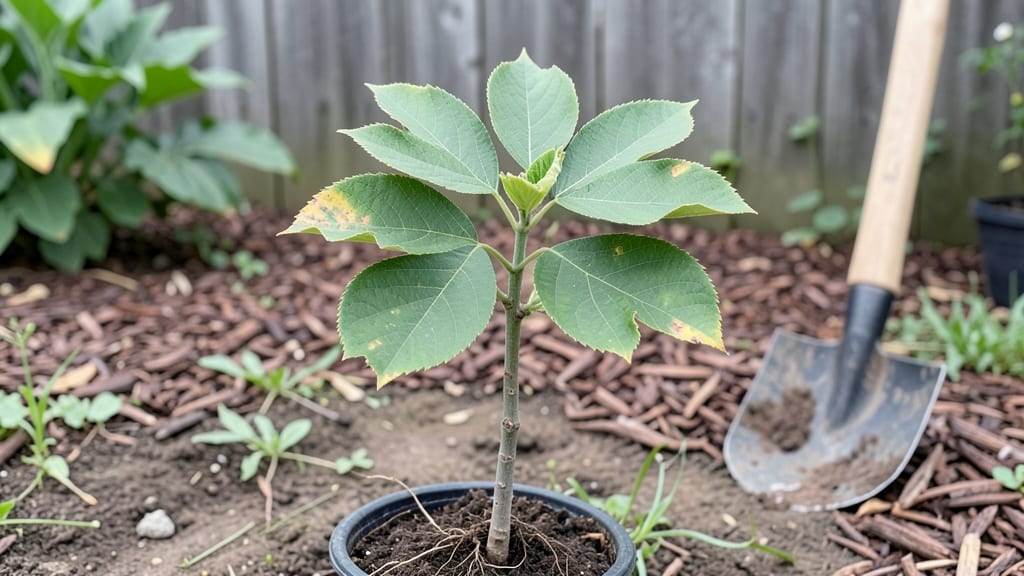
Planting a buckeye tree starts with the right timing and spot—late fall or early spring, where the soil drains well and sunlight reaches for at least 6 hours daily.
I’ve planted mine in both partial shade and full sun, but the glossy leaves and sturdy branches thrive best when they get their morning rays. The key isn’t just digging a hole; it’s mimicking the tree’s natural habitat with loose, slightly acidic soil that lets roots spread without fighting compaction.
You’ll need a hole twice as wide as the root ball but no deeper—buckeyes hate sitting too low, which invites rot. Mix in a handful of compost or well-rotted leaves to give those early roots a nutrient boost, especially if your soil leans heavy or clay-like.
Water deeply before planting to settle the soil, then place the tree so the top of the root ball sits 1-2 inches above ground level—this prevents water from pooling around the trunk and causing rot.
After planting, water again until the soil is moist 6 inches down, then mulch with 2-3 inches of wood chips to keep moisture in and weeds out. The first year is all about patience: water weekly during dry spells, but don’t drown it—buckeyes resent soggy roots.
In 3-5 years, you’ll see those iconic palmate leaves unfurling, and by year 10, the tree will be dropping its signature spiky seed pods, a sign it’s truly taken root.
Ohio buckeyes love cooler climates, while California buckeyes handle heat better—know your species! Avoid planting near sidewalks or driveways; these trees grow 30-50 feet tall and their roots spread wide.
The biggest mistake? Skipping the mulch or over-fertilizing. Let the tree focus on roots first, and it’ll reward you with decades of shade and wildlife-friendly foliage.
📚 In This Guide
- What you need
- Instructions
- Tips and common mistakes
- Wrapping up and next steps
What you need
- ● Buckeye seeds: 1–3 fresh, healthy seeds (preferably from a mature tree). Pro tip: 💡 Soak seeds in warm water for 24 hours to speed up germination!
- ● Well-draining potting mix: 1–2 gallons (for starting seeds indoors) or native soil (for direct planting). Mix in perlite or sand (1:4 ratio) for better aeration.
- ● Planting containers: 4–6-inch pots (if starting indoors) or a prepared garden bed (if planting directly).
- ● Garden trowel or shovel: For digging holes (if planting outdoors).
- ● Watering can or hose: With a gentle spray nozzle for hydration.
- ○ Mulch (optional but recommended): 2–3 inches of organic mulch (e.g., wood chips) to retain moisture.
- ● Seed-starting tray with clear lid (for indoor germination).
- ● Grow lights or sunny windowsill (if starting seeds early).
- ● Fertilizer (low-nitrogen, like 5-10-5, for young trees).
- ● Tree stakes (if planting in windy areas).
- ● Soil pH test kit (buckeyes prefer slightly acidic to neutral soil, pH 6.0–7.0).
Step-by-step instructions for planting a buckeye tree
Here's the straightforward method I use to get buckeye trees thriving in any yard.
Choose the Perfect Planting Spot
Buckeye trees need full sun—at least 6-8 hours of direct sunlight daily—to grow strong and produce those iconic seed pods. Look for a spot with well-draining soil, protected from strong winds but still open enough to avoid crowding. I always test the soil by digging a 12-inch deep hole—if water pools instead of draining within an hour, amend with 2-3 inches of compost or plant on a slight mound to improve drainage.
The tree’s mature size matters too. Buckeyes can reach 30-40 feet tall, so give it 30-50 feet of space from structures, power lines, or other trees. If you’re planting near a sidewalk or driveway, aim for at least 15 feet away to avoid root damage later. I mark the spot with stakes before digging to ensure I’m centered.
Dig the Right-Sized Hole
Dig a hole twice as wide as the root ball but no deeper than the container’s depth. Buckeyes resent being planted too deep, which can suffocate the roots. If your tree comes in a 5-gallon container, the hole should be 10-12 inches wide and 12-15 inches deep. Use a shovel to loosen the sides of the hole so roots can spread easily into the surrounding soil.
Remove the tree from its container carefully, tapping the sides if needed to loosen compacted roots. If roots are circling tightly (a common issue with container-grown trees), gently tease them apart with your fingers. This step ensures the tree establishes itself faster and avoids future stress. Place the tree in the hole so the top of the root ball sits 1-2 inches above ground level—this prevents water from pooling at the base.
Backfill and Water Thoroughly
Fill the hole halfway with native soil, pressing lightly to remove air pockets. Mix in a 5-gallon bucket of compost into the backfill soil to give the tree a nutrient boost as it settles in. I like to use my hands to break up clumps and ensure even distribution. Once the hole is two-thirds full, water deeply to help the soil settle around the roots.
Finish filling the hole, mounding soil slightly at the base to encourage water runoff. Water again until the soil is 6 inches deep and thoroughly moistened. This step is critical—buckeyes are drought-tolerant once established, but they need consistent moisture for the first 6-12 months to develop strong roots. Mulch the area with 2-3 inches of organic mulch, keeping it 6 inches away from the trunk to prevent rot.
Stake and Protect the Young Tree
If your buckeye is under 6 feet tall, use two stakes placed 6-8 inches from the trunk on opposite sides. Tie the trunk loosely to the stakes with soft tree ties (never wire or anything that can cut into the bark). The goal is to provide support without restricting growth. I check the ties every 3-4 weeks to ensure they’re not digging into the trunk as it thickens.
Protect the tree from wildlife and pests by wrapping the trunk with tree guard (available at garden centers) for the first year. Deer and rabbits love young buckeyes, and even a single browse can stunt growth. Water deeply once a week during the first growing season, adjusting for rain—soil should stay evenly moist but not soggy. You’ll know you’re doing it right when new leaves emerge within 4-6 weeks of planting.
Monitor and Maintain for Long-Term Health
Buckeyes are low-maintenance once established, but the first few years are key. Fertilize lightly in early spring with a balanced, slow-release fertilizer (like 10-10-10) to encourage strong root and canopy growth. Avoid heavy fertilization—they’re not heavy feeders and can burn roots if overdone. Prune only to remove dead, diseased, or crossing branches in late winter or early spring, before new growth begins.
Watch for signs of stress: yellowing leaves can mean overwatering or poor drainage, while dry, crispy edges signal underwatering or too much sun. If you notice leaves wilting in hot afternoons, water deeply in the early morning to give roots time to absorb moisture before the heat peaks. With proper care, your buckeye will reward you with sturdy growth and those signature seed pods within 5-10 years.
Tips & tricks for planting a buckeye tree
These simple yet game-changing tips will help your buckeye grow strong and healthy from day one.
Soil Test First: Before planting, grab a handful of soil from your chosen spot and squeeze it tightly. If it stays clumped together when you release it, you've got heavy clay soil that won't drain properly. In this case, mix in that 2-3 inches of compost from Step 1 all the way through the planting hole—not just at the bottom. This creates ideal drainage for those first critical months when roots are establishing themselves.
Root Ball Prep: When you remove your buckeye from its container, give the root ball a good soak in a bucket of water for about 10-15 minutes before planting. This helps prevent transplant shock by keeping roots hydrated during the transition. I also like to trim any circling roots with clean pruners—just make a few shallow cuts to encourage outward growth rather than trying to completely untangle them.
Watering Wisdom: After your initial deep watering in Step 3, set up a simple watering schedule: give your young buckeye about 1-2 gallons of water weekly during its first year. The key is consistency—better to water deeply once a week than give it a little every day. In hot summer months, you might need to increase to twice weekly, but always check the top 2 inches of soil first. If it's dry, water; if it's still moist, wait.
Mulch Matters: That 2-3 inches of organic mulch you add in Step 3 serves two important purposes: it regulates soil temperature and prevents weeds. But here's the trick: refresh that mulch layer every spring, spreading it out to maintain the 6-inch clearance from the trunk. As mulch breaks down, it creates a nutrient-rich layer that helps your buckeye's roots access what they need without competing with weeds.
Pro Tips for Planting A Buckeye
- These simple yet game-changing tips will help your buckeye grow strong and healthy from day one.
- Soil Test First: Before planting, grab a handful of soil from your chosen spot and squeeze it tightly.
- Root Ball Prep: When you remove your buckeye from its container, give the root ball a good soak in a bucket of water for about 10-15 minutes before planting.
Frequently asked questions
Got questions about planting a buckeye tree?
You’re not alone! Whether you’re a first-time gardener or a seasoned landscaper, buckeyes can be tricky. Here are answers to the most common queries to help you grow a healthy tree with confidence.
When is the best time to plant a buckeye tree?
Plant buckeye trees in early spring or fall when temperatures are mild (50–70°F). Avoid extreme heat or frost, as young roots are sensitive. Spring planting gives roots time to establish before summer droughts, while fall allows them to settle before winter dormancy.
How deep and wide should I plant the root ball?
The hole should be twice as wide as the root ball but only as deep. Place the tree so the top of the root ball sits 1–2 inches above ground level—this prevents rot while allowing roots to expand. Backfill with native soil (no amendments) and water thoroughly to eliminate air pockets.
Why isn’t my buckeye tree growing after planting?
Slow growth often stems from poor drainage, compacted soil, or overwatering. Buckeyes thrive in well-draining, slightly acidic soil (pH 6.0–7.0). If soil is heavy clay, amend with compost before planting. Also, ensure it gets full sun (6+ hours daily)—shady spots stunt growth.
Can I grow a buckeye from seed, or should I buy a sapling?
While buckeyes can grow from seeds (they’re slow germinators, taking 1–3 months), saplings are faster and more reliable. Seeds require stratification (cold treatment) for germination. For quicker results, opt for a 1–2-year-old nursery-grown buckeye—just ensure it’s disease-free and properly hardened off.
Are buckeye trees toxic to pets or wildlife?
Yes! All parts of the buckeye tree—leaves, nuts, and bark—contain toxic compounds (e.g., aesculin) that can cause vomiting, diarrhea, or neurological issues in pets and livestock. Keep trees away from play areas, and never feed the nuts to animals. Wear gloves when handling seeds or pruning.
How often should I fertilize a young buckeye tree?
Skip fertilizer the first year to avoid root burn. In years 2–3, apply a balanced, slow-release fertilizer (10-10-10) in early spring. Over-fertilizing harms buckeyes—stick to light applications (follow label rates) and focus on mulching (2–3 inches of organic mulch) to retain moisture.
Wrapping up and next steps
Planting a buckeye tree is a rewarding journey that connects you to nature’s beauty and resilience. 🌱 Whether you’re drawn to its striking foliage, symbolic meaning, or ecological benefits, following these foolproof steps ensures your tree thrives for years to come.
Now that you’re equipped with the right knowledge, take the next step—mark your calendar, gather your tools, and prepare your planting site. Your buckeye’s future starts with one small, mighty seed!